A practical feed-formulation framework covering strain, age, ingredient analysis, weighing accuracy, uniformity and actual cost without guaranteed savings.
Published feed tables are educational examples, not fixed formulas. A nutritionist should use strain and age requirements plus current ingredient analysis, then verify weighing, mixing uniformity and flock performance.
Why On-Farm Feed Formulation Makes Commercial Sense in the UAE
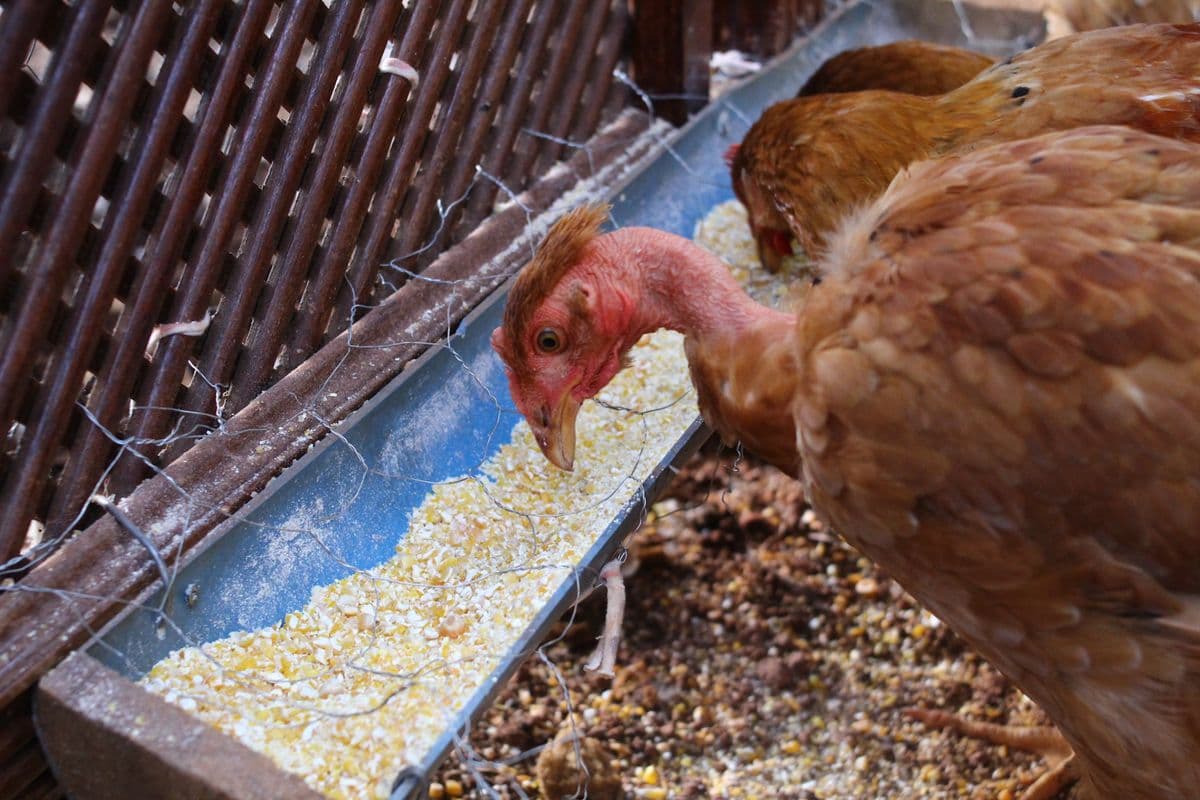
Feed represents 65 to 75 percent of total poultry production costs. In the UAE, where commercial broiler pellets retail at AED 1.80–2.20 per kilogram and layer mash runs AED 1.60–1.90 per kilogram, a flock of 5,000 birds consuming 150 tonnes of feed annually carries an annual feed bill of AED 270,000–330,000. By sourcing raw ingredients — corn, soybean meal, wheat bran, fishmeal, limestone, and a vitamin-mineral premix — and mixing on farm, the same nutritional profile costs AED 1.05–1.30 per kilogram, cutting that bill to AED 157,500–195,000. That is a verified saving of 35 to 45 percent, money that flows directly to your bottom line.
Ras Al Khaimah's growing agri-food sector and the emirate's strategic port access make ingredient procurement straightforward. Dubai's Jebel Ali Port handles bulk corn and soybean meal imports continuously, and several UAE-based commodity traders stock these raw materials in 25-kilogram and 50-kilogram bags for small farms, or in bulk tonnes for larger operations. Mazraty's feed production line equipment — available now in Ras Al Khaimah — makes the transition from buying ready-mixed feed to on-farm production achievable within days of installation.
Protein Requirements by Bird Type: The Foundation of Every Formula
Getting protein levels right is the single most critical step in feed formulation. Excess protein is expensive and causes nitrogen pollution; deficient protein stunts growth and cuts egg production. The following targets are based on NRC guidelines adapted for UAE ambient temperatures, which elevate heat stress and reduce voluntary feed intake, making nutrient density more important than in temperate climates.
Broiler (Commercial Chicken for Meat)
- Starter phase (Day 1–10): 23% crude protein, 3,000 kcal/kg metabolisable energy (ME). This phase drives muscle fibre multiplication; skimping on protein here creates permanent structural deficits.
- Grower phase (Day 11–24): 20% crude protein, 3,100 kcal/kg ME. Growth rate is highest; energy density must rise to support rapid weight gain.
- Finisher phase (Day 25–slaughter): 18% crude protein, 3,200 kcal/kg ME. Fat deposition increases; lower protein prevents kidney overload.
Layer (Egg-Producing Hen)
- Pre-layer / pullet (Week 16–18): 16% crude protein, 2,750 kcal/kg ME.
- Peak production (Week 19–50): 17–18% crude protein, 2,800 kcal/kg ME. Calcium rises to 3.5–4.0% to support shell formation.
- Late production (Week 51+): 16% crude protein; calcium maintained at 4.0%.
Quail (Japanese Quail — Coturnix japonica)
- Starter (Day 1–21): 24–26% crude protein — quail chicks are metabolically intense.
- Grower / layer: 20–22% crude protein, 2,900 kcal/kg ME.
Pigeon (Racing and Utility)
- Breeding season: 18% crude protein, 3,000 kcal/kg ME.
- Maintenance: 14–15% crude protein; whole grain mixtures can substitute for mash.
Rabbit
- Grower: 16–18% crude protein, 2,500 kcal/kg DE (digestible energy). Fibre is critical — minimum 14% crude fibre prevents enteritis.
- Lactating doe: 18% crude protein, 2,700 kcal/kg DE.
The Six Core Ingredients Available in UAE Markets
Successful on-farm formulation depends on a reliable, affordable ingredient supply chain. The following six ingredients cover 95 percent of any poultry formula and are all procurable through UAE commodity traders or animal feed suppliers in Dubai, Sharjah, and Ras Al Khaimah.
| Ingredient |
Crude Protein % |
ME (kcal/kg) |
Approx. UAE Price (AED/tonne) |
Primary Role |
| Yellow Corn |
8–9% |
3,300 |
950–1,150 |
Energy base (fills 50–65% of formula) |
| Soybean Meal (48% CP) |
48% |
2,230 |
2,200–2,600 |
Primary protein; balanced amino acid profile |
| Wheat Bran |
15–16% |
1,600 |
600–800 |
Fibre; dilutes formula cost |
| Fishmeal (65% CP) |
65% |
2,800 |
4,800–5,500 |
Lysine, methionine boost; use sparingly (3–5%) |
| Limestone (Calcium Carbonate) |
0% |
0 |
300–450 |
Calcium for eggshell and bone |
| Vitamin-Mineral Premix |
Variable |
Variable |
6,000–9,000 |
Vitamins A, D3, E, B complex; trace minerals; used at 0.25–0.5% |
Sourcing tip for UAE operators: Bulk corn and soybean meal are most competitively priced through commodity importers based in Jebel Ali Free Zone. Several traders in the Ras Al Khaimah industrial area also stock these ingredients. Purchasing 5-tonne lots versus 25-kilogram bags can reduce per-tonne cost by 18–25 percent.
Least-Cost Formulation: The Logic Behind the Numbers
Least-cost formulation (LCF) is the process of meeting all nutritional constraints — minimum protein, minimum energy, minimum calcium, maximum fibre — at the lowest possible ingredient cost. It is mathematically solved using linear programming, but you can approximate it manually using the Pearson Square method for two-ingredient protein balancing, then adjusting with a spreadsheet.
The key principle: never pay for protein you don't need, and never skimp on protein you do need. In the UAE, where soybean meal at AED 2,400/tonne is roughly 2.5 times the cost of corn at AED 1,000/tonne, every percentage point of crude protein above target costs approximately AED 18–22 per tonne of finished feed. On a 150-tonne annual feed programme, hitting 21% CP when 20% is sufficient wastes AED 2,700–3,300 per year — a measurable loss that compounds across a flock's lifetime.
Sample Formulas: Mixing Ratios by Weight
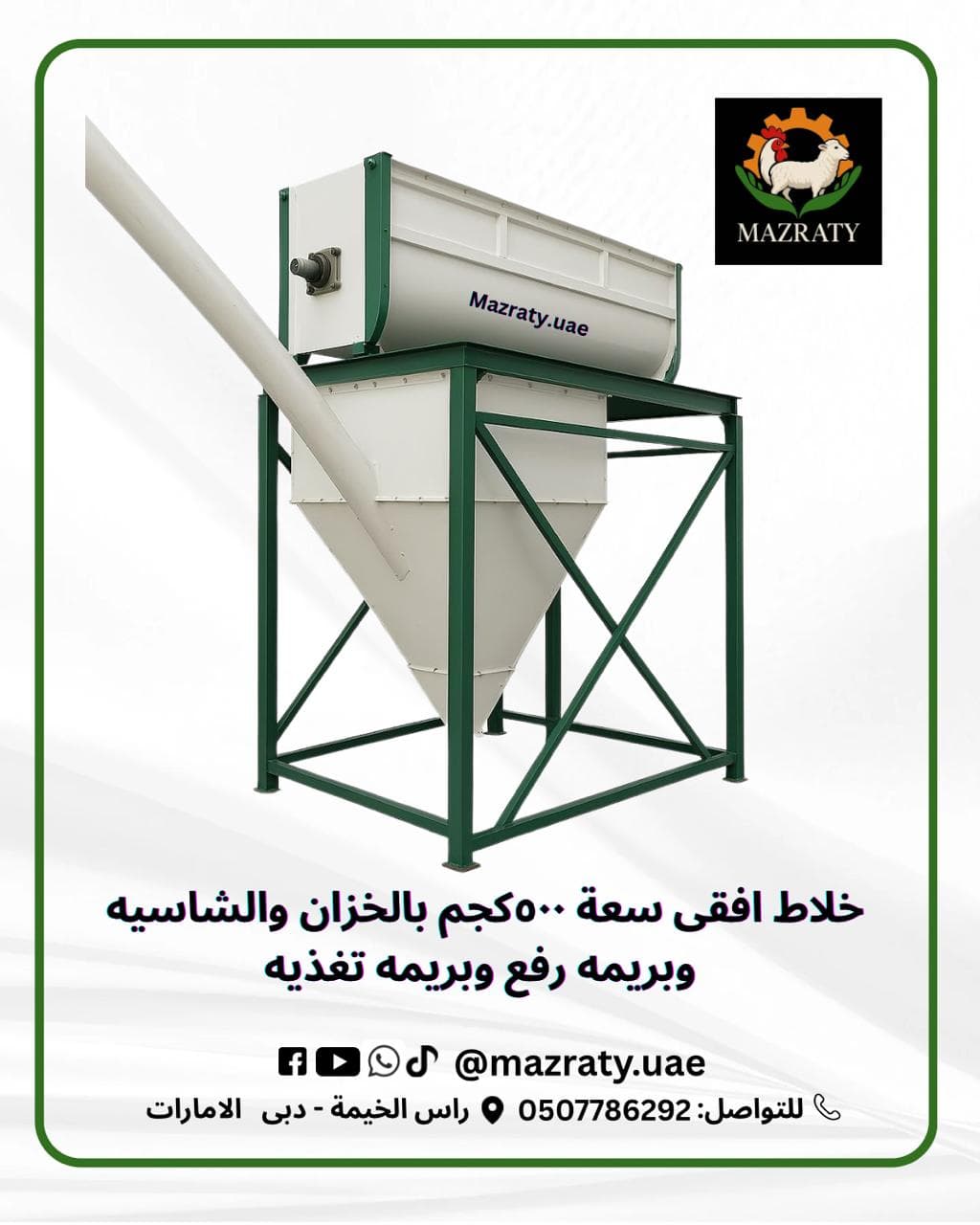
All formulas below are per 100 kg of finished feed. Mix by weight using a calibrated scale. Mazraty's ribbon mixers achieve homogeneity to within ±2% coefficient of variation in under 8 minutes per batch.
Broiler Starter (23% CP, 3,000 kcal/kg ME)
- Yellow corn: 53 kg
- Soybean meal (48% CP): 30 kg
- Wheat bran: 5 kg
- Fishmeal (65% CP): 5 kg
- Vegetable oil: 3 kg (boosts ME)
- Limestone: 1.5 kg
- Dicalcium phosphate: 1.5 kg
- Salt: 0.5 kg
- Vitamin-mineral premix: 0.5 kg
- DL-Methionine: 0.15 kg
- L-Lysine HCl: 0.1 kg
- Calculated CP: 23.1% | ME: 3,008 kcal/kg | Est. cost: AED 128/100 kg
Broiler Grower (20% CP, 3,100 kcal/kg ME)
- Yellow corn: 58 kg
- Soybean meal (48% CP): 25 kg
- Wheat bran: 6 kg
- Fishmeal (65% CP): 3 kg
- Vegetable oil: 4 kg
- Limestone: 1.5 kg
- Dicalcium phosphate: 1.5 kg
- Salt: 0.5 kg
- Vitamin-mineral premix: 0.5 kg
- Calculated CP: 20.2% | ME: 3,105 kcal/kg | Est. cost: AED 118/100 kg
Layer Peak Production (17.5% CP, 2,800 kcal/kg ME)
- Yellow corn: 58 kg
- Soybean meal (48% CP): 22 kg
- Wheat bran: 8 kg
- Fishmeal (65% CP): 2 kg
- Limestone: 7 kg (critical for shell quality)
- Dicalcium phosphate: 1.5 kg
- Salt: 0.5 kg
- Vitamin-mineral premix (with D3 for calcium absorption): 0.5 kg
- Methionine: 0.1 kg
- Calculated CP: 17.6% | Ca: 3.6% | Est. cost: AED 108/100 kg
Japanese Quail Layer (21% CP)
- Yellow corn: 50 kg
- Soybean meal (48% CP): 30 kg
- Wheat bran: 5 kg
- Fishmeal: 5 kg
- Limestone: 7 kg
- Dicalcium phosphate: 1.5 kg
- Salt: 0.4 kg
- Premix: 0.5 kg
- Methionine: 0.2 kg
- Lysine: 0.1 kg
- Calculated CP: 21.3% | Est. cost: AED 122/100 kg
Rabbit Grower (17% CP, 14% crude fibre)
- Wheat bran: 30 kg
- Alfalfa hay meal: 25 kg
- Yellow corn: 25 kg
- Soybean meal (48% CP): 14 kg
- Limestone: 2 kg
- Dicalcium phosphate: 2 kg
- Salt: 0.5 kg
- Premix: 0.5 kg
- Methionine: 0.1 kg
- Calculated CP: 17.2% | CF: 14.5% | Est. cost: AED 98/100 kg
Anti-Nutritional Factors: What to Avoid and Why
Several ingredients contain natural compounds that inhibit digestion or interfere with nutrient absorption. Awareness of these factors prevents costly feed conversion failures that are often misdiagnosed as disease.
- Trypsin inhibitors in raw soybean: Always use heat-processed soybean meal (urease activity below 0.05 units). Raw soybeans fed to poultry can reduce protein digestibility by 30–40%.
- Gossypol in cottonseed meal: Limit cottonseed meal to 5% in broiler diets and 3% in layer diets. Free gossypol above 100 mg/kg feed causes yolk discolouration and reduced fertility.
- Aflatoxin in corn and groundnut meal: In UAE summer storage conditions (ambient 40–48°C, relative humidity 60–80% during August–September in Ras Al Khaimah), corn moisture above 13.5% triggers rapid aflatoxin growth. Store corn below 13% moisture, use mycotoxin binders at 0.1% of diet, and test incoming corn lots.
- Phytate in cereal grains: Phytate binds phosphorus, zinc, and calcium. Adding phytase enzyme at 500 FTU/kg releases bound phosphorus, allowing a 30% reduction in dicalcium phosphate inclusion — a meaningful cost saving.
- High fibre in wheat bran: Cap wheat bran at 10% for broilers and 15% for layers. Beyond these levels, feed transit time decreases and nutrient absorption falls.
UAE Ingredient Storage: Managing Extreme Heat and Humidity
The UAE summer (June–September) is the biggest challenge for on-farm feed storage. Ras Al Khaimah regularly records afternoon temperatures of 44–47°C and humidity spikes above 80% during coastal sea breezes. Under these conditions, improperly stored ingredients degrade within days.
- Corn: Store at maximum 13% moisture in ventilated, shaded concrete bins. Inspect weekly for clumping (moisture ingress) and discolouration (mould). Maximum recommended storage: 8 weeks in summer, 16 weeks in winter.
- Soybean meal: Extremely hygroscopic. Store in sealed bags or covered bins. Do not store more than 4 weeks' supply in summer.
- Fishmeal: Store in cool, dry conditions away from direct sunlight. Rancidity accelerates at temperatures above 35°C. Use within 3 weeks of opening packaging.
- Premix: Store in original sealed packaging, below 25°C. Vitamins A, E, and C degrade rapidly at high temperatures. Refrigerated storage extends shelf life significantly.
- Finished mixed feed: Feed mash should be used within 5–7 days in summer. Pellets (produced by Mazraty's pellet press attachments) have better stability and can last 3–4 weeks when stored dry.
On-Farm Mixing vs. Ready-Mixed: The Real Cost Comparison
The following comparison is based on a 5,000-bird broiler operation in Ras Al Khaimah consuming approximately 30 tonnes of feed per production cycle (42 days).
| Cost Component |
Commercial Pellets (AED) |
On-Farm Mixed (AED) |
| Feed cost per tonne |
1,950 |
1,150 |
| Total feed cost per cycle (30 t) |
58,500 |
34,500 |
| Equipment depreciation per cycle (5-year, 6 cycles/year) |
0 |
1,200 |
| Labour (2 hrs/day × 42 days × AED 25/hr) |
0 |
2,100 |
| Electricity (hammer mill + mixer, 4 kW avg, 2 hrs/day) |
0 |
504 |
| Total cost per cycle |
58,500 |
38,304 |
| Saving per cycle |
AED 20,196 (34.5%) |
| Annual saving (6 cycles/year) |
AED 121,176 |
With Mazraty's entry-level hammer mill and ribbon mixer package priced at AED 22,000–28,000, the equipment pays for itself within one production cycle. At six cycles per year, the return on investment exceeds 430 percent annually.
Equipment You Need: Hammer Mill and Ribbon Mixer
Two machines cover the entire on-farm feed production process at capacities suitable for flocks of 500 to 50,000 birds.
Hammer Mill
The hammer mill grinds whole corn and other grains into a coarse-to-fine meal. Particle size matters: broilers perform best with 600–900 micron mean particle size; layers tolerate coarser grind (900–1,200 microns) which benefits gizzard development. Mazraty supplies hammer mills with output capacities of 300 kg/hour to 2,000 kg/hour, driven by 7.5 kW to 22 kW motors. The screen size determines particle size — 3 mm screens for broilers, 4–5 mm screens for layers and rabbits. A 500 kg/hour hammer mill running 2 hours daily produces 1 tonne of ground grain, sufficient for approximately 1,200 broilers per day.
Ribbon Mixer
The ribbon mixer (also called a horizontal paddle mixer) combines ground ingredients with precision. Key specifications: the mixing ratio should not exceed 80 percent of the nominal capacity for uniform blending. A 500-litre ribbon mixer handles batches of 200–250 kg, mixing to a coefficient of variation below 5 percent in 6–8 minutes. Mazraty's ribbon mixers include a liquid addition port for vitamin solutions and oil supplementation, stainless steel contact surfaces, and a bottom discharge gate for direct filling into feed hoppers or bags.
Optional: Pellet Press
For operations that prefer pellets over mash — which reduces feed wastage by 8–12 percent and improves hygiene — Mazraty also supplies ring die pellet presses sized from 150 kg/hour to 1,000 kg/hour. Pelleting at 70–80°C also destroys pathogens and deactivates most anti-nutritional factors in the feed, adding a biosecurity benefit alongside the convenience benefit.
Quality Control: Testing Your Mix Before It Reaches the Flock
Simple on-farm quality checks prevent costly nutritional mistakes:
- Visual uniformity check: Scoop samples from three points in the mixer (top, middle, discharge end). The colour should be visually consistent across samples. Streaks of unmixed white (limestone) or dark brown (fishmeal) indicate insufficient mixing time.
- Moisture test: Finished mash above 14% moisture will cake and spoil. Use a portable grain moisture meter — widely available in UAE agricultural supply shops for AED 150–300 — to verify every batch before storage.
- Feed conversion monitoring: Track weekly feed intake and weight gain. If FCR (feed conversion ratio) deteriorates by more than 0.1 units from baseline without a disease explanation, suspect a formulation or ingredient quality issue. Broiler FCR should be 1.6–1.9 on a well-formulated diet; layers should consume 115–120 grams per day for 90%+ egg production rates.
- Periodic laboratory analysis: Send a 500-gram sample to a certified feed analysis laboratory every 3–4 months. The Dubai Central Laboratory and RAK Agriculture Authority both offer crude protein, moisture, and crude fibre analysis at reasonable cost. This investment catches systematic formulation errors before they affect an entire flock.
Scaling Up: From Manual Mixing to a Complete Feed Mill Line
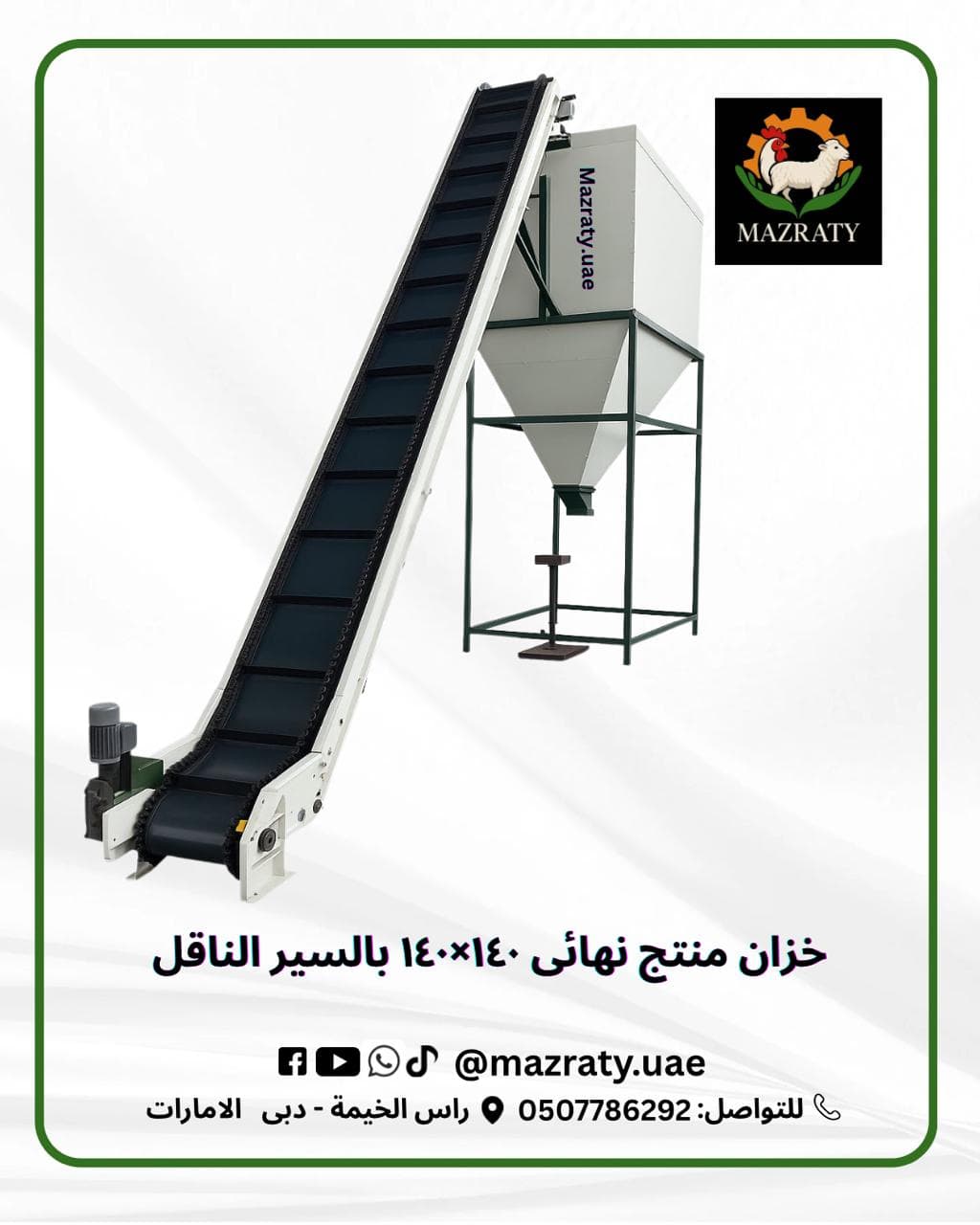
The on-farm progression typically follows three stages: (1) manual batching with a rented mixer for operations below 500 birds; (2) a dedicated hammer mill plus ribbon mixer for flocks of 500–10,000 birds; (3) a complete mini feed mill with automated batching, ingredient hoppers, pneumatic conveying, and a pellet press for operations above 10,000 birds or those producing feed commercially for neighbouring farms.
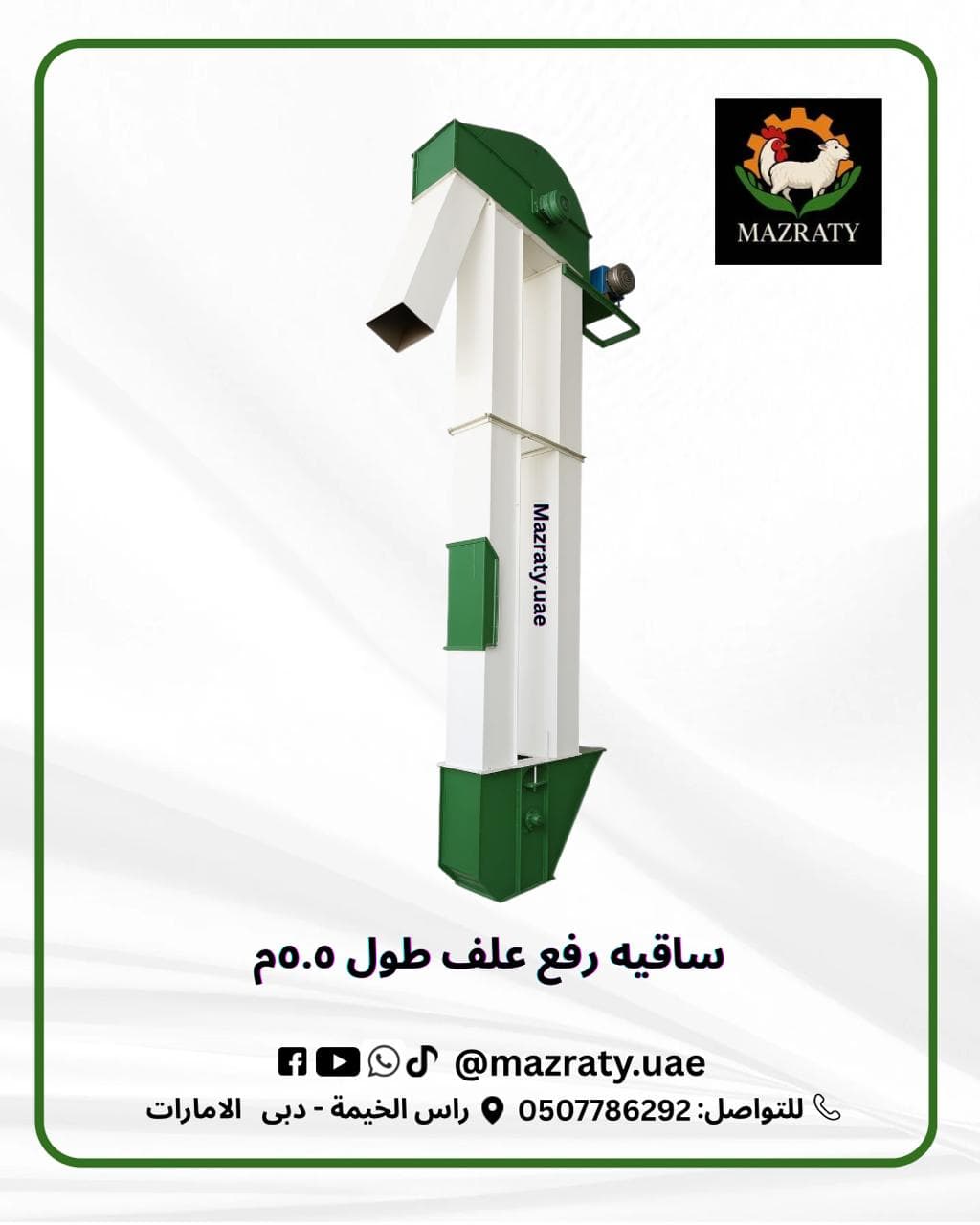
Mazraty designs and supplies complete mini feed mill lines in Ras Al Khaimah, from single machines to turnkey installations with automation controls. Our engineering team surveys your available space, your target daily output, and your ingredient delivery logistics before recommending a configuration. We also provide installation, commissioning, operator training, and ongoing spare-parts support — all from our base in Ras Al Khaimah, meaning fast response times and no international shipping delays for critical components.
Take Control of Your Feed Costs Today with Mazraty
Every day you spend buying commercial feed at AED 1.80–2.20 per kilogram is a day you are paying a third-party margin that your operation doesn't need to absorb. The ingredients, the formulas, and the equipment to mix your own feed are all available right now. A 5,000-bird broiler farm that switches to on-farm mixing with Mazraty's hammer mill and ribbon mixer will recover the equipment cost within a single 42-day cycle and save over AED 120,000 per year thereafter. Quail and pigeon breeders, rabbit producers, and layer farms all see proportional savings. Contact Mazraty today on WhatsApp at +971 50 535 3412 to discuss which feed mill configuration suits your flock size, your available space, and your budget. Our team in Ras Al Khaimah is ready to help you cut feed costs by 40 percent — starting this production cycle.
Reviewed planning sources
These references support operating and welfare principles. Final design and health programs remain site-, strain-, authority- and veterinarian-specific.
Frequently Asked Questions
Can a published feed formula be copied directly?
No. Requirements vary by strain, age and ingredient analysis; a poultry nutritionist should approve the final formula.
How should formula cost be compared?
Include losses, grinding, mixing and energy, then compare flock performance and feed conversion rather than ingredients alone.