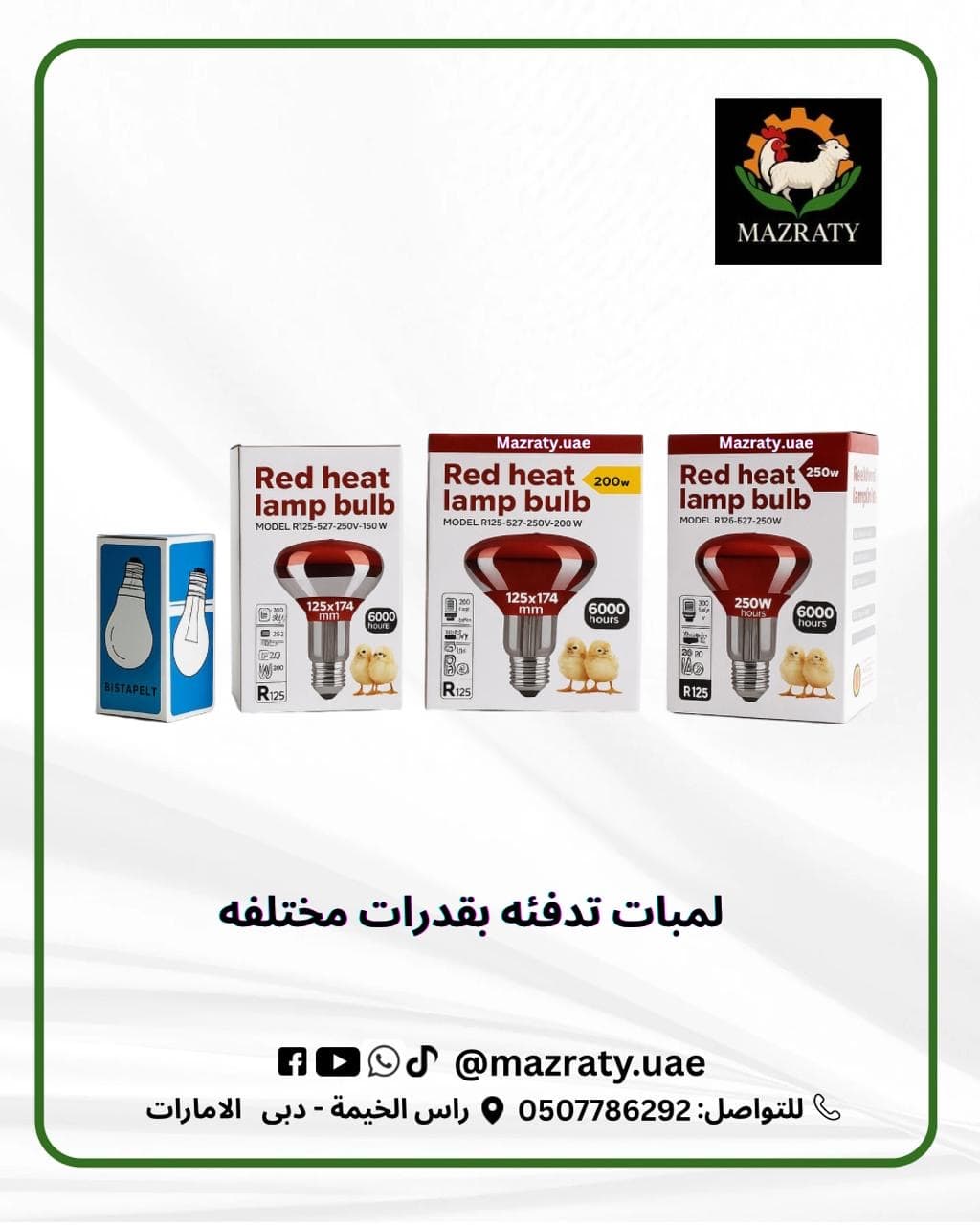
Use breed temperature targets with bird age, behaviour, humidity and air speed, while balancing heating with minimum ventilation.
A winter temperature table is a starting point, not a universal setting. Strain, age, humidity, air speed and floor temperature must be checked against bird behaviour at flock level.
Why UAE Poultry Farmers Cannot Ignore Winter Heating
The UAE's reputation as a hot, arid country lulls many poultry farm managers into under-investing in heating infrastructure. That complacency is costly. Inland regions — Al Ain, Dhaid, Madam, the Fujairah mountain foothills, and parts of Ras Al Khaimah's interior — regularly see overnight temperatures of 5–12°C in December and January, with the UAE Meteorological Centre recording near-frost conditions in Al Ain during exceptional years. Even coastal areas can drop to 14–18°C at 3 AM in February, cold enough to stress day-old chicks whose thermoregulatory systems are completely non-functional for the first ten days of life.
The financial consequences are direct and measurable. A broiler chick requires an ambient temperature of 33–35°C during its first week. When that environment drops to 20°C — which is not an extreme scenario in an unheated inland house — mortality rates for day-old chicks can exceed 12–18% within 48 hours. Among survivors, cold stress triggers a hormonal cascade that suppresses immune function, increases cortisol, reduces feed intake, and elevates the feed conversion ratio (FCR). Farmers who should achieve a FCR of 1.65–1.75 on quality genetics often record 1.95–2.15 in under-heated houses during winter flocks — a difference of 300–500 grams of extra feed per kilogram of meat that directly erodes margin.
Mazraty's field technicians have assessed dozens of poultry operations across Ras Al Khaimah, Al Ain, and Fujairah where a proper LP gas heating investment would have paid for itself within a single winter production cycle. This guide provides the technical framework to make that investment correctly.
UAE Winter Risk Calendar: December Through February
Not all winter weeks carry equal risk. Understanding the risk distribution helps farm managers plan fuel procurement, equipment maintenance windows, and staffing. Based on UAE Meteorological Authority data and Mazraty's field experience:
| Month |
Inland Low (°C) |
Coastal Low (°C) |
Risk Level |
Primary Threat |
| November |
13–18 |
18–22 |
Low–Medium |
Day-old chick draft stress |
| December |
8–15 |
14–19 |
High |
Full-house heat loss, chick mortality |
| January |
5–12 |
12–17 |
Critical |
Overnight freeze stress, CO₂ buildup from closed ventilation |
| February |
7–14 |
14–20 |
High |
Cold rain events, sudden temperature swings |
| March |
12–20 |
18–24 |
Low |
Early morning chill during transition weeks |
January is the single most dangerous month, combining the lowest overnight temperatures with the highest probability of farm managers having reduced ventilation to conserve heat — inadvertently allowing ammonia and CO₂ to accumulate to levels that damage respiratory epithelia and suppress immune response. Planning heating capacity around January peak demand guarantees adequate cover for the entire season.
Heat Demand Calculation for a Standard 12×100m Broiler House
Proper heater selection begins with a heat demand calculation. A standard UAE broiler house measuring 12 metres wide by 100 metres long (1,200 m²) with 3.5m sidewall height and conventional poly-fiber insulated panels presents the following heat loss profile under January inland conditions:
- Target internal temperature: 33°C (week 1 brooding set point)
- Worst-case outdoor temperature: 6°C (Al Ain January overnight)
- Temperature differential (ΔT): 27°C
- Wall and roof U-value (insulated panel): 0.45 W/m²·K
- Total envelope area: approximately 1,560 m² (roof + walls, excluding floor)
- Transmission heat loss: 0.45 × 1,560 × 27 = 18,954 W ≈ 19 kW
- Ventilation heat loss (minimum air exchange 0.5 ACH): approximately 8–12 kW depending on damper leakage
- Total design heat load: 27–32 kW (92,000–109,000 BTU/hr)
- Safety factor (20%): Installed capacity target 110,000–130,000 BTU/hr
This translates to approximately three to four LP gas radiant heaters rated at 30,000–40,000 BTU each, or two infrared tube heaters rated at 60,000 BTU each, arranged to provide even heat distribution across the brooding zone. For whole-house heating in weeks 2–5, the same installed capacity covers the expanded thermal zone as birds grow and heat demand per unit floor area decreases.
Mazraty's heating catalogue includes radiant disc brooders from 15,000 BTU up to 50,000 BTU, and infrared tube heaters from 40,000 to 120,000 BTU, allowing precise matching to your house dimensions and insulation specification. Contact Mazraty's technical team for a site-specific heat load calculation at no charge.
LP Gas Radiant Disc Brooders: Selection and Sizing
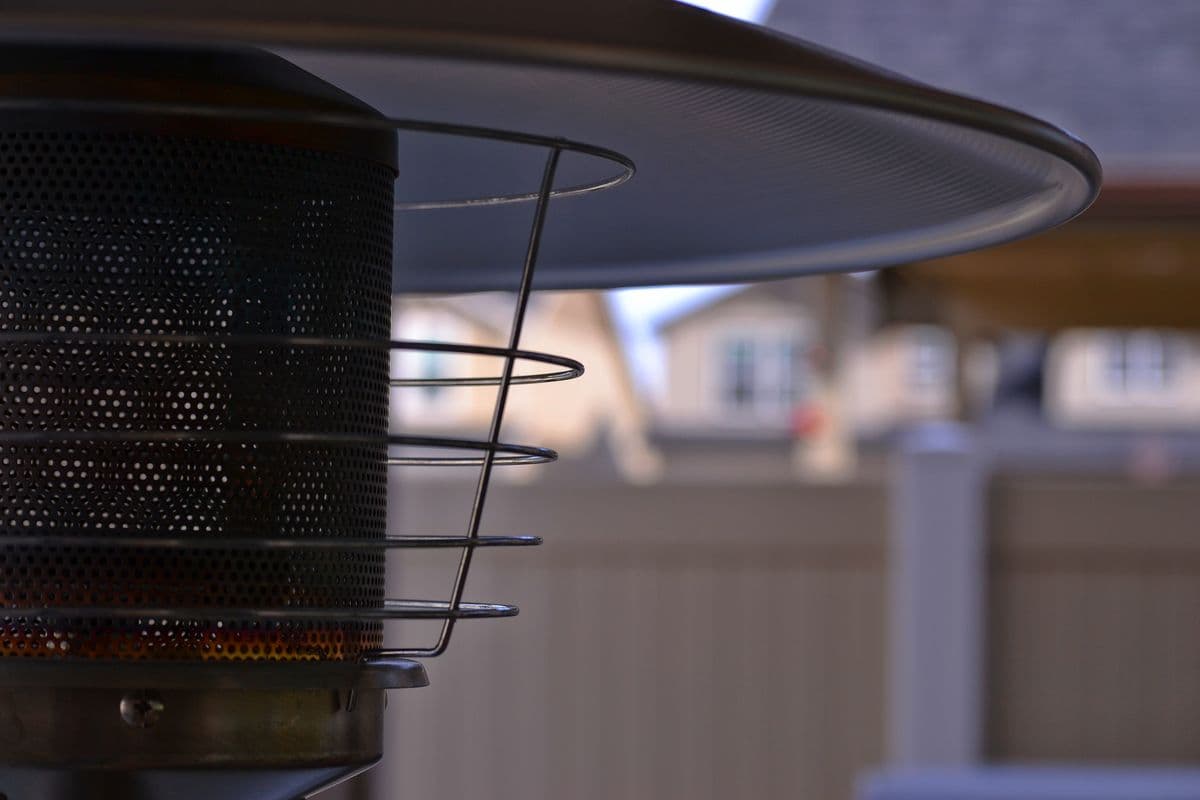
The LP gas radiant disc brooder remains the most widely used poultry heating device across the UAE for brooding operations, and for good reason: it is simple, reliable, requires no electricity to function (critical during power cuts), and delivers focused radiant warmth directly to the floor area where chicks cluster. Mazraty stocks brooder models suited to every flock density.
How Disc Brooders Work
LP gas flows through a pressure regulator to a ceramic or steel radiant disc. Combustion heats the disc surface to 750–900°C, which emits long-wave infrared radiation that warms the litter and chicks directly without heating all the air in between — the same principle as sunlight warming your skin on a cold but sunny day. This makes disc brooders 30–40% more fuel-efficient than convective gas heaters in high-ceiling houses where warm air would otherwise stratify above the bird zone.
Sizing Guidelines for UAE Flocks
- 15,000 BTU brooder: Covers approximately 250–350 day-old chicks on day 1
- 30,000 BTU brooder: Covers approximately 500–700 day-old chicks on day 1
- 50,000 BTU brooder: Covers approximately 800–1,100 day-old chicks on day 1
The practical rule for UAE winter conditions in inland areas: install one 30,000 BTU brooder per 500 chicks placed, then supplement with perimeter space heaters for ambient temperature maintenance once the brood ring is removed at day 7–10. Brooder height above the litter should start at 60 cm for day-olds and raise by 5 cm per week as the brooding area expands.
Infrared Tube Heaters: Whole-House and Supplement Heating
For larger houses or operations that want to maintain whole-house temperature uniformity throughout the grow-out period, infrared tube heaters mounted at 2.4–3.0 m height along the centre line of the house provide a superior solution to multiple individual brooders. Tube heaters use a stainless steel or ceramic radiant tube heated by a gas burner at one end; the heat radiates downward in a broad, even pattern across a 6–8 metre width.
Advantages Over Disc Brooders for Weeks 2–5
- Single installation covers the full house width with 2–3 tubes running the length of the building
- Lower gas consumption per unit floor area at grow-out densities (10–15 birds/m²)
- Compatible with tunnel ventilation systems — tube placement above the bird zone does not interfere with airflow
- Easily connected to thermostat controllers for automatic on/off cycling
- Mazraty 60,000 BTU tube heater covers approximately 100 linear metres of 12m house at a 2.0m mounting height
Installation Considerations in UAE Houses
UAE poultry houses are predominantly steel-frame with polystyrene sandwich panel cladding. Tube heaters must be mounted with minimum 1.0m clearance to combustible materials and vented through the sidewall or ridge with a stainless steel flue pipe rated for the gas type used. Mazraty supplies complete installation kits including mounting brackets, flue sections, and regulator hardware.
Floor Heating for Hatcheries and Brooder Pens
For hatchery rooms, small brooder pens housing specialty breeds, and setter/hatcher rooms where precise temperature uniformity is critical, electric underfloor heating mats or hot-water radiant floor systems provide the most consistent heat distribution. Floor heating eliminates the cold-spot risk at the edges of brooder rings and allows day-old chicks to be placed at uniform density across the entire pen from day one.
- Electric heating mats: 150–200 W/m², thermostatically controlled, ideal for pens up to 50 m²
- Hot-water floor coils: Requires a dedicated gas water heater (Mazraty stocks 50,000–100,000 BTU units), suitable for hatchery buildings over 100 m² where running cost per m² is a priority
- Minimum floor temperature for day-olds: 28–30°C litter surface temperature
- Verify with an infrared thermometer gun — ambient air sensors alone do not capture floor cold spots
Mazraty stocks digital infrared thermometers, floor temperature probes, and thermostat controllers compatible with both electric mat systems and gas water heaters to give farm managers complete control over hatchery microclimate.
Propane (LP Gas) vs Natural Gas: Cost Comparison for UAE Farms
Most UAE poultry farms in rural and semi-urban areas operate on LP (liquefied petroleum) gas delivered by cylinder or bulk tank. A limited number of larger operations near Abu Dhabi and Dubai industrial zones have access to piped natural gas. The cost comparison is as follows based on 2024–2025 UAE market prices:
| Fuel Type |
Energy Content |
Price per Unit |
Cost per kWh (Thermal) |
Notes |
| LP Gas (bulk tank delivery) |
12.8 kWh/kg |
AED 2.80–3.20/kg |
AED 0.22–0.25 |
Most common for rural UAE farms |
| LP Gas (cylinder, 49 kg) |
12.8 kWh/kg |
AED 3.50–4.00/kg |
AED 0.27–0.31 |
Higher cost; avoid for sustained heating |
| Natural Gas (piped, ADNOC/SEWA) |
10.6 kWh/m³ |
AED 0.29–0.38/m³ |
AED 0.027–0.036 |
10× cheaper but requires pipeline access |
For a 1,200 m² house requiring 30 kW average heating over 90 winter nights (8 hours/night), the total thermal energy demand is approximately 21,600 kWh. At bulk LP gas prices this costs approximately AED 5,000–5,400 per winter season — a figure that must be weighed against the value of chick mortality prevented and FCR improvement. Operations with natural gas access reduce this to under AED 800, making the investment case overwhelming. Mazraty advises farms considering bulk LP tank installation (1,000–4,000 litre tanks) on supplier contacts and regulator sizing.
Thermostat Placement and Automatic Zone Control
The most common heating mistake in UAE poultry houses is single-point thermostat placement near the main door or at a height convenient for humans (1.5 m). Broilers and day-old chicks live in the first 30 cm above the litter — and that micro-environment can be 4–8°C colder than the reading at shoulder height during cold nights. Correct thermostat placement requires:
- Sensor positioned at 20–25 cm above litter level, in the bird zone
- Located in the centre of the house, away from inlets, doors, and heaters
- Use of multiple sensors (minimum 3 for a 100m house) averaged to a control setpoint
- Separate setpoints for the brood zone (33°C week 1) and the cool zone at the house ends (26°C week 1)
Automatic Zone Control Systems
Mazraty supplies programmable environmental controllers that manage multiple heating zones independently. A two-zone setup — brood end and grow-out end — allows the brooder zone to maintain 33°C while the grow-out end runs at 26°C, reducing fuel consumption by 15–20% compared to a uniform whole-house setpoint. As the flock grows and the birds move to fill the house, zone setpoints step down automatically according to the age-based temperature programme entered by the farm manager.
Standby Heat Capacity for Power Cuts
UAE grid reliability is generally high, but rural poultry farms — particularly in inland Ras Al Khaimah and Al Fujairah — do experience power outages, especially during winter storms when wind-driven sand causes transmission line faults. A power cut during a January cold night in a house full of day-old chicks is a farm emergency. The solution is to ensure that all primary heating equipment operates without grid electricity.
LP gas radiant disc brooders with piezo ignition require no electricity. Infrared tube heaters with electronic ignition need a small 12V DC supply — which a dedicated UPS battery or a solar battery can provide for 8–10 hours. Mazraty recommends specifying battery-backed ignition circuits on all gas heaters at the time of installation, adding minimal cost but eliminating the single greatest winter mortality risk event: an undetected power cut at 2 AM in December.
Additionally, installing an independent LP gas standby heater (one per house, battery-ignited) that activates automatically when the primary system fails provides full redundancy. The standby unit should be sized to maintain at least 20°C house temperature — not the full brooding setpoint, but enough to prevent fatal cold stress while the manager is alerted and power is restored.
Ventilation Balance During Heating Mode
The single greatest technical challenge in winter poultry house management is balancing heat retention against the mandatory minimum ventilation required to control ammonia, CO₂, and moisture. Closing down ventilation to hold heat creates a toxic microclimate that damages respiratory tissue and predisposes the flock to Newcastle disease, infectious bronchitis, and chronic respiratory disease (CRD) — all of which are economically devastating in the UAE market.
Minimum Ventilation Standards During Heating
- CO₂ target: Below 2,500 ppm (human discomfort above 5,000 ppm; bird damage above 3,000 ppm sustained)
- Ammonia target: Below 20 ppm (irreversible ciliary damage above 50 ppm for 24 hours)
- Minimum air exchange rate: 0.3–0.5 air changes per hour during weeks 1–2, rising to 0.8 ACH by week 3
- Inlet temperature: Pre-heat incoming air by directing it across the ceiling before it descends to bird level
Practical Implementation in UAE Houses
Most UAE broiler houses use tunnel ventilation with manual side inlets. During heating mode, maintain tunnel fans at 10–15% minimum speed (fan inverter or timer cycling) and crack side inlets 5–8 cm at the windward end to allow a thin jet of air across the ceiling apex. This draws stale air from the bird zone up and out without creating cold drafts at litter level. Mazraty's ventilation controllers can be programmed with minimum fan-run timers that override the thermostat to guarantee minimum ventilation regardless of heating demand.
Transition Management: Brood Zone to Whole House
The most critical temperature management event in broiler production is the transition from the heated brood area to the full house at day 7–14. This is when chick mortality spikes in under-heated winter houses. The standard practice of using cardboard brood rings fails when house temperature outside the ring drops below 18°C, because chicks that press against the ring or escape are immediately cold-stressed.
The correct UAE winter transition protocol:
- Begin expanding the brood area at day 5–7 by moving heaters outward in stages rather than removing the ring at once
- Ensure whole-house temperature reaches at least 28°C before removing the ring entirely
- Maintain supplemental brooder heat in the new brood zone for 48 hours post-expansion
- Step down brood temperature by 0.5°C per day from day 5 onward rather than the common practice of 3°C weekly steps
- Litter temperature (measured with an infrared thermometer) must remain above 24°C during transition
Energy Efficiency Tips for UAE Poultry Heating
Fuel cost is the dominant variable operating expense during winter heating season. These measures, all within reach of UAE farm managers, reduce LP gas consumption by 25–40% without compromising bird welfare:
- Insulation audit before winter: Damaged panel joints, missing ridge seals, and deteriorated curtains can account for 30% of heat loss. Mazraty supplies polyurethane foam sealant and replacement curtain material.
- Brooder height optimisation: Lowering brooders 10 cm reduces radiant area and increases floor temperature — reduce height in the first 3 days of each flock before raising gradually.
- Night-time vs daytime setpoints: Set day temperature 1°C lower (32°C instead of 33°C) when solar gain through translucent ridge panels adds free heat. Use programmable controllers to automate the schedule.
- Reflective brooder hoods: Polished stainless-steel reflective hoods on disc brooders redirect upward radiation back to the floor — a simple retrofit that increases effective heat output by 12–18%.
- Bulk LP gas vs cylinders: A 2,000-litre bulk tank at AED 2.85/kg versus 49 kg cylinders at AED 3.80/kg saves approximately AED 1,500 per winter season on a 1,200 m² house — the tank pays for itself in 2–3 seasons.
- Annual heater servicing: Clogged burner jets and worn thermocouple sensors reduce efficiency by 15–25%. Mazraty's service team offers pre-winter inspection contracts across Ras Al Khaimah, Sharjah, and Fujairah.
Mazraty's Complete Poultry Heating Solutions
Mazraty — مزرعتي — is the UAE's trusted farm equipment supplier, serving poultry producers across Ras Al Khaimah, Fujairah, Al Ain, Sharjah, and beyond. Our heating product range covers every requirement from small backyard flock brooders to large-scale industrial grow-out houses:
- LP Gas Radiant Disc Brooders: 15,000 / 30,000 / 50,000 BTU, with adjustable reflector hoods and piezo ignition
- Infrared Tube Heaters: 40,000 / 60,000 / 80,000 / 120,000 BTU, stainless radiant tube, battery-ignition compatible
- Floor Heating Mats: 150 W/m² electric mats for hatchery and brooder pen applications
- Multi-Zone Environmental Controllers: Programmable thermostat systems managing up to 8 heater zones with minimum ventilation override
- Bulk LP Gas Regulators and Tank Fittings
- Infrared Thermometer Guns and Data Loggers for heat mapping your house
- Pre-Winter Service Contracts: Burner cleaning, thermocouple replacement, gas pressure testing
Don't wait for the first cold night of December to discover your heating system isn't ready. Contact Mazraty now for a free heat load assessment for your house, personalised equipment recommendations, and fast delivery across the UAE. Call or WhatsApp our team directly at +971 50 535 3412 — our agricultural specialists speak Arabic and English and are ready to help you protect your flock and your investment through every cold spell the UAE winter brings.
Reviewed planning sources
These references support operating and welfare principles. Final design and health programs remain site-, strain-, authority- and veterinarian-specific.
Frequently Asked Questions
Is one temperature table valid for all poultry?
No. Targets vary by strain, age, humidity and air speed; follow the flock guide and observe birds at floor level.
How should heating and ventilation be balanced?
Maintain minimum ventilation to remove moisture and gases while avoiding drafts and local hot spots.