Every summer across the UAE, poultry farms face sudden, catastrophic heat events that can wipe out an entire flock within hours. In a country where July temperatures routinely exceed 45°C outdoors and house interiors can spike above 40°C without warning, the difference between a manageable loss and a total disaster is measured in minutes — not hours. This guide equips farm managers, supervisors, and workers with the knowledge to recognize the four stages of heat stress in poultry before they become irreversible, to execute a structured 10-minute emergency response that activates every cooling resource on site, and to follow through with recovery nutrition, flock assessment, and insurance documentation. Whether you manage a 10,000-bird broiler house in Ras Al Khaimah or a 50,000-bird layer operation in Al Ain, the protocols here apply directly to UAE conditions. Equipment from Mazraty — including emergency portable fans, misting units, and electrolyte supplements — can be on your farm within hours. Act now before the heat does.
Heat stress in poultry is not a binary state — it progresses through four distinct stages, each with visible behavioral signs and measurable production impacts. Recognizing the stage you are in determines which response protocol you activate.
Stage 1 — Mild Heat Stress (House Temperature 30–33°C)
At this range, birds are uncomfortable but not yet in danger. Behavioral signs include wing spreading away from the body (a thermoregulatory behavior to expose skin surface), a 20–30% increase in panting frequency, and a measurable rise in water intake — typically 30% above baseline. Feed intake begins to decline slightly in the afternoon hours. Egg production in layers remains broadly normal, though shell quality may soften marginally.
Action at Stage 1: This is not yet an emergency, but it is a warning. Verify that your evaporative cooling pads are running at full capacity, check that all fans are operating at their controller-set speed, and confirm water line pressure is adequate to supply the increased drinking demand. If house temperature is climbing and you are not yet at Stage 1, this is the moment to pre-cool.
Stage 2 — Moderate Heat Stress (House Temperature 33–37°C)
This range marks the transition into a production crisis. Birds begin crowding around drinkers and staying stationary rather than moving through the house. Feed intake drops 20–30%, which in broilers translates directly to reduced daily weight gain. Respiratory distress becomes visible: birds open their beaks and pant rapidly even while resting. Egg production in layers declines 5–10% and shell quality deteriorates noticeably. Water consumption spikes to 50–70% above baseline.
Action at Stage 2: Increase ventilation to maximum, verify evaporative cooling efficiency, and begin adding electrolytes to water. If house temperature continues to rise despite cooling systems running at maximum, consider this a pre-emergency and prepare for Stage 3 intervention. At this stage, a 500 m² broiler house should be consuming approximately 2,000–2,500 liters of water per day for a 20,000-bird flock — verify that your header tank and supply line can sustain that rate.
Stage 3 — Severe Heat Stress (House Temperature 37–40°C)
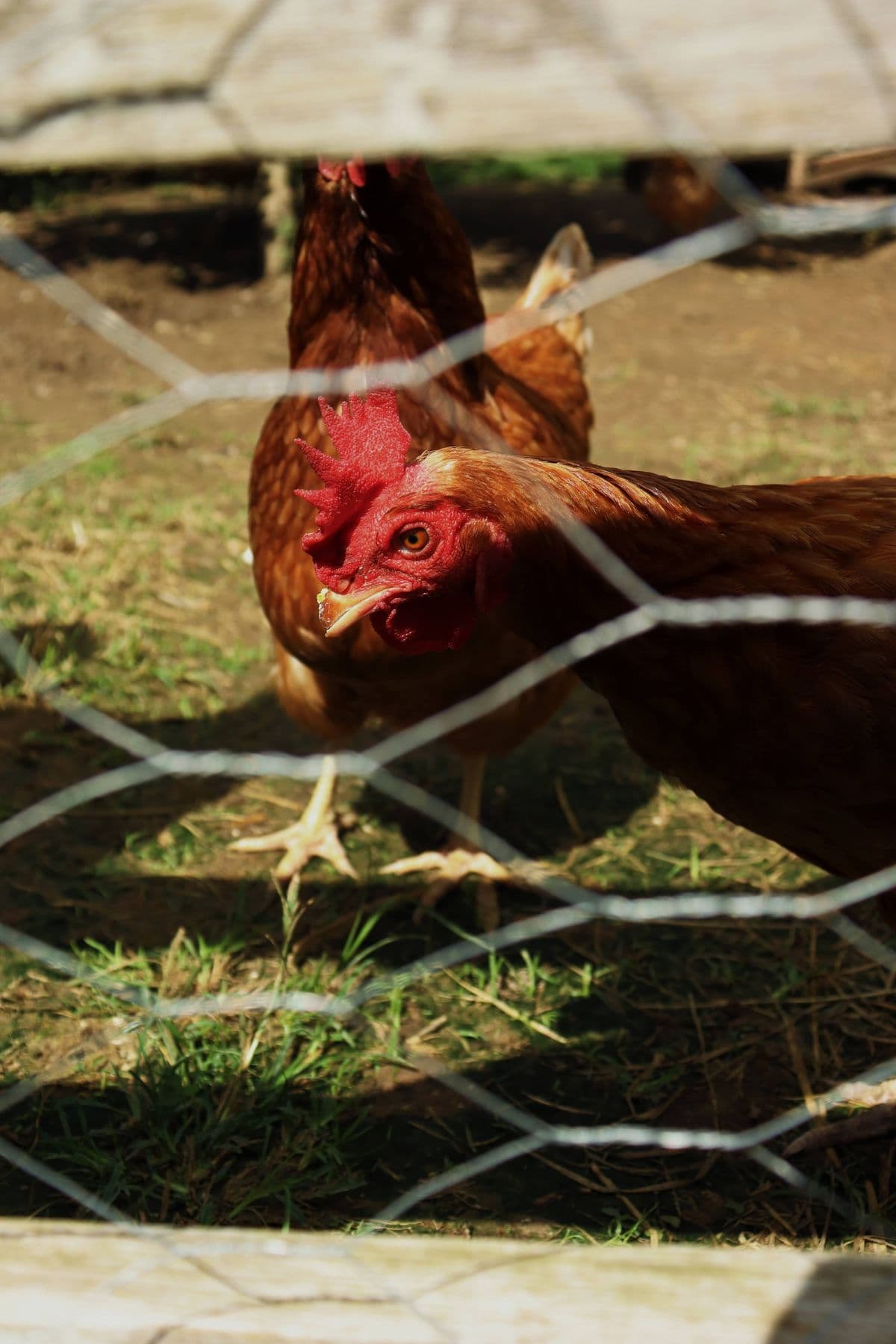
This is an emergency. Birds are panting violently at more than 250 breaths per minute — you can hear the collective roar of respiratory effort from outside the house. Birds begin lying on their sides, unable to maintain an upright posture. Combs and wattles on layers may appear blue or purple due to reduced oxygen saturation. Mortality begins: at 37–38°C, expect 0.1% of your flock to die every hour. At 39–40°C, that rate climbs to 0.2–0.3% per hour. For a 20,000-bird house, you may be losing 40–60 birds per hour.
Action at Stage 3: This triggers the full 10-minute emergency protocol described in Section 3. Every second of delay at this stage has a direct body count attached to it.
Stage 4 — Critical Heat Stroke (House Temperature 40°C and Above)
This is a catastrophic cascade. Birds are mass-panting with open beaks and outstretched necks. Many cannot stand. The floor of the house is littered with birds in lateral recumbency. Mortality is no longer linear — it accelerates as dead birds decompose and release additional heat, and as surviving birds expend enormous energy in thermoregulation, weakening them further. At this stage, you have 15–20 minutes of effective intervention time before the cascade becomes irreversible. Beyond that window, even perfect cooling may save only 50–60% of surviving birds.
Action at Stage 4: Execute the 10-minute emergency protocol immediately, simultaneously, without prioritization debates. Every step must happen in parallel, not in sequence.
2. Species-Specific Danger Thresholds
Not all poultry respond to heat equally. Understanding species and age differences helps you prioritize intervention within a multi-house farm operation.
- Broilers (meat birds): The most vulnerable category in UAE farms. Their rapid muscle mass development generates enormous metabolic heat. The danger threshold for broilers begins at 35°C house temperature. Heavy birds at 5–6 weeks of age (2.5–3.5 kg live weight) are significantly more susceptible than younger birds at 2–3 weeks. A 42-day-old broiler house requires full emergency response at temperatures that a 21-day house might manage with increased ventilation alone.
- Layers (egg-production hens): More heat-tolerant than broilers, with danger threshold at 37°C. However, prolonged moderate heat (33–36°C sustained over multiple days) causes cumulative damage to the reproductive cycle that is not immediately visible — you may not see the full production drop until 10–14 days after the heat event.
- Humidity adjustment: Every figure in this guide assumes moderate humidity (50–60%). In coastal UAE locations — Fujairah, Umm Al Quwain, Sharjah — where summer humidity frequently reaches 80–90%, shift all danger thresholds 3–4°C lower. A broiler house at 32°C and 85% humidity is experiencing the equivalent thermal load of a house at 36°C at 55% humidity. Your cooling system must work significantly harder per degree of temperature reduction.
- Age and condition: Older, heavier birds are always at greater risk. A hen in late lay (60+ weeks) has compromised thermoregulatory efficiency. Diseased birds, or birds recovering from respiratory challenges, hit their thermal limit earlier than healthy birds of the same species and age.
3. Immediate Emergency Actions: The 10-Minute Protocol
When house temperature reaches 38°C or you observe Stage 3 signs, this protocol activates. Print it, laminate it, and post it on every control room door on your farm. Every worker must know it by number.
Step 1 (0:00 — 1:00): Maximum Ventilation — No Waiting for Controllers
Go to the main breaker panel and manually override the ventilation controller. Switch every fan in the house to 100% speed. Do not wait for the controller to cycle through its logic — bypass it entirely. In a 1,200 m² tunnel-ventilated broiler house, this means bringing 12–16 fans from their controlled operating point (typically 60–70% in moderate heat) to full-speed override. The noise will be significant. This is correct. Open every inlet baffle and louver to its maximum position. Tunnel velocity should reach 2.5–3.0 m/s at bird level — this is the minimum windchill cooling effect that matters to the birds.
Step 2 (0:30 — 2:00): Activate All Evaporative Cooling — Regardless of Humidity Setting
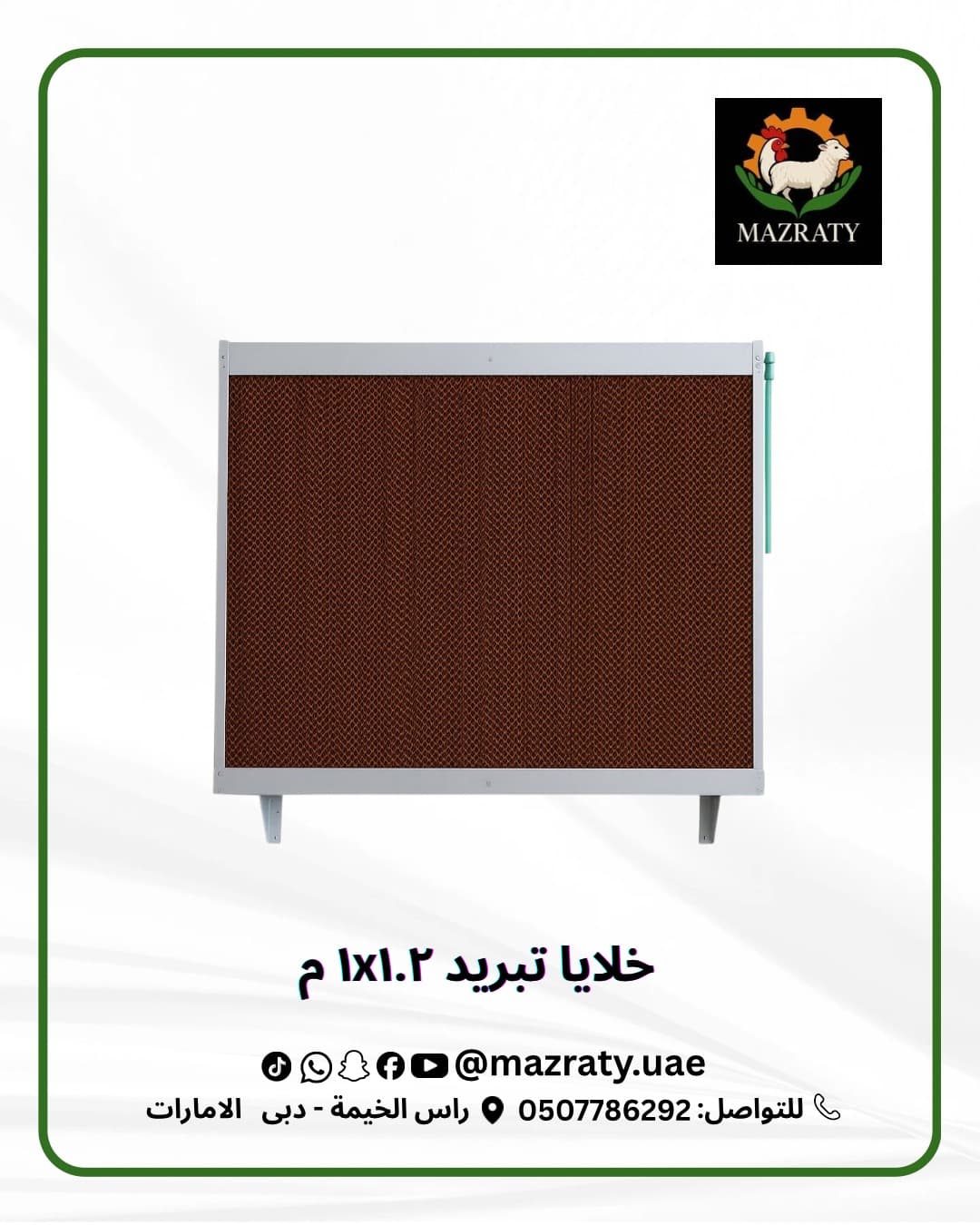
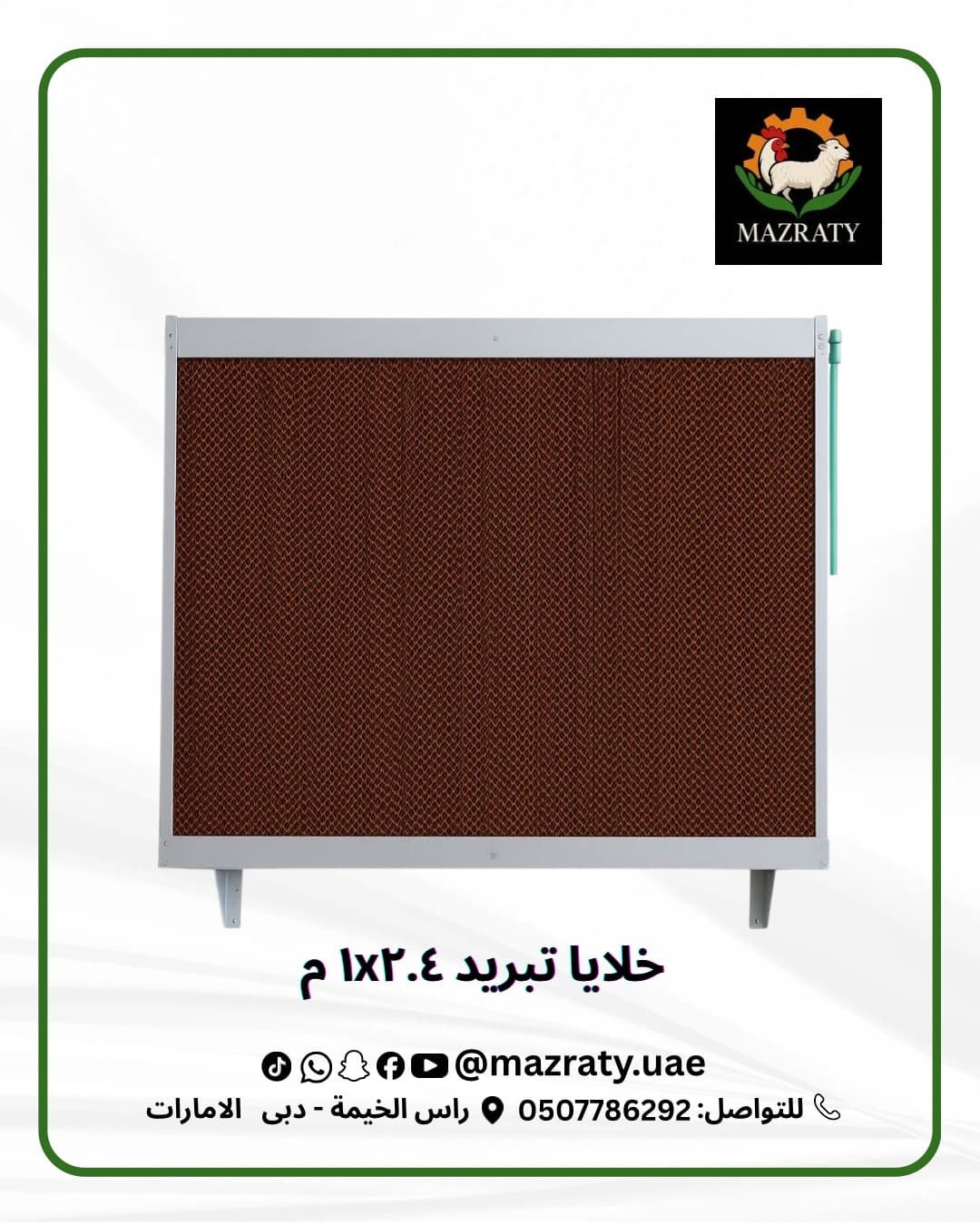
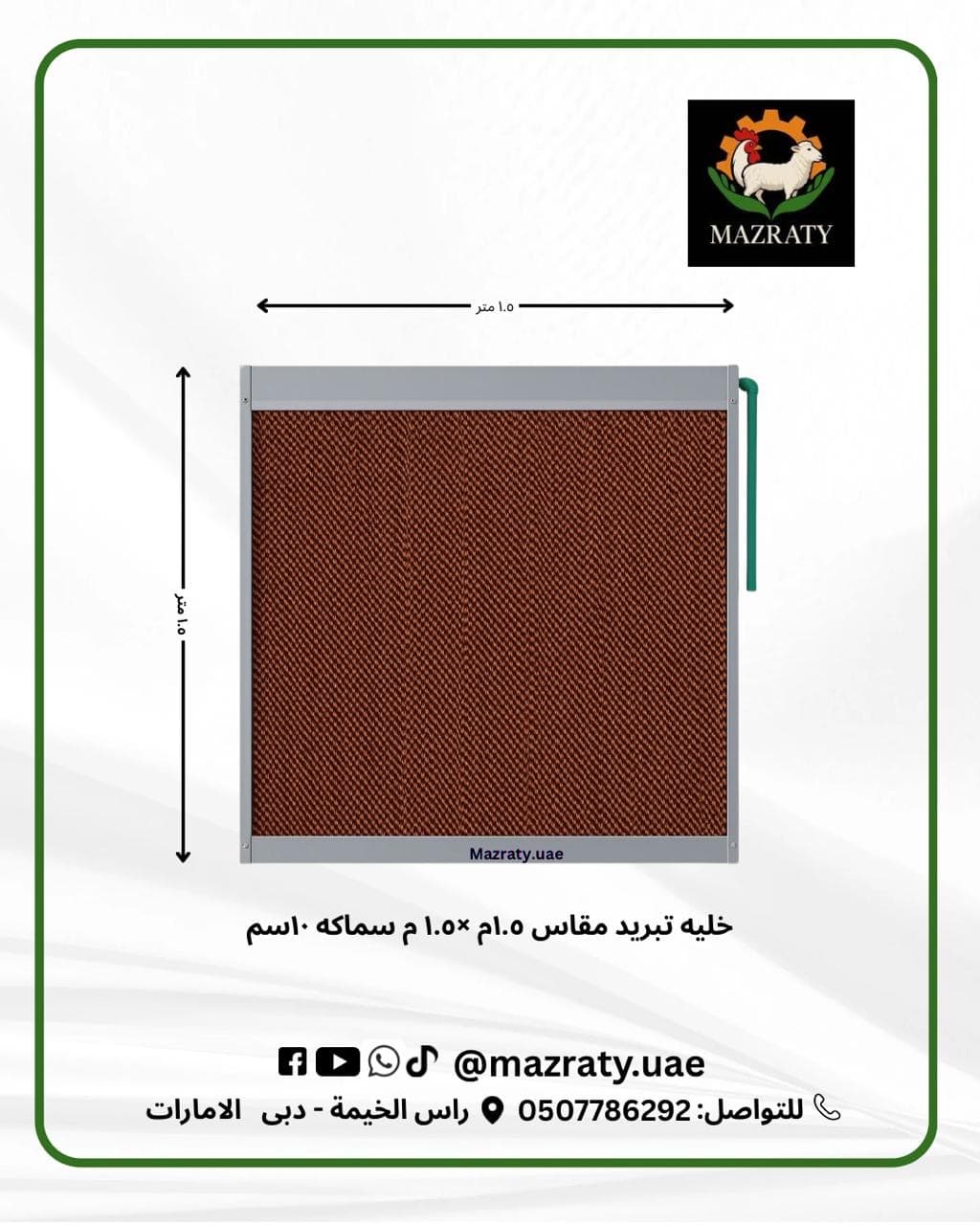
Manually activate all evaporative cooling pads and misting systems. In normal operations, your controller may suppress pad activation when outdoor humidity exceeds 70–75% because pad efficiency drops. In an emergency, you activate pads regardless — even at 80% humidity, wet pads provide 3–5°C of cooling, which at this stage is the difference between crisis and catastrophe. Check pad water distribution: walk the length of the pad header and confirm water is flowing evenly across the full pad face. Uneven distribution (dry patches) reduces cooling efficiency by 30–40%.
Step 3 (1:00 — 3:00): Open All Emergency Ventilation Panels
Every UAE-standard poultry house built after 2015 includes emergency side panels that bypass the normal tunnel ventilation flow path. Open every one of them. Yes, this disrupts the designed airflow pattern. In an emergency, supplementary air movement from any direction is beneficial. Remove any obstructions blocking emergency panel function — equipment stored against panels is a safety violation and must be reported after the event is resolved.
Step 4 (2:00 — 5:00): Deploy All Auxiliary Portable Fans
Every farm should maintain at least 4–6 portable high-velocity fans (minimum 750W each) stored in a dry, immediately accessible location. Deploy them now, positioning them to push air toward the leeward end of the house — the warmest zone in tunnel ventilation where exhaust-end birds suffer most. In a 120m tunnel house, the last 20–30 meters on the exhaust end can be 3–5°C warmer than the inlet end under normal operation. This is where your first deaths will occur. Target portable fans there first.
Step 5 (3:00 — 6:00): Ice in Water Header Tanks
Cold drinking water is one of the most effective direct cooling interventions available. Birds cool themselves internally through drinking and externally through evaporation from respiratory surfaces — both processes benefit from cold water. Break 50 kg of ice per 1,000 liters of header tank capacity directly into the tank. For a 20,000-bird house with a 5,000L header tank, this means 250 kg of ice — have it on site before summer starts. If you do not have ice, open the cold water supply to maximum flow to keep header tank temperature as low as possible.
Step 6 (5:00 — 10:00): Direct Mist Fans at Highest-Mortality Zones
Position portable mist fans (oscillating, minimum 1,000 m³/hour airflow) at the leeward end of the house and at any dead-air pockets your floor plan creates. Mist fans provide both air movement and evaporative cooling at bird level. Do not point mist fans at wet pad surfaces or at the inlet end — concentrate them at the hottest areas of the house. Monitor bird behavior: if birds begin to stand and move away from lateral recumbency, your intervention is working.
4. Recovery Actions: Minutes 10 Through 60
Once temperature is trending downward and bird mortality has slowed, shift to recovery mode. Do not reduce cooling efforts — maintain full cooling for at least 60 minutes after temperature normalizes, as birds retain body heat for an extended period after the environment cools.
Water Supplementation
- Sodium bicarbonate: 1 kg per 1,000 liters of water. Restores blood pH balance disrupted by rapid breathing (respiratory alkalosis). This is the single most important nutritional intervention in the immediate post-event period.
- Vitamin C: 200 grams per 1,000 liters of water. Reduces adrenal cortisol response and supports immune function during heat recovery. Available from Mazraty as a pre-mixed electrolyte formulation.
- Potassium chloride: 500 grams per 1,000 liters if sodium bicarbonate alone is unavailable. Replenishes electrolytes lost through heavy panting.
Dead Bird Removal
Remove all dead birds from the house immediately and continuously. A carcass decomposes rapidly in UAE summer temperatures and releases metabolic heat into the house environment. Equally important: a pile of carcasses in a corner creates a localized heat source that stresses surviving birds nearby. Assign one worker exclusively to carcass collection and disposal during the event.
Density Reduction
If your house design allows, open any internal partition walls or temporary dividers to reduce stocking density in the worst-affected pen sections. Moving birds from the leeward end (hottest) to the inlet end (coolest) even temporarily reduces per-bird thermal load in the most stressed area.
Documentation During the Event
Assign one person — not involved in physical cooling operations — to document continuously: time and location of every dead bird found, house temperature every 5 minutes (read directly from sensor, not from controller display which may lag), fan and pad status at each 5-minute interval, time of each intervention step. This documentation is essential for insurance claims and for post-event analysis.
5. Post-Event Assessment
After house temperature has returned below 32°C and remained there for at least one hour, begin systematic assessment.
Bird Weight Check
Weigh a random sample of 30 birds from different sections of the house. Heat-stressed broilers typically show a weight plateau of 3–7 days — they consume feed but redirect metabolic energy to thermoregulation rather than growth. Record this baseline weight. Check again on Day 3 and Day 7 post-event to track recovery trajectory and adjust feed budget accordingly.
Spatial Loss Mapping
Count and record deaths per pen section or per floor section. Plot this data on a simple house diagram. Clustering of losses in the leeward third of the house confirms that your exhaust-end cooling is inadequate — this is a ventilation design weakness you can address before the next event. Clustering near one sidewall may indicate a failed fan, blocked inlet baffle, or shadowing from adjacent structures.
Water System Audit
Check water line pressure at the end of the house — the point of lowest pressure in the system. If pressure dropped below operating range during the event, birds in that zone were drinking less when they needed water most. Consider upgrading header tank capacity (minimum 10L per bird for summer operations) or installing a booster pump on the supply line.
Controller Log Review
Download or photograph your climate controller's temperature log for the 24 hours preceding and during the event. Identify: the time temperature first exceeded the set point; how long the gap was between set point breach and controller response; whether the controller activated all cooling stages before the emergency. Most UAE poultry controller logs show a 15–30 minute lag between temperature spike and full cooling activation — this lag is where deaths begin.
6. Equipment Failure During a Heat Event
Equipment failures are statistically most likely in summer — the exact moment when you need them most. Each failure type requires a specific manual bypass.
Fan Failure
If one or more exhaust fans stop during an emergency (motor overload, belt failure, capacitor failure), immediately bypass the climate controller and wire any failed fan directly to 220V full-speed supply if the motor is intact. For belt-drive fans, check if the belt has snapped — a spare belt takes 10 minutes to replace if you have practiced the procedure and have the belt on site. Every UAE poultry house should stock one spare belt per fan size on-site.
Evaporative Pad Pump Failure
If the recirculation pump for evaporative pads fails, open the manual gravity bypass valve — a valve installed in the supply line that allows water from the header tank to flow directly to the pad header without pump pressure. This reduces flow rate and cooling efficiency by 40–60%, but wet pads outperform dry pads in every scenario. If no bypass exists in your system, install one before next summer: it costs approximately 200–400 AED and takes 2 hours to plumb.
Power Failure
Complete power failure during a summer heat event is the most dangerous scenario. Your backup generator must start and reach full load within 90 seconds of main power loss — this is not a guideline, it is a survival requirement. Practice generator startup monthly, not annually. Verify that your transfer switch automatically prioritizes fans and cooling equipment. A generator sized for a 1,200 m² house should be minimum 75–100 kVA. If generator startup takes more than 3 minutes, you will lose birds regardless of what else you do.
Controller Failure
If the climate controller fails (display goes blank, fans stop responding to commands), switch immediately to manual mode. Every control panel should have a clearly labeled manual override switch for each fan circuit. Post a laminated paper diagram in the control room showing exactly which circuit breaker controls which fan bank and how to switch to manual. Do not rely on staff memory in an emergency.
7. Post-Event Flock Recovery
Broiler Recovery Protocol
Heat-stressed broilers typically show 5–7 days of reduced growth rate after a significant heat event. During this window, their feed conversion ratio (FCR) may rise from a normal 1.65–1.75 to 1.90–2.10, meaning they consume more feed per kilogram of weight gain. Adjust your feed budget accordingly and discuss the event with your integrator or processor if you are on a contract — most UAE integrator contracts have provisions for documented heat events that affect delivery weight.
Layer Recovery Protocol
Heat-stressed layers may drop production 15–25% and show this decline for 3–4 weeks post-event. Shell quality (thickness and strength) deteriorates because heat stress disrupts calcium metabolism. Supplement vitamin E at 200 IU per kg of feed for 2 weeks post-event — this reduces oxidative stress in the reproductive system and accelerates cycle restoration. Add vitamin D3 at 3,000 IU per kg for the same period to support calcium absorption.
8. Insurance Claim Documentation
UAE agricultural insurance policies covering poultry typically require specific documentation for heat-related mortality claims. Failing to document correctly before disturbing the scene forfeits your claim. Before removing any carcasses beyond what is necessary for biosecurity:
- Photograph the controller display showing house temperature at its peak reading.
- Download or photograph the temperature log from the climate controller — the data logger printout or USB download is the primary evidence document.
- Photograph birds in situ (lying on the house floor) before collection, including visible signs of heat stress (blue combs, open beak).
- Record total mortality count by pen section with photographs of the counting process.
- Photograph water tanks showing ice if used, and water consumption meter readings before and after the event.
- Contact your insurance agent within 24 hours of the event, not after recovery is complete.
Most UAE agricultural insurers require notification within 48 hours of a loss event. Notification after you have already assessed recovery reduces your claim leverage significantly.
9. Emergency Drills and Staff Training
The protocols in this guide are worthless if the only person who knows them is the farm manager. Hold two formal emergency drills per year — one in April (before the heat season begins) and one in September (during the last month of the season, when complacency is highest). Each drill should:
- Involve every worker who is ever alone in a poultry house.
- Practice the 5-step emergency protocol under timed conditions — the team should be able to execute all steps within 8 minutes.
- Include generator startup, manual fan override, and pad bypass procedures.
- Test whether every worker knows where the ice supply is, where portable fans are stored, and where the electrolyte stock is kept.
- End with a debriefing: what was slow, what was unclear, what needs to be repositioned or relabeled.
Post a laminated one-page emergency reference card — in both Arabic and English — in every control room, at the main entrance to every house, and in the staff rest area. The card should list the 5 steps, the emergency contacts (including Mazraty's emergency line), and the generator startup procedure.
Act Before the Next Event
The best time to prepare for a heat emergency is before it happens. Mazraty — the leading farm equipment supplier in Ras Al Khaimah — carries the full range of emergency cooling equipment your farm needs: high-velocity portable fans, portable misting units, evaporative cooling pad systems, generator transfer switches, and complete electrolyte supplement packages formulated for UAE summer conditions. We can help you audit your existing cooling system for vulnerabilities before they become emergencies.
If you are in the middle of a heat event right now, or if you want to conduct a pre-summer equipment review, call us immediately on WhatsApp +971 50 535 3412. Our team understands UAE poultry farming conditions and can advise you on emergency equipment dispatch, cooling system upgrades, and post-event recovery nutrition — any time, any day of the year.
Reviewed planning sources
These references support operating and welfare principles. Final design and health programs remain site-, strain-, authority- and veterinarian-specific.
Frequently Asked Questions
What is the first action during heat stress?
Check airflow, water and power immediately, reduce disturbance and follow the farm emergency plan with veterinary oversight.
When is veterinary help required?
Seek help when mortality or severe signs occur, or panting and lethargy persist after airflow and water are restored.