What determines feed mill setup cost in the UAE: capacity, utilities, grinding, mixing, pelleting, cooling, storage and commissioning.
A small feed mill budget must include intake, grinding, mixing, conveying, pelleting, cooling, screening and storage, plus utilities, installation and maintenance access.
Why a Feed Mill Is a Strategic Investment in the UAE
The UAE imports the vast majority of animal and poultry feed, leaving local farmers at the mercy of fluctuating import prices and rising shipping costs. With continuous expansion in the country's livestock and poultry sector, feed demand grows year after year. This reality makes establishing a local feed mill a genuine investment opportunity — you're not just serving your own farm but addressing the needs of an entire market seeking a closer, more affordable local alternative.
However, the cost of setting up a feed mill isn't a single simple number. It's a complex set of expenses that depend on many factors: target production capacity, automation level, equipment quality, location, and licensing requirements. In this article, we break down every cost component to help you plan realistically.
Determining Production Capacity: The First and Most Important Decision
Before diving into specific feed mill setup cost figures, you need to define your target production capacity. Here are the planning steps in order:
- Define your target market size and the number of farms you will serve.
- Calculate the required production capacity in tons per hour based on projected demand.
- Choose the appropriate automation level for your budget (manual, semi-automatic, or fully automatic).
- Select a suitable location and calculate rental or construction costs.
- Prepare a list of required equipment for each production stage.
- Obtain the necessary government licenses and approvals.
- Begin equipment installation and trial operation.
This depends on the size of your intended market:
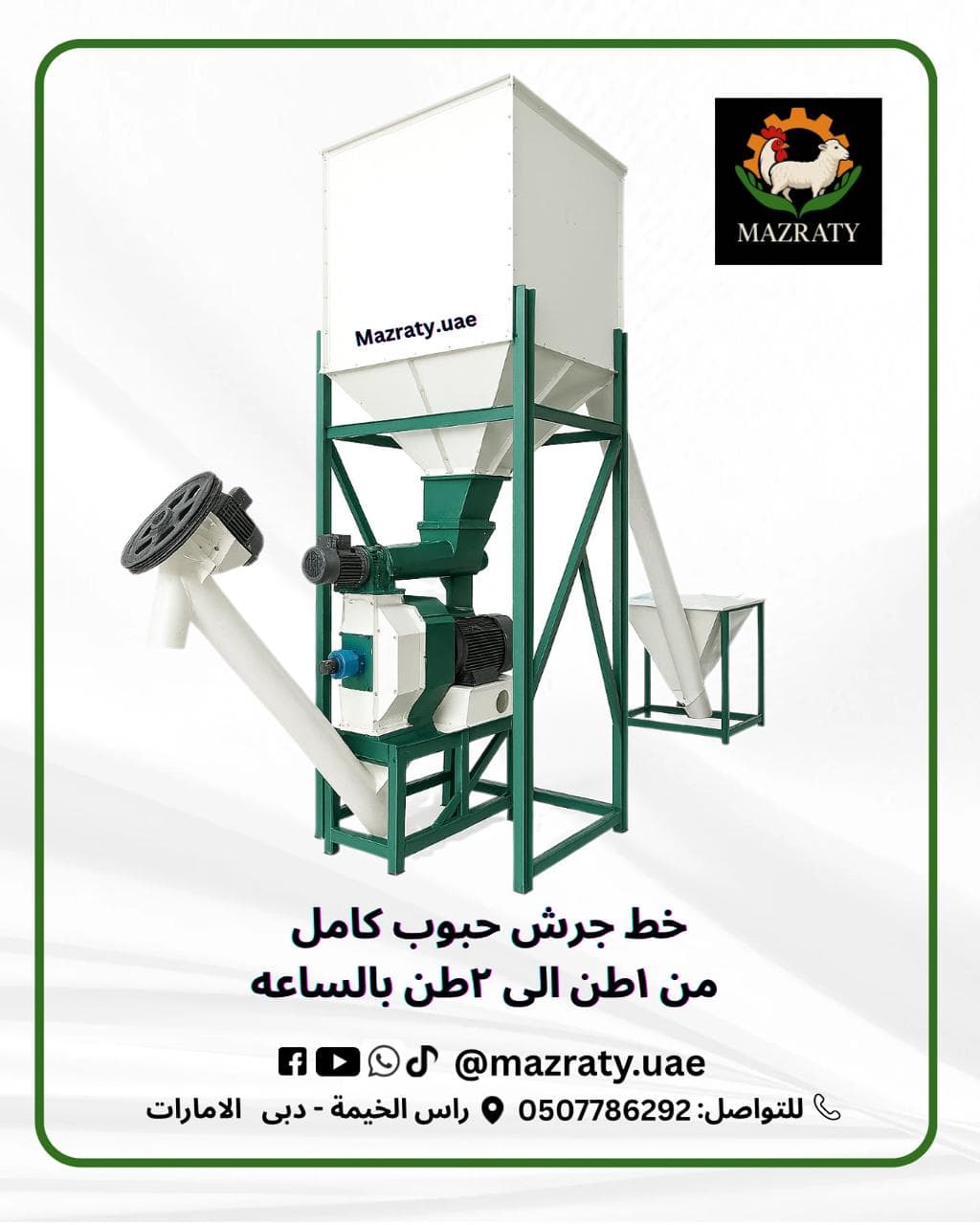
Small Feed Mill (1-2 tons/hour)
Suitable for feeding a large farm or several small farms in a limited area. This scale suits a farmer who wants feed self-sufficiency while selling surplus to neighboring operations. Investment at this level ranges approximately from $20,000 to $30,000 USD for core equipment.
Medium Feed Mill (3-10 tons/hour)
A commercial operation serving multiple farms across a wide area. Requires larger investment in equipment, premises, and staffing. Estimated equipment costs range from $50,000 to $250,000 depending on automation level and quality.
Large Feed Mill (20+ tons/hour)
A fully integrated industrial plant serving a broad market and potentially including export. Equipment investment alone ranges from $450,000 to $850,000 or more, plus substantial infrastructure costs.
Feed Production Line Stages and Required Equipment
Receiving and Storage
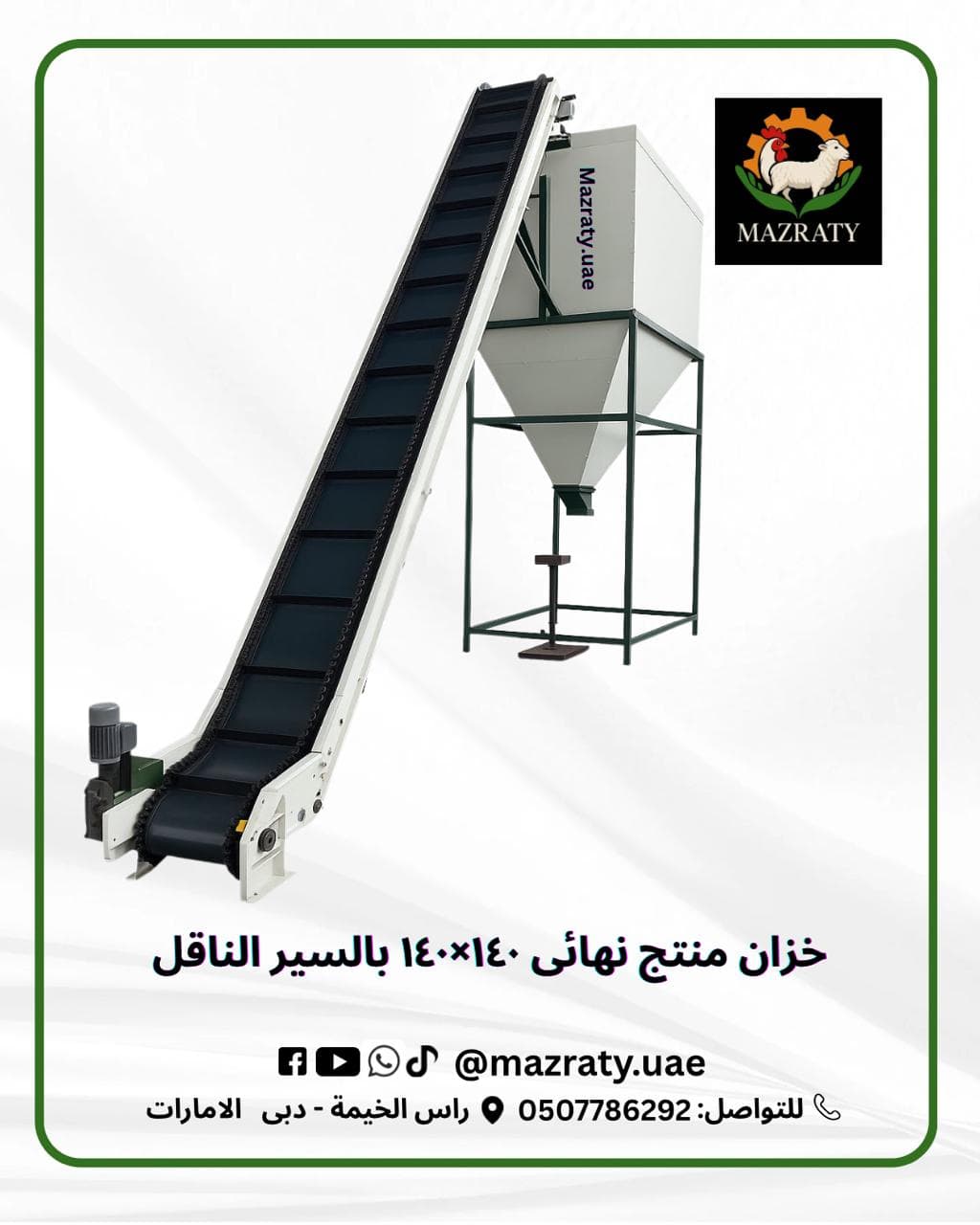
This includes storage silos for raw materials (corn, soybean, rice, etc.), conveyors to move materials from storage to the production line, and an electronic scale for recording incoming quantities. Cost depends on required storage volume.
Crushing Stage
A grain crusher to grind grains and hard materials into fine powder. Hammer mills are the most common choice for feed mills, with capacities ranging from 1 to 20 tons per hour. This stage is critical because grind size directly affects final pellet quality.
Mixing Stage
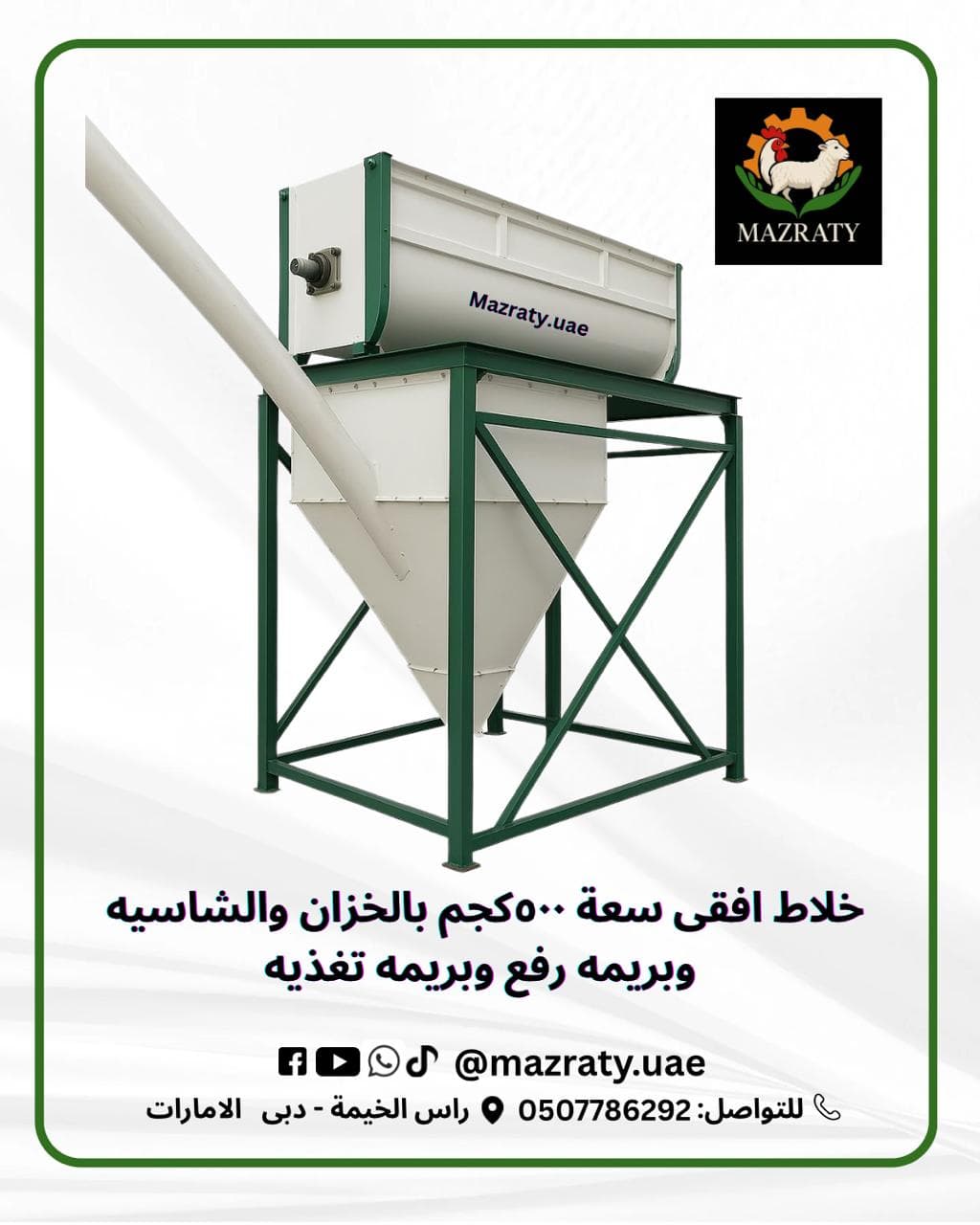
A feed mixer to blend all ingredients at precise ratios. It must achieve uniformity of at least 95 percent. Twin-ribbon horizontal mixers are the most efficient option. This stage also involves adding vitamins, minerals, and supplements at exact proportions.
Pelleting Stage
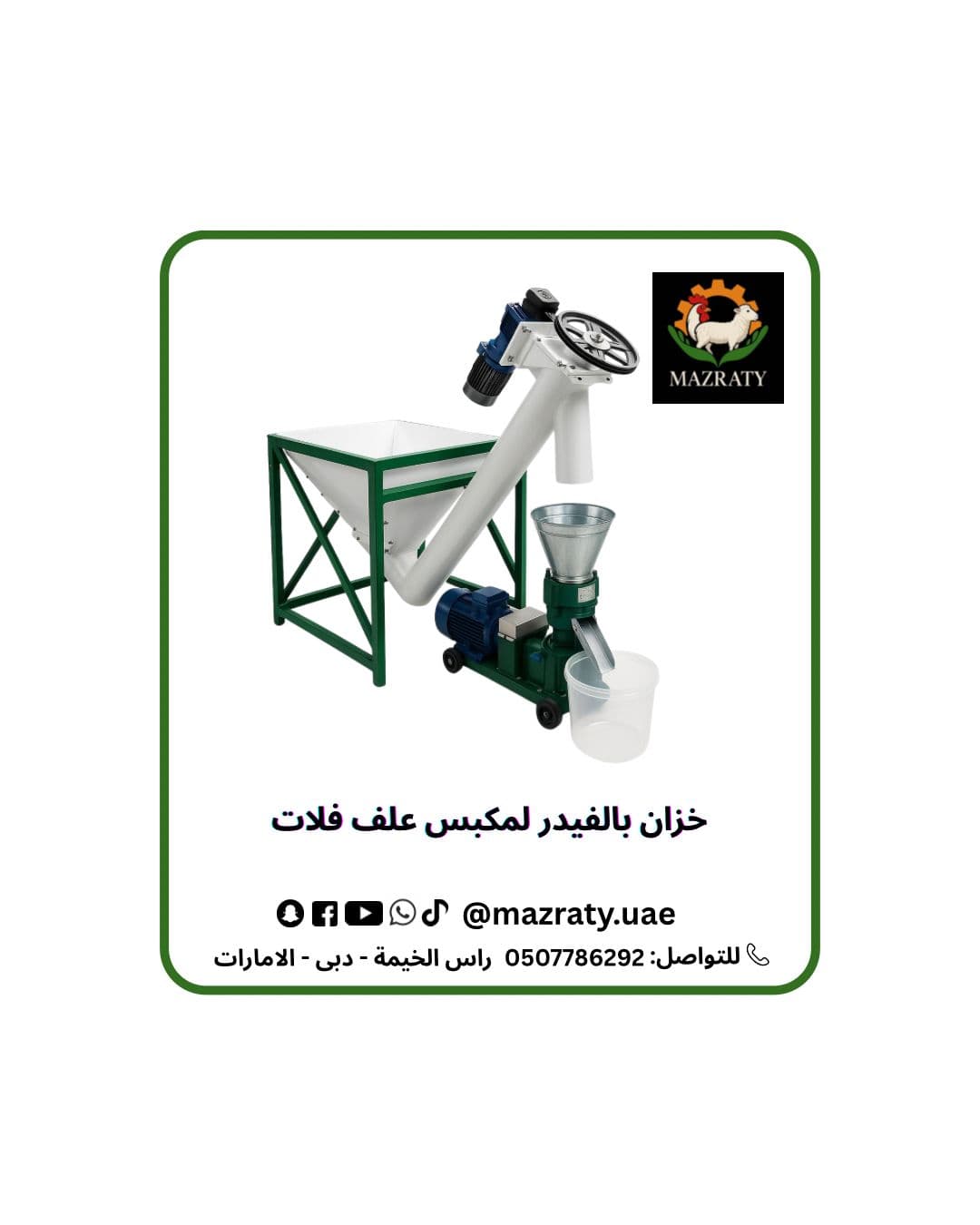
The feed pellet press is the heart of the factory. Ring die presses are the standard in commercial mills for their high production capacity and superior pellet quality. The press alone represents a significant portion of total equipment cost.
Cooling Stage
A counter-flow cooler to bring hot pellets to ambient temperature after pressing. Cooling is essential for pellet firmness and preventing moisture condensation during storage. Cooler cost depends on throughput capacity.
Crumbling and Screening
A crumbler to break large pellets into smaller sizes for chicks, and a screener to separate intact pellets from broken pieces and dust. Dust and broken pellets are recycled back to the pelleting stage.
Packaging Stage
An automatic or semi-automatic bagging machine to package the finished product in bags of various weights. A date and batch number printer on each bag is required for food safety compliance.
Internal Conveying Systems
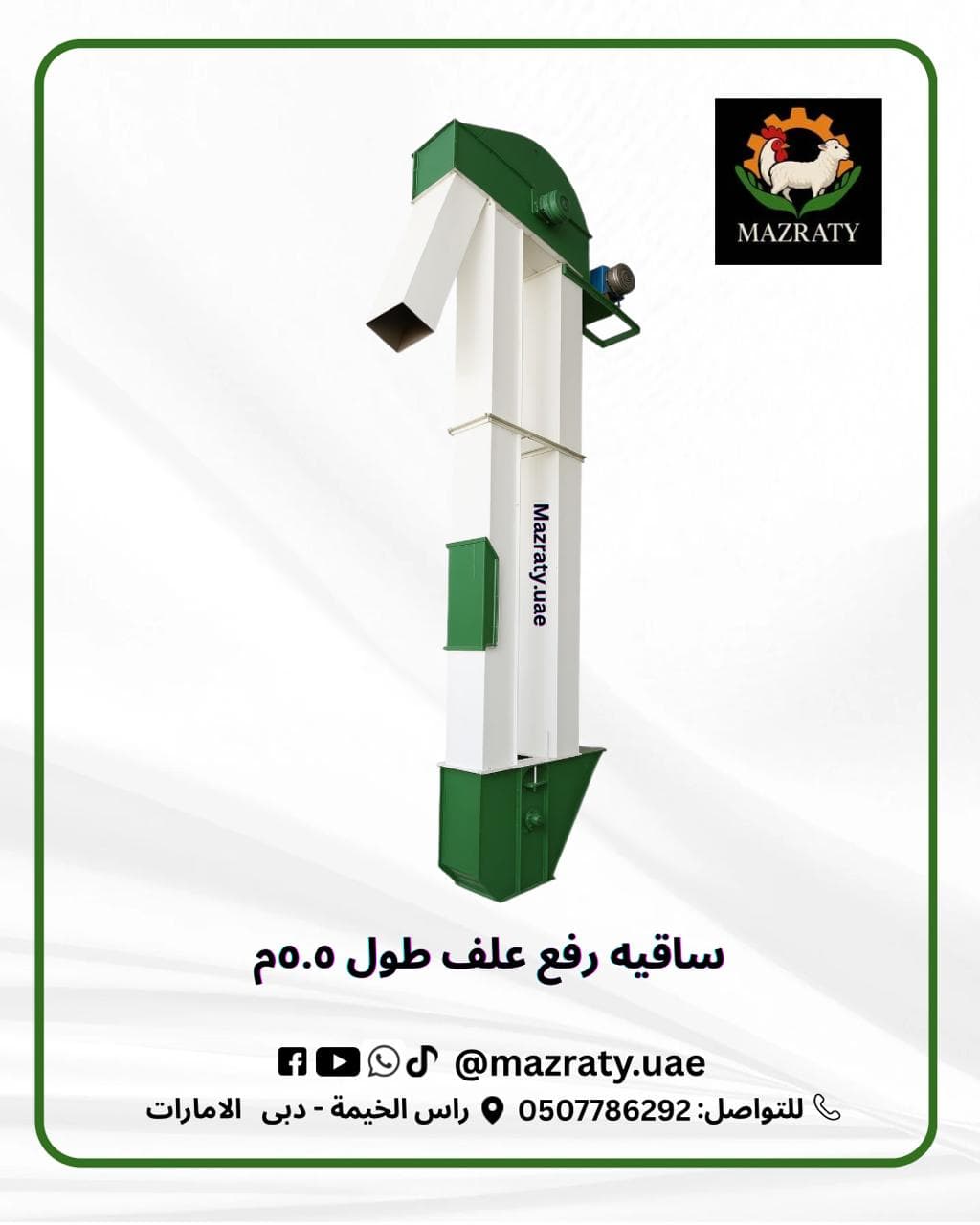
Screw conveyors, bucket elevators, and belts to transport materials between different stages. These systems are essential for production line flow and reducing manual labor.
Additional Costs to Account For
Infrastructure and Building
Feed mill setup costs include constructing an appropriate industrial building with sufficient space for the production line, storage areas, administrative offices, and staff facilities. In the UAE, construction or rental costs vary significantly by location — industrial zones in Ras Al Khaimah and Sharjah are typically less expensive than Dubai and Abu Dhabi.
Licenses and Approvals
These include a trade license, industrial license, municipal and environmental approvals, and food safety certification. Licensing costs in the UAE vary by emirate and free zone.
Installation and Commissioning
The cost of installing equipment, connecting systems, and trial operation. This includes electrical, plumbing, and compressed air work. Some suppliers include installation in equipment pricing while others charge separately.
Operating Costs
Ongoing costs include: raw materials (the largest component), electricity, water, and compressed air bills, staff and technician salaries, maintenance and spare parts, transportation and distribution costs, and insurance.
Success Factors for a Feed Mill in the UAE
- Market research: Confirm sufficient demand in your target area before investing.
- Product quality: Good feed builds reputation and attracts loyal customers. Never sacrifice quality to save costs.
- Operational efficiency: High-quality equipment with regular maintenance reduces downtime and increases productivity.
- Inventory management: Raw materials have limited shelf life. Smart inventory management prevents losses.
- Regulatory compliance: Meeting all food safety and environmental requirements avoids fines and business suspension.
- Trusted equipment partner: Choosing a supplier who provides warranty and ongoing technical support saves you significantly over time.
Mazraty's Role in Your Project
At Mazraty, we don't just sell equipment — we participate in building your project from the beginning. We provide specialized technical consultation to determine appropriate production capacity, design the production line to match your space and budget, supply and install equipment, run commissioning, and train your team on operation and maintenance. Our 20-plus years of experience equipping feed production lines in the UAE means you get a partner who understands the local market and its challenges. Browse our feed production line equipment.
Reviewed planning sources
These references support operating and welfare principles. Final design and health programs remain site-, strain-, authority- and veterinarian-specific.
Frequently Asked Questions About Feed Mill Setup Costs
Can I start a feed mill on a limited budget?
Yes, you can begin with a small production line at 1-2 tons per hour capacity at a relatively reasonable budget. This scale is sufficient to feed a large farm while selling surplus. As business grows, you can expand gradually by adding equipment or upgrading existing units.
How long does it take to build a feed mill from scratch?
A small mill can be operational in 2 to 3 months from equipment order to first production. Large mills may take 6 to 12 months including construction, licensing, installation, and trial operation.
Are feed mill setup costs higher in the UAE than neighboring countries?
Some costs are higher in the UAE such as industrial land rent and labor. But excellent infrastructure, ease of importing, and port proximity offset these differences. Higher local feed prices also mean attractive profit margins.
What is the most important advice for someone planning a feed mill?
Don't economize on core equipment quality — especially the pellet press, crusher, and mixer. These three machines determine your product quality and production efficiency. Cheap equipment means frequent breakdowns, inconsistent quality, and dissatisfied customers. Invest in quality from the start.