Poultry biosecurity in the UAE is not optional — it is the single most cost-effective investment a farm owner can make. With summer temperatures exceeding 48°C, relative humidity pushing 90% along the coast, and live-bird markets connecting thousands of operations across the GCC, UAE poultry farms sit at one of the world's highest disease-pressure crossroads. A single outbreak of Avian Influenza or Newcastle Disease can erase an entire flock — and the restocking, downtime, and regulatory costs that follow can exceed AED 500,000 on a mid-sized operation. This guide walks farm managers through every layer of a professionally certified biosecurity program: zone design, disinfectant chemistry, footbath rotation, vehicle decontamination arches, rodent and wild-bird exclusion, dead-bird disposal, inter-flock downtime, and audit-ready record-keeping. Each section links directly to equipment and accessories available from Mazraty, Ras Al Khaimah's leading farm-supply specialist, so you can move from reading to implementation in a single sourcing call.
Mazraty supplies the complete range of biosecurity hardware, from heavy-duty polyethylene footbaths to programmable vehicle-wash arches, making it possible for operators of every scale to implement professionally graded protocols without importing from Europe or waiting weeks for shipment.
Zone-Based Security: The Three-Zone Model for UAE Farms
The internationally accepted approach to farm biosecurity divides the property into concentric security zones. UAE Ministry of Climate Change and Environment (MOCCAE) guidelines for poultry premises align with OIE recommendations and recognize three functional zones.
Zone 1 — Restricted Zone (Red Zone)
This is the production area: poultry houses, egg rooms, hatcheries, and any structure containing live birds. Access is strictly limited to trained, designated personnel who have undergone a full shower-in procedure. Clothing is farm-issue only. No personal mobile phones unless enclosed in single-use plastic sleeves. No food from outside. Footbaths must be positioned at every entry and exit point. The restricted zone fence line should sit at least 50 meters from the outer perimeter fence to create a meaningful buffer.
Zone 2 — Controlled Zone (Yellow Zone)
Feed storage, equipment workshops, staff change rooms, and the vehicle holding area fall inside the controlled zone. Personnel entering from outside must change footwear and spray hands with 70% isopropyl or QAC-based sanitizer before crossing into this zone. Delivery vehicles from feed mills and veterinary suppliers are generally permitted to Zone 2 boundary only. The controlled zone contains the shower-in/shower-out facility where personnel transition between the outside world and the restricted zone.
Zone 3 — Clean Zone (Green Zone)
Administrative offices, parking areas, and visitor reception occupy Zone 3. Visitors who do not enter further than this zone require minimal biosecurity intervention beyond a sign-in register and vehicle disinfection at the outer gate. Clear signage in Arabic and English is a MOCCAE audit requirement at every zone boundary.
Mazraty stocks color-coded zone signage, barrier tapes, and dedicated zone entry mats suitable for UAE outdoor conditions — UV-stabilized and rated for sustained surface temperatures above 70°C.
Footbath Design, Placement, and Disinfectant Rotation
The footbath is the most frequently used biosecurity control point on any poultry farm, yet it is also the most frequently mismanaged. An incorrectly maintained footbath provides false confidence while spreading pathogens from boot to boot across every house on the farm.
Physical Specifications
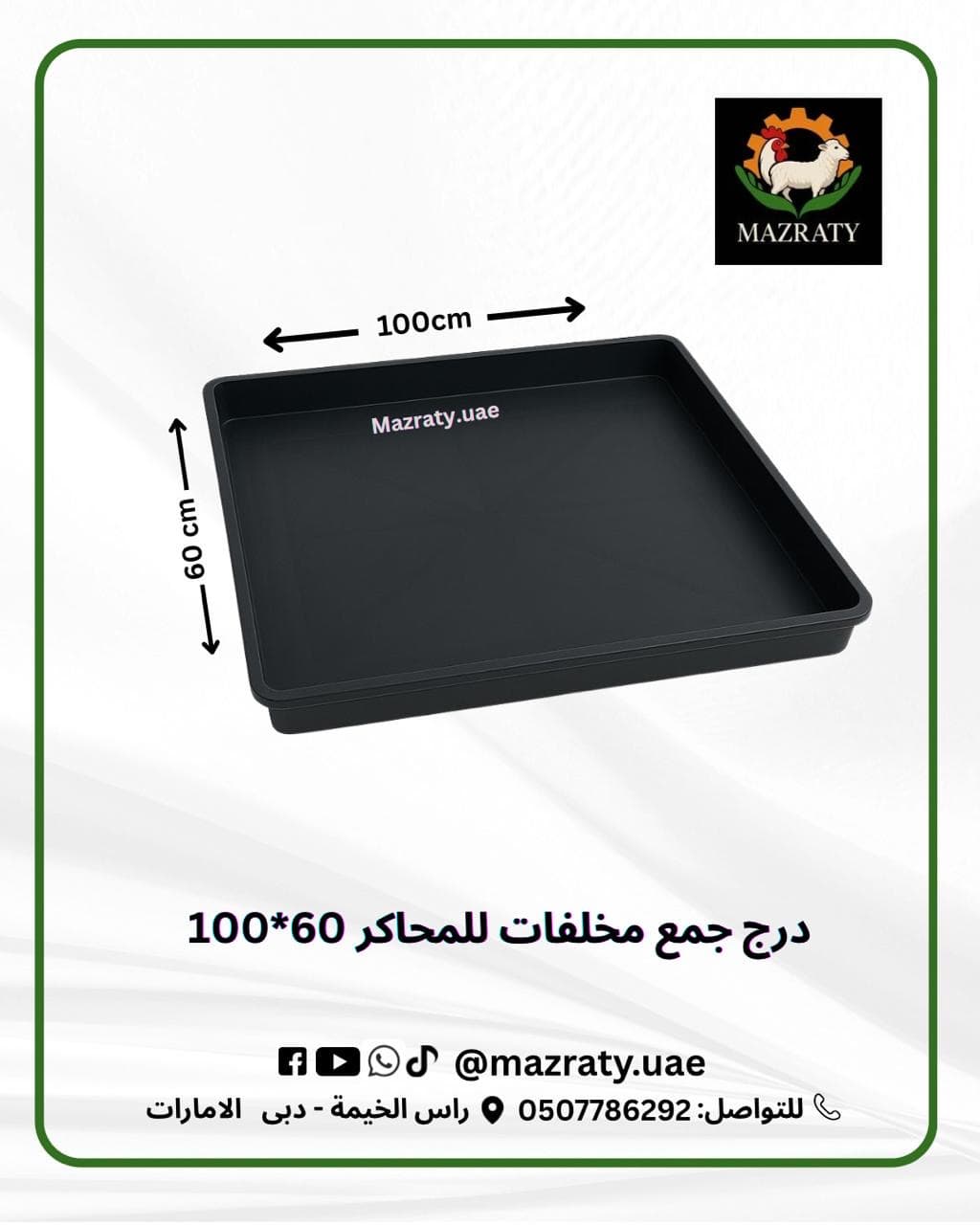
A correctly sized footbath should be a minimum of 90 cm long (to ensure two full steps of contact), 60 cm wide, and 15 cm deep, with a usable liquid depth of at least 8–10 cm. This forces both boot soles and the lower quarter of the boot shaft to contact disinfectant. Footbaths that are too shallow simply wet the sole edge without achieving reliable kill. In UAE summer conditions, footbath liquid evaporates rapidly — operations should plan to top up and replace solutions twice daily when ambient shade temperature exceeds 40°C.
Upstream of every footbath, install a dry boot scraper (metal grid or stiff brush mat) to remove gross organic matter — soil, manure, bedding — before the boot enters the disinfectant solution. Organic matter is the primary destroyer of disinfectant efficacy. A footbath loaded with 5% organic matter will have its active chemical concentration reduced by up to 80% within two hours.
Disinfectant Chemistry and Rotation Schedule
Using a single disinfectant indefinitely creates selection pressure and risks the emergence of reduced-susceptibility pathogen strains. Rotate among at least three chemical classes on a two-to-four-week cycle:
- Glutaraldehyde (2%–4% solution): Broad-spectrum aldehyde with excellent activity against Mycoplasma, E. coli, and Salmonella. Effective at pH 7.5–8.5. Stable for up to 7 days in closed footbath at temperatures below 35°C. Appropriate for weeks 1–2 of the rotation.
- Quaternary Ammonium Compounds — QAC (1:200 dilution): Cost-effective and low-irritant. Good surface activity against enveloped viruses including Avian Influenza. Less effective against non-enveloped viruses (IBD, IB coronavirus) and heavily contaminated environments. Use weeks 3–4.
- Iodine-based (iodophor, 75–150 ppm available iodine): Broad antiviral and antibacterial. Excellent visual indicator — color fades as efficacy drops, which is a built-in quality-control mechanism useful in a busy operation. Stable 3–4 days. Use as a rotation reset or in high-risk periods.
- Citric acid / organic acid blends: Emerging preference in antibiotic-stewardship-focused programs. Effective against biofilm-forming bacteria. Consider quarterly rotation slot.
Mazraty supplies all four chemical classes in farm-volume packaging (20-liter and 200-liter drums), together with dosing pumps that auto-dilute concentrate to working strength — eliminating human dilution error, which is a leading cause of footbath failure.
Shower-In Shower-Out Facilities: Design for UAE Climate
A genuine shower-in/shower-out (SISO) facility is the gold standard for transitioning personnel between the controlled and restricted zones. In UAE conditions, the design must account for extreme heat, high evaporative cooling loads, and the practical reality that workers may resist a mandatory shower if the facility is uncomfortable.
The SISO room divides cleanly into a dirty side (locker room, street clothing storage, shower entry) and a clean side (farm clothing issue, boot-on area, restricted zone exit). The shower itself should deliver warm water — 38–42°C — even in summer when mains water temperatures can exceed 30°C from solar-heated pipes. Water heater capacity should be sized for a shift change of 10–20 workers within a 30-minute window. A hair dryer or warm-air blower on the clean side is not a luxury: wet hair in a 48°C environment causes heat stress within minutes.
As a minimum where a full SISO is not yet installed, implement a change-boot-and-coverall protocol with hand sanitizer stations. Mazraty supplies modular SISO panels, boot-change benches, and industrial hand-sanitizer dispensers that can be assembled inside an existing structure at a fraction of the cost of purpose-built construction.
Vehicle Disinfection: Arches and Drive-Through Systems
Vehicle movements — feed trucks, catching crews, live-bird transport, veterinary calls, mortality disposal units — represent the single largest external biosecurity threat to a poultry farm. Each incoming vehicle potentially carries soil, manure, and live pathogens from the last premises it visited. In the UAE, where distances between poultry operations in Ras Al Khaimah, Al Ain, Abu Dhabi, and Sharjah are short and transport contractors service multiple farms daily, inter-farm pathogen transfer by vehicle is an underappreciated risk.
Fixed Disinfection Arch
A fixed vehicle disinfection arch positioned at the outer gate sprays the underbody, wheel arches, and sides of every vehicle entering the property. Minimum arc specification: nozzle coverage from road surface to 3.5 meters height, 6-meter spray width, minimum 30-second contact time enforced by a boom gate or timed delay. Disinfectant: QAC or phenolic compound at 2x footbath concentration. Arch must include an undercarriage spray bar at 15 cm above road surface for wheel-well penetration.
Wheel Bath
A wheel bath (concrete trough 4 meters long, 3.5 meters wide, 20 cm liquid depth) at the farm gate provides supplementary contact for tires. Fill with phenolic or glutaraldehyde solution. Replace solution every 48 hours or after heavy traffic. In UAE summer, the wheel bath concrete absorbs significant heat — disinfectant efficacy degrades faster at temperatures above 40°C, so pH and concentration checks every morning are essential.
Mazraty supplies stainless-steel and galvanized disinfection arches, concrete wheel-bath formwork kits, and timed solenoid valve assemblies for automated operation — reducing labor cost at the gate and ensuring every vehicle receives a consistent treatment.
Rodent Control Programs: Bait Stations, Sealing, and Monitoring
Rodents are reservoir hosts and mechanical vectors for Salmonella, Campylobacter, and several avian viruses. A single rat consumes approximately 30 grams of feed per day but contaminates 10x that quantity through urine, droppings, and hair. On a 25,000-bird house consuming 3.5 tonnes of feed per day, a 50-rat infestation reduces feed conversion efficiency and elevates flock Salmonella burden simultaneously.
Bait Station Placement
Install tamper-resistant bait stations at 10-meter intervals along all external walls, at every door and window frame, at feed-store entry points, and at utility pipe penetrations. For a standard broiler house footprint of 100m x 15m, this typically requires 32–40 stations. In UAE conditions, use paraffin-block rodenticide formulations rather than grain-based baits — grain baits absorb moisture in humid months and become unpalatable within days. Check and replenish stations every 14 days. Log inspections in the biosecurity record binder.
Entry Point Sealing
Survey every house for gaps above 6mm — the minimum diameter through which a juvenile mouse can pass. Seal with galvanized hardware mesh (0.5mm wire, 6mm aperture) followed by expanding polyurethane foam with a cement-render overcoat. Pay particular attention to where utilities (water pipes, electrical conduit, ventilation ducts) penetrate the wall. In UAE summer, thermal expansion cycles open gaps in masonry that were sealed the previous winter — an annual structural survey is essential.
Mazraty stocks tamper-resistant bait station housing, galvanized exclusion mesh, and foam sealant appropriate for UAE building substrates, along with tracking pads for monitoring rodent traffic before infestation becomes established.
Wild Bird Exclusion: Netting, Deterrents, and Perimeter Management
Wild birds — particularly migratory waterfowl using the UAE as a wintering ground along the Central Asian Flyway — are the primary reservoir of Avian Influenza H5N1 and related subtypes. The Hawar Islands and UAE's coastal wetlands host tens of thousands of waterfowl between October and March. A poultry operation within 10 kilometers of any wetland or coastal area is in a heightened AI risk zone during this period.
Physical Exclusion
For open-sided or tunnel-ventilated houses, install anti-bird netting with a maximum 30mm mesh aperture across all ventilation openings, attic vents, ridge gaps, and curtain gaps. Netting must be rated UV-resistant — standard agricultural netting in UAE summer degrades within 18 months without UV stabilization. Inspect netting monthly for tears. A single sparrow entering a house during high AI-pressure season is a genuine clinical risk.
Active Deterrents
Combine passive netting with active deterrents: gas-powered bird bangers (set to randomize interval to prevent habituation), reflective tape on feed-store rooflines, and removal of any standing water within 100 meters of the restricted zone. Standing water — including puddles from drinking nipple overflow — attracts wild waterfowl. AI virus survives in water at 22°C for up to 30 days.
Mazraty supplies UV-rated exclusion netting in custom cut widths, stainless-steel fixing clips, and deterrent tape suitable for Gulf climate conditions.
Dead Bird Disposal: Protocols for UAE Regulatory Compliance
Dead bird disposal is tightly regulated in the UAE under MOCCAE Circular 2/2019 on poultry waste management. Improper disposal is a direct biosecurity risk — a carcass left on a farm road or in an open skip becomes a scavenger attractant and a potential AI amplification point.
On-Farm Composting
Composting is the most practical disposal method for operations under 50,000 birds. A correctly managed compost bin reaches 55–65°C core temperature within 3–5 days — sufficient to inactivate most avian pathogens including Newcastle and IB viruses. Carbon:nitrogen ratio must be maintained at 25:1 to 30:1; wood chip or rice hull is the ideal carbon amendment. Turn the pile at day 7 and day 14. Final compost should be held a minimum of 42 days before land application. In UAE summer, compost bins require shading — direct sun exposure causes moisture loss that stalls the thermophilic process.
Incineration
Large operations (over 100,000 birds) should invest in a modular incinerator unit. Minimum specification: 850°C primary chamber, 1100°C secondary afterburner, capable of processing 50–100 kg of mortality per hour. UAE regulations prohibit open burning. Ash residue from compliant incineration is classified as non-hazardous waste and can be landfill-disposed.
Rendering and Third-Party Collection
For farms near Abu Dhabi or Dubai, licensed rendering contractors offer daily or alternate-day collection. Agree a contract upfront and ensure the collection vehicle enters no further than Zone 3. Mortality must be stored in a sealed, refrigerated or insulated container at the farm perimeter until collection — not in open skips.
Mazraty supplies insulated mortality bins, composting bin formwork, and can advise on incinerator suppliers appropriate for RAK-based operations.
Downtime Between Flocks: Why 14 Days Is the Absolute Minimum
Operator pressure to minimize the gap between flocks is economically understandable — every empty day costs revenue. But the minimum 14-day downtime between flock placement is not conservative industry caution; it is the scientifically established minimum required to break pathogen carryover cycles for IB coronavirus, Newcastle disease virus, and IBD (Gumboro) virus in UAE building conditions.
At UAE summer temperatures of 45–48°C inside an empty, unshaded house, IBD virus survives for approximately 56 days on concrete surfaces without disinfection. After proper cleaning and disinfection, that survival time drops to under 7 days — meaning a 14-day rest post-C&D provides a meaningful safety margin. Farms that skip the rest period and skip C&D steps have measured viral carry-forward rates of up to 35% for IB between flocks in UAE climate trials.
Use downtime productively: complete equipment maintenance, repair feeders and drinkers, repaint interior surfaces with lime wash (pH 12+ — virucidal for most enveloped viruses), and verify biosecurity infrastructure before the next placement arrives.
Cleaning and Disinfection Sequence: The Five-Step Protocol
A poorly sequenced cleaning and disinfection effort is worse than useless — it can create a false sense of security. The correct sequence is non-negotiable:
- Step 1 — Dry Clean: Remove all litter, manure, and organic debris by dry sweeping or compressed-air blowdown before any water is applied. Wet cleaning before dry clean causes organic matter to smear into cracks and pores. Bag all litter and remove to the composting area within 24 hours of depopulation.
- Step 2 — Soak: Apply a foamed detergent solution (2% sodium hydroxide or commercial poultry-specific degreaser) at 3–4 liters per square meter. Allow 30-minute contact time. Foam clings to vertical surfaces and prolongs contact — a plain water wash does not achieve equivalent organic matter loosening.
- Step 3 — Pressure Wash: Use a minimum 150-bar pressure washer working from ceiling to floor, from the clean end of the house toward the dirty end. Wash all surfaces including fan blades, feeder tracks, drinker lines, and support cables. Water temperature of 60°C improves organic matter removal by approximately 40% compared to cold water — in UAE summer, mains water may approach this temperature naturally.
- Step 4 — Disinfect: Apply disinfectant at 3x footbath concentration by high-volume sprayer or misting system. Allow minimum 60-minute contact time with doors closed to prevent rapid drying. Apply a second pass at 90 minutes. Formaldehyde gas fumigation (600 mL formalin + 300 g KMnO4 per 100 m3 at 21°C minimum, 70% RH) is highly effective for air-space disinfection where permitted under local regulations.
- Step 5 — Rest: Leave the house empty and dry for a minimum of 7 days post-disinfection before placing bedding for the next flock. This rest period is in addition to the C&D time, making the full recommended inter-flock downtime 14–21 days depending on the previous flock health status.
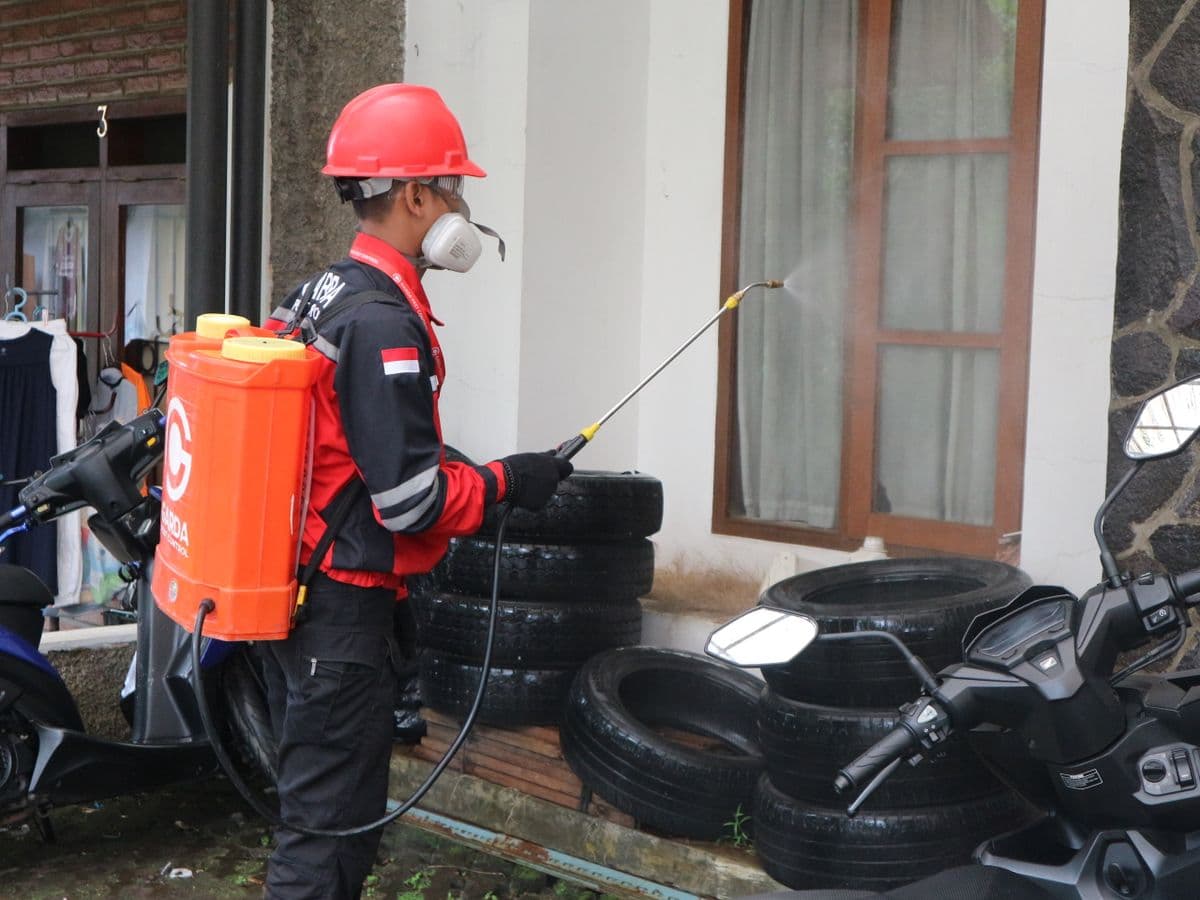
Mazraty supplies high-pressure washers rated for farm use (200-bar, 15-liter/minute), foam generators, and industrial sprayers for both detergent soaking and disinfectant application — all available for same-day collection from the Ras Al Khaimah store.
Record-Keeping for MOCCAE Audits
UAE poultry operations are subject to periodic MOCCAE compliance audits and, in AI surveillance periods, unannounced municipal veterinary inspections. Auditors will request documentation covering the previous 12 months. A complete biosecurity record system should include the following registers:
| Register | Minimum Frequency | Retention Period |
|---|
| Footbath solution change log | Daily | 2 years |
| Vehicle entry and disinfection log | Per vehicle movement | 2 years |
| Disinfectant purchase and batch records | Per purchase | 2 years |
| Rodent station inspection log | Bi-weekly | 2 years |
| Mortality daily count and disposal log | Daily | 2 years |
| C&D completion checklist (per house, per flock) | Per flock cycle | 5 years |
| Personnel entry register (restricted zone) | Per entry/exit | 1 year |
| Wild bird sighting log | As observed | 2 years |
Maintain physical binders on-site and a digital backup. Cloud-based farm management software with biosecurity modules is now available in Arabic and is worth the investment for operations above 50,000 birds.
The Most Dangerous Diseases in UAE Poultry Operations
Understanding what you are protecting against sharpens biosecurity focus and helps prioritize investment in the right control points.
Avian Influenza (AI) — H5N1 and Related Subtypes
AI is the existential threat. Highly Pathogenic AI (HPAI) H5N1 carries a flock mortality rate of 90–100% within 48–72 hours of clinical onset. The virus is introduced almost exclusively by wild waterfowl contact or by infected equipment, personnel, and vehicles. UAE has maintained HPAI-free status with extraordinary vigilance — the biosecurity measures described in this guide are the primary reason. Any suspected AI case must be reported to MOCCAE within 6 hours under Federal Law No. 6 of 1979 on animal quarantine.
Newcastle Disease Virus (NDV)
Velogenic NDV strains can kill 60–80% of an unvaccinated flock within 5–7 days. Vaccinated flocks experiencing field challenge may show 10–30% mortality with significant production losses in survivors. NDV is endemic across the broader GCC region and virus enters UAE operations most commonly via live-bird market contact and insufficiently quarantined day-old chicks.
Infectious Bronchitis (IB)
IB coronavirus is the most economically damaging endemic respiratory disease in UAE commercial flocks. Multiple genotypes circulate including QX, 4/91, and Mass variants. IB causes acute respiratory syndrome in young birds and permanent oviduct damage in pullet rearing. Biosecurity protects vaccination programs by preventing superinfection with heterologous strains that vaccines do not cover.
Infectious Bursal Disease (IBD / Gumboro)
Gumboro destroys the bursa of Fabricius — the central lymphoid organ — producing permanent immunosuppression in affected birds. Immunosuppressed flocks respond poorly to all subsequent vaccination and experience compounded mortality from secondary bacterial infections. IBD virus is exceptionally resistant to environmental disinfection; only glutaraldehyde and chlorine-based products demonstrate reliable virucidal activity against IBD in independent UAE trial data.
All-In All-Out Management: The Non-Negotiable Production Model
All-in all-out (AIAO) management — placing all birds in a house on the same day and removing all birds on the same day — is the single most impactful management practice for controlling age-dependent disease cycling. Continuous or multi-age production allows older birds (in whom mild chronic infections are common) to continuously re-infect younger, immunologically immature birds. Studies in GCC broiler operations show that switching from multi-age to AIAO management reduces cumulative antibiotic use by 40–60% and mortality by 15–25% within two flock cycles.
AIAO requires upfront planning: contract catching crews in advance, align feed delivery schedules, and ensure chick placement contracts with the hatchery specify a delivery window of no more than 6 hours. Mazraty can supply flock-size plastic crates and handling equipment to support your transition to AIAO at scale.
Partner With Mazraty for Complete Biosecurity Implementation in Ras Al Khaimah
Building a compliant, audit-ready biosecurity program for your UAE poultry operation requires equipment that performs reliably under 48°C summer heat, 90% coastal humidity, and the year-round dust conditions of the Arabian Peninsula. Generic agricultural supplies sourced from general wholesalers frequently fail these demands within a single season.
Mazraty, Ras Al Khaimah's leading farm equipment and accessories supplier, stocks the complete range of biosecurity hardware you need: heavy-duty polyethylene footbaths, stainless-steel disinfection arches, UV-stabilized exclusion netting, tamper-resistant rodent bait stations, high-pressure washers, foam detergent generators, dosing pumps, mortality bins, zone signage in Arabic and English, and all four classes of disinfectant chemistry in farm-volume packaging. Our technical team can conduct a farm walk with you and produce a site-specific biosecurity equipment list matched to your house dimensions, bird numbers, and production cycle.
Do not wait for a disease event to assess your biosecurity gaps. Contact Mazraty today on WhatsApp +971 50 535 3412 to book a free biosecurity consultation, request a product catalog, or place an order for same-day collection in Ras Al Khaimah. Protect your birds, protect your investment, and protect your farm's future with systems that are built for the UAE environment.
Reviewed planning sources
These references support operating and welfare principles. Final design and health programs remain site-, strain-, authority- and veterinarian-specific.
Frequently Asked Questions
What is the simplest biosecurity zoning?
Define clean and dirty zones, one controlled entrance, clothing and footwear changes, plus visitor and vehicle records.
Does disinfectant alone prevent infection?
No. Cleaning, organic-matter removal, correct concentration, contact time and prevention of recontamination all matter.