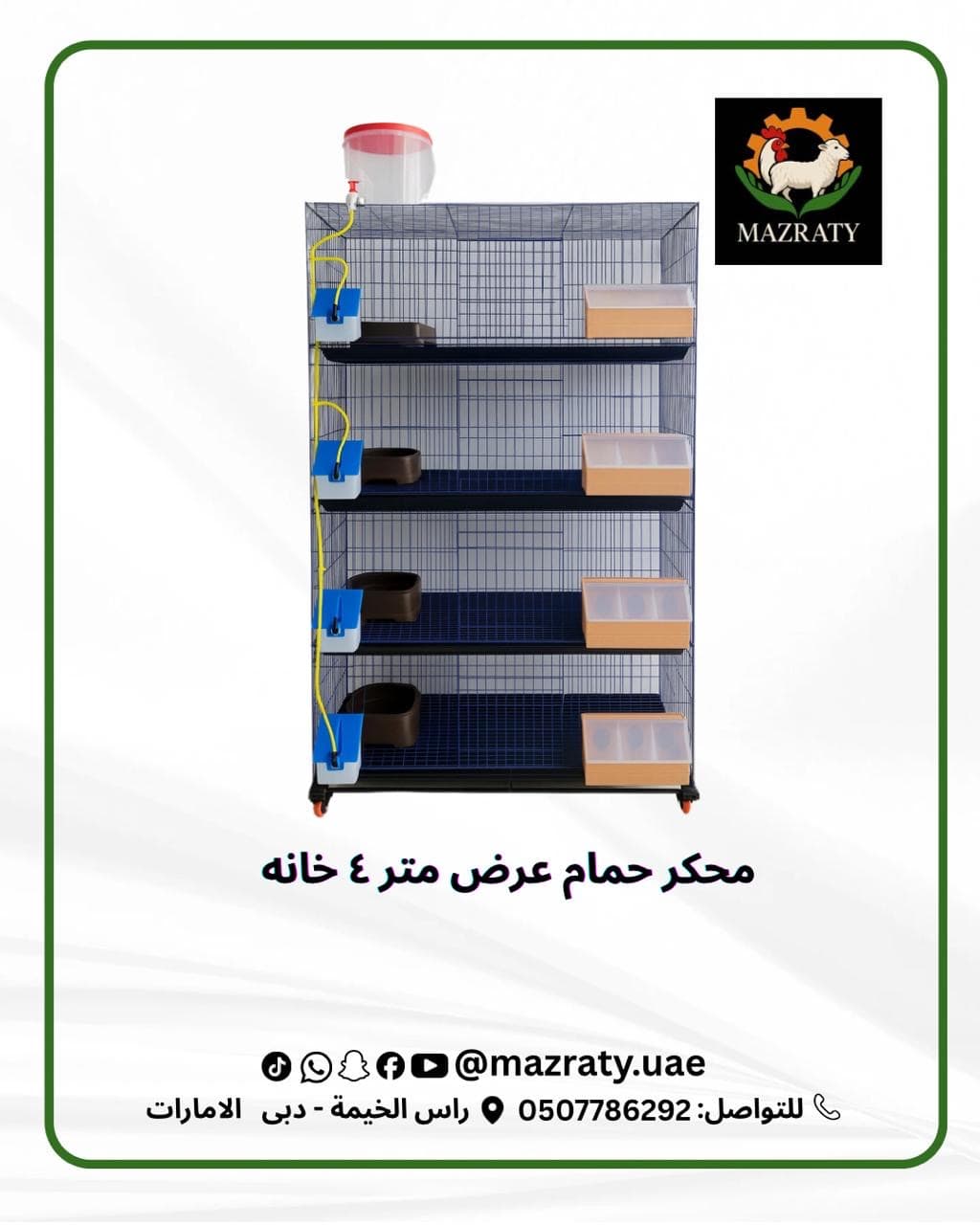
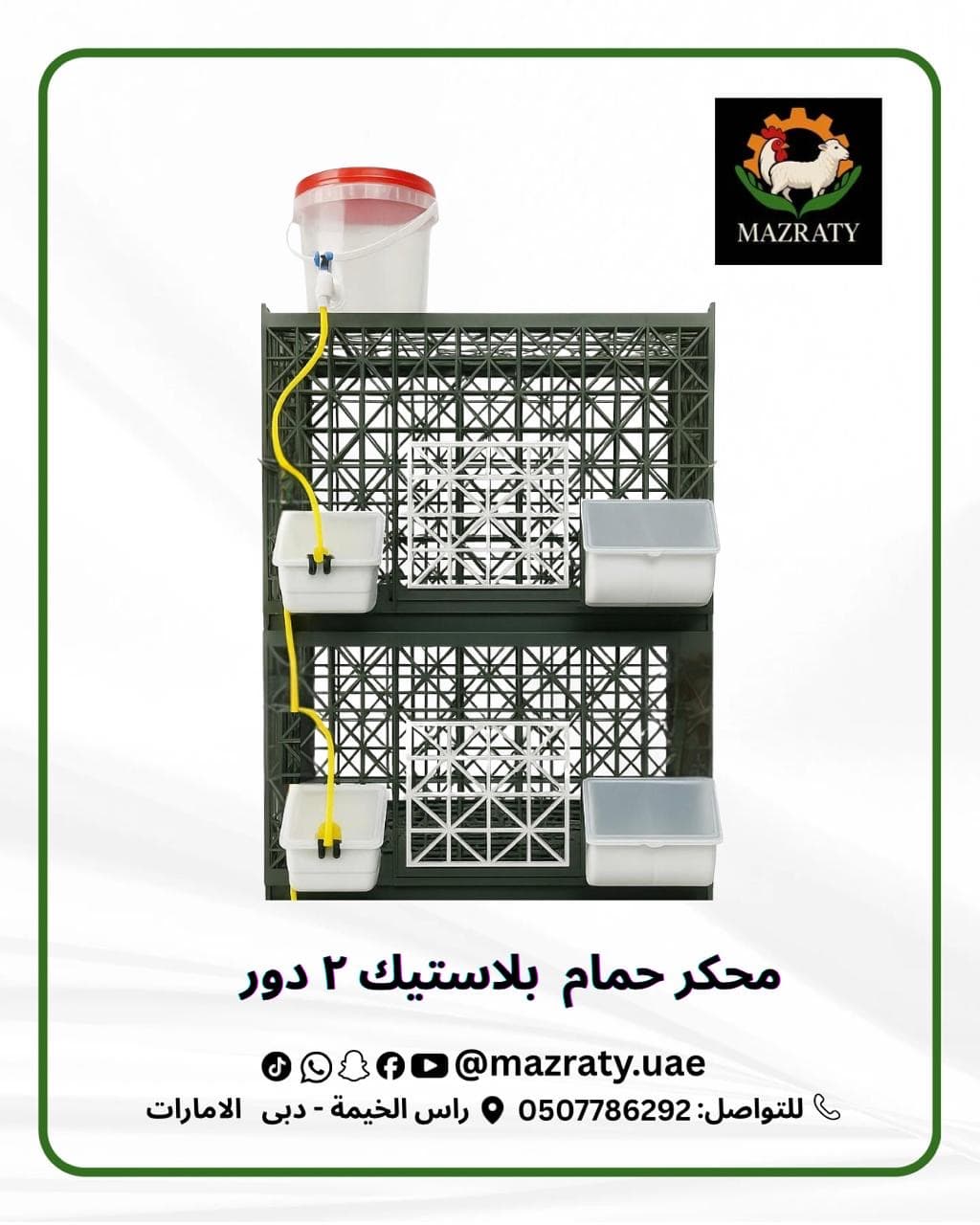
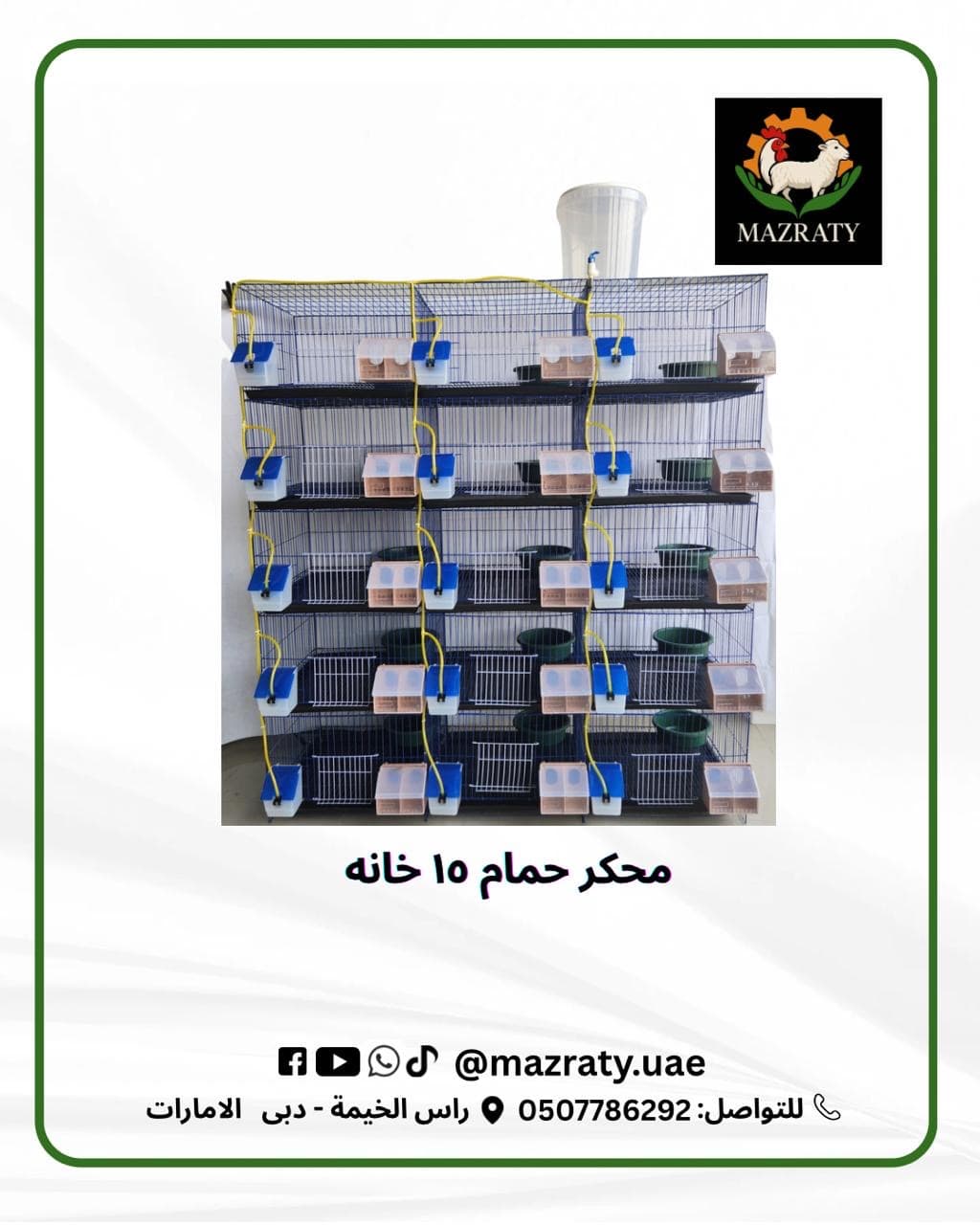
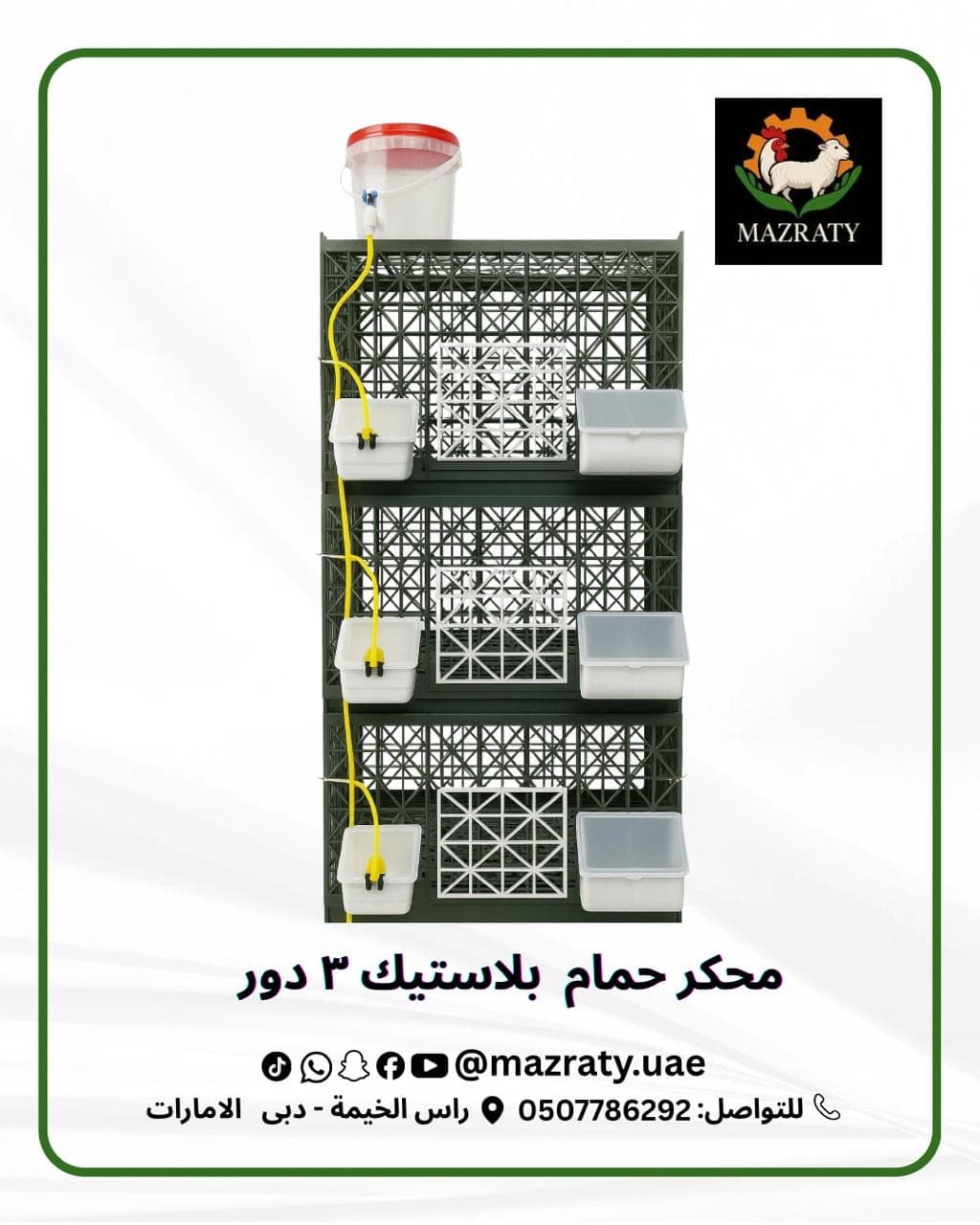
A complete guide to furnishing pigeon lofts with the right equipment in the UAE, covering perches, nesting boxes, drinkers, ventilation and lighting. Mazraty supplies it all.
Professional Pigeon Loft Setup in the UAE: The Complete Accessories and Equipment Guide
Pigeons have been cherished by Gulf and Arab communities for thousands of years — kept for sport racing, ornamental breeding, or simply the timeless pleasure of maintaining a quality loft. While many pigeon keepers invest carefully in choosing the right cage structure and dimensions, the internal furnishing of the loft is what truly determines whether a flock thrives or merely survives. The right perches, nesting boxes, drinkers, lighting, and ventilation make the difference between a productive, healthy colony and one plagued by stress, disease, and poor breeding results.
This comprehensive guide walks you through every element of professional pigeon loft setup specifically suited to UAE conditions — the extreme summer heat, high humidity, desert predators, and year-round sunshine. For any of the equipment described here, Mazraty in Ras Al Khaimah offers free delivery across all Emirates. Reach our team on WhatsApp at +971 50 535 3412.
Perch Types and Their Advantages
The perch is the single most important furnishing element inside any pigeon loft. It is where birds rest, sleep, establish social hierarchy, and bond as pairs. Choosing the wrong type or providing too few perches leads to constant fighting, stress-induced immune suppression, and dramatically reduced breeding performance.
Box Perches
A box perch is a three-sided enclosure, typically 30×30 cm minimum, open at the front. It gives each bird a defined personal space with a strong sense of security and privacy. Box perches are highly favoured by Gulf pigeon keepers for breeding pairs because the enclosed sides reduce interference from neighbouring birds. During the mating and incubation season, the privacy of a box perch helps bonded pairs stay focused and reduces the risk of eggs being abandoned due to disturbance.
- Preferred materials: painted hardwood with non-toxic paint, or ABS plastic (more durable in UAE humidity)
- Minimum height above floor: 60 cm to avoid ground-level moisture
- Quantity: one box perch per bird minimum — add 20% extra to reduce competition
- Placement: rear or side walls, away from direct airflow paths
V-Perches
The V-perch is an angled rod that cradles the bird's feet in a natural resting position, reducing joint pressure compared to flat perches. It is particularly well-suited to adult racers and large breeds whose feet benefit from the relaxed grip angle after long flights. In the UAE, where summer temperatures push above 45°C, V-perches help improve circulation in the feet and lower the risk of heat-related muscle cramps and fatigue in racing birds.
Flat or Board Perches
A flat wooden or plastic board 8-10 cm wide serves well for large numbers of young birds in the weaning and training phases. They are the most cost-effective option and easiest to clean, but they encourage competition at the perch line. Allocate at least 15 cm of perch length per bird to prevent overcrowding and fighting.
Not sure which perch type suits your breed and loft size? Contact Mazraty on WhatsApp +971 50 535 3412 for a free consultation — we have over 20 years of experience advising UAE pigeon keepers.
Nesting Boxes: Correct Dimensions and Materials
The nesting box is the production engine of any pigeon loft. A single error in sizing or material selection can cause pairs to refuse the box, lead to egg loss, or result in chick mortality. Getting these details right from the start saves significant losses down the line.
Optimal Nesting Box Dimensions
- Width: 30-35 cm — allows the pair to take turns on the nest without crowding
- Depth: 30 cm — protects eggs from rolling out when the bird enters or exits
- Height: 25-30 cm — sufficient for movement without wasting vertical space
- Front lip height: 5-7 cm — prevents eggs and young chicks from tumbling out
Materials for UAE Conditions
Solid hardwood with lead-free water-based paint is the traditional choice, but in the UAE's hot, humid environment, many serious breeders now prefer high-density polyethylene (HDPE) plastic for these important reasons:
- Does not absorb moisture — eliminates the mite and mould harbouring that wood is prone to
- Steam-sterilisable between breeding cycles — critical for disease control
- Longer service life in UV-intense and high-temperature conditions
- Lighter weight makes seasonal rearrangement of the loft much easier
Place a round nest bowl inside each box (17-20 cm diameter, 4 cm deep), made of clay or plastic, with a small amount of coarse straw or wheat chaff. In the UAE, always avoid damp or wet nesting material — it generates mould rapidly in the heat and can cause fatal respiratory infections in newly hatched squabs.
Watering Systems: Nipple Drinkers vs Bell Drinkers for Pigeons
Fresh, clean water available at all times is the single most important factor in pigeon health. In the UAE, birds lose fluids rapidly through respiration and evaporation during summer. A single contaminated drinker is capable of spreading coccidiosis or trichomoniasis through an entire flock within days.
Automatic Nipple Drinkers
Nipple drinkers use spring-loaded valve nipples that release water only when a bird touches them with its beak. Their advantages in the UAE environment are significant:
- Water is completely protected from droppings, feathers, and dust — near-zero microbial contamination
- Water wastage reduced by up to 70% compared to open drinkers — important given UAE water costs
- Scalable to long runs in large lofts with simple low-pressure gravity or pump supply
- Requires cleaning only once a week — a major labour saving in multi-loft operations
New birds require 3-5 days of training before they learn to use nipple drinkers reliably. Keep a conventional drinker in place during this transition period, gradually removing it once all birds are drinking confidently from the nipples.
Bell Drinkers
A bell drinker is an inverted plastic container that feeds a circular base tray by atmospheric pressure. It has a lower upfront cost and simpler installation, but its drawbacks in the UAE climate are notable:
- Algae and bacteria accumulate rapidly in the heat — requires daily cleaning to remain safe
- Birds contaminate the open water with their feet and droppings
- Significant evaporation loss during summer, meaning frequent refilling
If you prefer bell drinkers, choose a UV-stabilised, algae-resistant model in a dark colour (navy or black). Mazraty stocks both nipple systems and bell drinkers at competitive prices with free UAE-wide delivery. Get in touch on WhatsApp +971 50 535 3412.
Ventilation Without Drafts
The central challenge of pigeon loft ventilation in the UAE is this: the loft needs powerful airflow to combat heat and ammonia build-up, yet direct drafts hitting resting birds cause respiratory illness. Solving this requires deliberate design of airflow paths rather than random opening placement.
Principles of Correct Ventilation
- Inlet openings: Position at the lower portion of north and east-facing walls, sized at approximately 1 sq cm per 10 sq cm of floor area
- Outlet openings: At the top of walls or in the roof ridge — hot air naturally rises and exits through high openings (convective flow)
- No direct horizontal crossflow: Never place two opposing openings at the same level as the perching positions
- Insect mesh on all openings: 1 mm mesh prevents mosquitoes, which are vectors for West Nile virus — a genuine concern in the UAE
Fans and Active Cooling
Natural ventilation alone is insufficient in UAE summers. Variable-speed exhaust fans (pulling air out rather than pushing it in) fitted at the high outlet positions provide controlled active ventilation. Pair them with evaporative cooling pads on the opposite wall for temperature reduction. Target internal loft temperature of 18-27°C during peak summer months.
Shade Cloth on South and West-Facing Walls
In the UAE, the south-facing wall receives full sun throughout the day, and the west-facing wall is blasted from early afternoon until sunset. Without intervention, these walls act as radiators, driving internal temperatures dangerously high. Fitting shade cloth (70-90% blockage rating) on both walls is one of the most cost-effective improvements you can make to an existing loft.
- Leave a 15-20 cm air gap between the cloth and the wall to allow airflow and prevent heat trapping behind the fabric
- Light colours (white, silver, beige) reflect radiant heat more effectively than dark shades
- HDPE knitted shade cloth rated for UV resistance lasts 5-7 years in Gulf conditions
- Correctly installed shade cloth can reduce wall surface temperature by 8-12°C
Pull-Out Droppings Trays
Hygiene is the foundation of disease prevention in any loft. Pull-out droppings trays positioned beneath perches and nesting boxes transform daily loft management from an arduous task into a quick, efficient routine.
Specifications for Optimal Trays
- Materials: stainless steel or corrosion-resistant ABS plastic — both handle ammonia exposure without degrading
- Depth: 5-8 cm — sufficient capacity for one to two days of droppings accumulation
- Line with fine sand or absorbent paper to simplify cleaning and reduce odour
- Front lip height of 2 cm prevents spillage when drawing the tray out
- Smooth-running stainless rails minimise vibration that could disturb nesting birds
During hot summer months, empty trays daily — droppings ferment rapidly in the heat and release ammonia concentrations that irritate the respiratory tract and cause conjunctivitis in pigeons. Contact Mazraty on WhatsApp +971 50 535 3412 to ask about professional-grade pull-out tray systems and installation services.
Predator Mesh: Choosing the Right Opening Size
The UAE's main predators threatening pigeon lofts are feral and domestic cats, desert snakes (particularly the sand boa), falcons and eagles, and rats. Each requires a different mesh specification to block effectively.
Recommended Mesh Specifications
- Primary outer mesh: 1.2×1.2 cm opening — blocks rats and small snakes while maintaining good airflow
- Double mesh on lower section (up to 60 cm from ground): 0.5×0.5 cm — excludes juvenile snakes and small mice
- Insect mesh on ventilation openings only: 1 mm — mosquito and insect barrier
- Wire gauge: Minimum 1.2 mm diameter, hot-dip galvanised for maximum corrosion resistance in UAE coastal humidity
Avoid plastic mesh on external panels entirely — cats and snakes puncture it easily. Galvanised welded wire mesh is the only reliable choice for predator exclusion in the UAE environment. Inspect the mesh weekly for any signs of damage or attempted entry.
Lighting for Breeding Stimulation
Light is the primary regulator of reproductive hormones in pigeons. Deliberate control of the light cycle allows you to manage breeding seasons, prevent year-round exhaustion of breeding pairs, and achieve consistent productivity across the calendar year.
Lighting Principles for the Pigeon Loft
- Daily photoperiod for stimulation: 14-16 hours of light per day activates the reproductive glands
- Gradual transitions: Increase or decrease photoperiod by 15-30 minutes per week — sudden changes cause physiological stress and breeding interruptions
- Appropriate light intensity: 10-30 lux at perch level — higher intensities cause aggression and restlessness
- Lamp type: Warm white LED (2700-3000K) produces better hormonal response than cool white fluorescent
Automatic Lighting Timer
Installing an electronic timer to program light hours is essential for any professional loft operation. It eliminates human error, ensures consistency even on weekends and holidays, and allows precise seasonal adjustments. Choose a timer rated for outdoor or high-humidity environments — the standard indoor type will corrode in a loft setting. Dust and splash-proof models are available through Mazraty.
Flooring Materials and Litter for UAE Lofts
While flooring systems deserve their own full discussion, no loft equipment guide is complete without addressing appropriate litter materials for the UAE's specific conditions:
- Fine river sand: Natural, moisture-absorbent, easy to remove droppings from, and provides the grit that pigeons need for digestion — the best all-round choice for UAE lofts
- Pine shavings: Good absorbency but replace every 5-7 days in summer to prevent mould growth
- Avoid: Rice straw, damp hay, or any wet organic material — these generate Aspergillus fungal spores extremely rapidly in UAE heat and cause fatal respiratory infections
Estimated Equipment Costs in the UAE
For those planning a new loft build or refurbishment, here are realistic cost ranges in UAE Dirhams for a medium-scale loft housing 20-30 pairs:
- Box perches (30 units): AED 300-600
- Nesting boxes (30 units): AED 450-900
- Complete nipple drinker system: AED 200-400
- Pull-out droppings trays (10 units): AED 250-500
- Predator mesh (3×4 m loft): AED 350-700
- LED lighting + automatic timer: AED 100-200
- Shade cloth (south and west walls): AED 200-400
Estimated total: AED 1,850-3,700 for a fully equipped professional loft. Contact Mazraty on WhatsApp +971 50 535 3412 for accurate pricing on your specific requirements.
Maintenance Schedule for Loft Equipment
- Daily: Empty droppings trays, check water levels, remove loose feathers from perch areas
- Weekly: Clean and disinfect drinkers, inspect all mesh for damage, check internal temperature readings
- Monthly: Steam-sterilise nesting boxes, inspect electrical wiring and timer, adjust lighting programme for the season
- Seasonally: Replace all litter, complete structural inspection of mesh framework, service cooling system before summer
Why Choose Mazraty for Your Pigeon Loft Equipment
Mazraty, based in Ras Al Khaimah, has been supplying and installing farm and aviary equipment across the UAE for over 20 years. We understand the unique demands of the Gulf climate and stock equipment specifically suited to UAE conditions. Our services include:
- Free delivery to all UAE Emirates on every order
- Free pre-purchase consultation on loft planning and equipment selection
- Professional on-site installation service
- Warranty on all supplied equipment
- Genuine spare parts and after-sales support
Reach our team now on WhatsApp +971 50 535 3412. We are ready to help you build or upgrade your pigeon loft to the professional standard your flock deserves.
Reviewed planning sources
These references support operating and welfare principles. Final design and health programs remain site-, strain-, authority- and veterinarian-specific.
Frequently Asked Questions: Pigeon Loft Setup in the UAE
What is the best perch type for racing pigeons in the UAE?
Box perches are the top recommendation for racing pigeons because they give each bird a defined, secure home position that reduces competition and stress. This is particularly important after long races when birds need undisturbed rest to recover. In the UAE, opt for plastic or UV-stabilised painted hardwood to avoid moisture-related degradation of wooden perches.
Are nipple drinkers better than bell drinkers for pigeons in UAE summers?
Yes, nipple drinkers are significantly superior in the UAE summer environment. They protect water from contamination completely, reduce water waste by up to 70%, and require far less cleaning labour. The higher initial cost is quickly offset by savings on disease treatment and water bills. Bell drinkers remain an acceptable secondary option when used with daily cleaning discipline.
What mesh size prevents snakes from entering a pigeon loft in the UAE?
Use 1.2 cm mesh as the primary outer layer across the full loft, with an additional 0.5 cm mesh layer on the lower 60 cm to exclude juvenile snakes that can pass through larger openings. Always use galvanised welded wire mesh rather than plastic — snakes and cats can bite through plastic mesh easily. Weekly inspection of mesh integrity is essential.
How many hours of light per day do breeding pigeons need?
14 to 16 hours of light per day is the optimal photoperiod to activate pigeon reproductive hormones. Increase or reduce the daily photoperiod gradually at 15-minute increments per week to avoid stress. Use an automatic timer to ensure consistency, and choose warm white LED bulbs (2700K) which produce a better hormonal response than cool white light.
How often should nesting boxes be cleaned in the UAE's hot climate?
Nesting boxes should be thoroughly cleaned and disinfected after every breeding cycle (approximately every 30 days). During peak UAE summer months (June through September), inspect and spot-clean boxes every two weeks to prevent mould and mite infestations. Steam sterilisation or a 1% Virkon solution are the most effective disinfection methods for pigeon nesting boxes.
Where can I buy professional pigeon loft equipment in the UAE?
Mazraty in Ras Al Khaimah supplies the complete range of pigeon loft equipment including perches, nesting boxes, nipple and bell drinker systems, predator mesh, pull-out droppings trays, lighting timers, and shade cloth — with free delivery across all UAE Emirates. Contact us on WhatsApp +971 50 535 3412 to place an order or request a quote.