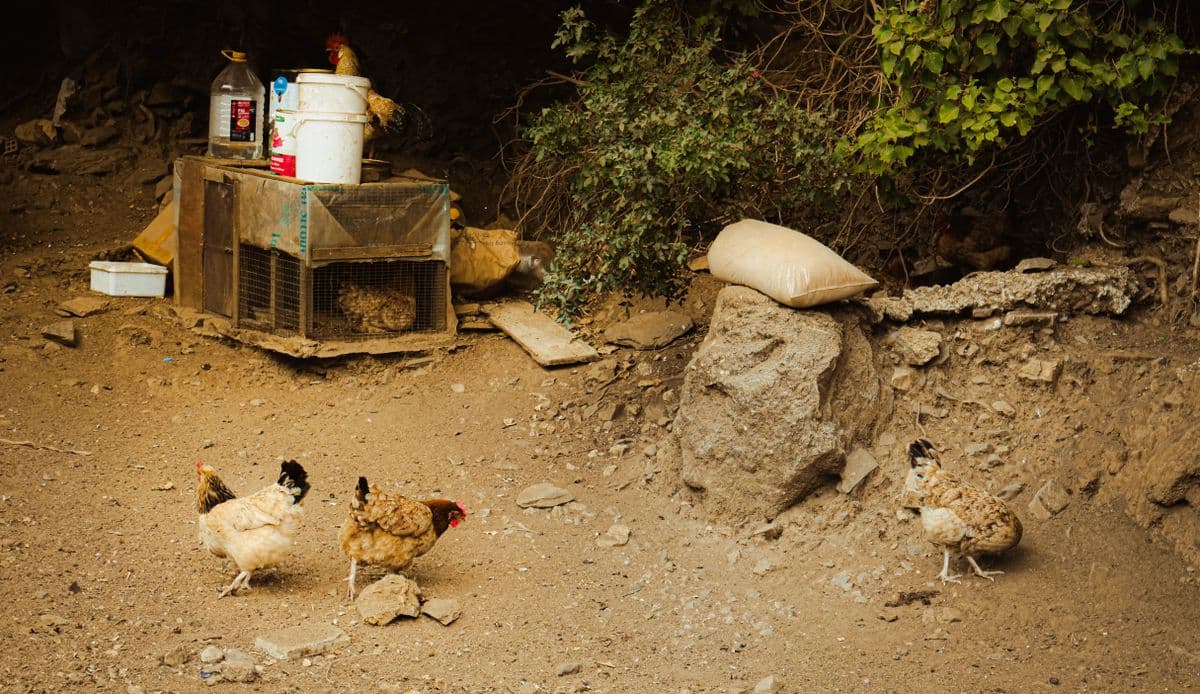
Keeping chickens at home in the UAE is more achievable than most villa owners realize — but only if you start with the right equipment, the right breeds, and a clear understanding of local municipality rules. This guide covers everything from permit requirements across all seven emirates to choosing compact cage systems suited for 20 to 500 birds in a residential setting. You will learn which heritage and dual-purpose breeds thrive in Ras Al Khaimah's summer heat, how to set up automatic nipple drinkers and complete pellet feeding systems, and how to protect your flock from UAE-native predators including foxes and feral cats. We also walk through seasonal management strategies, egg hygiene, halal home slaughter, and the realistic path from a backyard hobby setup to a small commercial operation of 500 birds. Mazraty, Ras Al Khaimah's leading farm equipment supplier, stocks every component you need — from starter cages to professional egg-handling trays.
In Abu Dhabi, the Abu Dhabi Agriculture and Food Safety Authority (ADAFSA) requires a farm registration certificate for any poultry operation, including small-scale backyard flocks. Fees for small-scale registration typically range from AED 200 to AED 800 annually.
In Ras Al Khaimah — where Mazraty is based — the RAK Municipality is considerably more accommodating of small-scale home poultry keeping, especially in villa compounds and semi-rural residential areas. Properties with plot sizes above 500 square metres can typically keep up to 50 birds without formal licensing. For flocks of 50 to 500 birds, a simple farm registration with the RAK Agriculture and Livestock Department is required, costing AED 150 to AED 400.
In Sharjah, Ajman, Umm Al Quwain, and Fujairah, the rules are more permissive than Dubai, with informal backyard keeping widely tolerated in older residential neighbourhoods and entirely legal in agricultural zones. Always verify with your local municipality before purchasing equipment, as zone classifications can change.
Practical tip: Regardless of emirate, keeping records of your birds' health, feed purchases, and any veterinary visits protects you legally and is good biosecurity practice. Mazraty can provide a basic flock management logbook when you purchase a cage system.
Choosing the Right Breeds for UAE Homes and Villas
Breed selection is the single most important decision a home poultry keeper makes. The wrong breed will suffer in UAE summer temperatures, produce poorly, and create unnecessary management challenges. The right breed will thrive with minimal intervention.
Australorp: The Workhorse Dual-Purpose Breed
The Black Australorp holds the world record for egg production — 364 eggs in 365 days — and adapts well to warm climates. In the UAE, expect 250 to 290 eggs per hen per year in properly managed home conditions. Australorps are calm, easy to handle, grow to 3–4 kg at slaughter weight, and tolerate confinement well. This is the top recommendation for villa owners who want both table eggs and occasional meat birds.
Fayoumi: The Desert-Hardy Heritage Breed
Originating from Egypt's Fayoum region — a climate not unlike the UAE interior — the Fayoumi is exceptionally heat-resistant and disease-resistant. They are smaller birds (1.5–2 kg) and somewhat flighty, but their feed conversion ratio is excellent at extreme temperatures. Fayoumis begin laying at just 16–18 weeks and produce 150–180 medium-sized eggs per year. Ideal for keepers who want a low-maintenance, hardy flock.
Bare Neck: Built for the Heat
The Bare Neck breed has a naturally featherless neck that increases heat dissipation by up to 25%. Scientific studies show Bare Necks maintain body temperature 1.5°C lower than fully feathered breeds at ambient temperatures above 35°C. In UAE summer conditions where temperatures regularly exceed 42°C, this physiological advantage is significant. They produce 180–220 eggs per year and are dual-purpose with good meat yield.
Sultan Hejazi: The Regional Heritage Bird
The Sultan Hejazi (Arabic chicken or Dajaj Baladi) is a heritage breed historically kept across the Arabian Peninsula. It is supremely adapted to Gulf climate conditions and produces eggs that many UAE consumers perceive as superior in taste and yolk quality. Egg production is lower (120–160 per year), but the breed commands a significant price premium at market. Mazraty can source Sultan Hejazi day-old chicks from local hatcheries for customers setting up home flocks.
Compact Cage Systems for 20 to 100 Birds: What Mazraty Stocks
The cage system you choose defines your daily workload, your biosecurity level, your feed efficiency, and ultimately your egg production outcomes. For home and villa settings, compact systems that make efficient use of vertical space are the clear choice over ground-run setups — they are cleaner, easier to manage, and easier to protect from predators.
Battery Cage Systems for 20–50 Birds
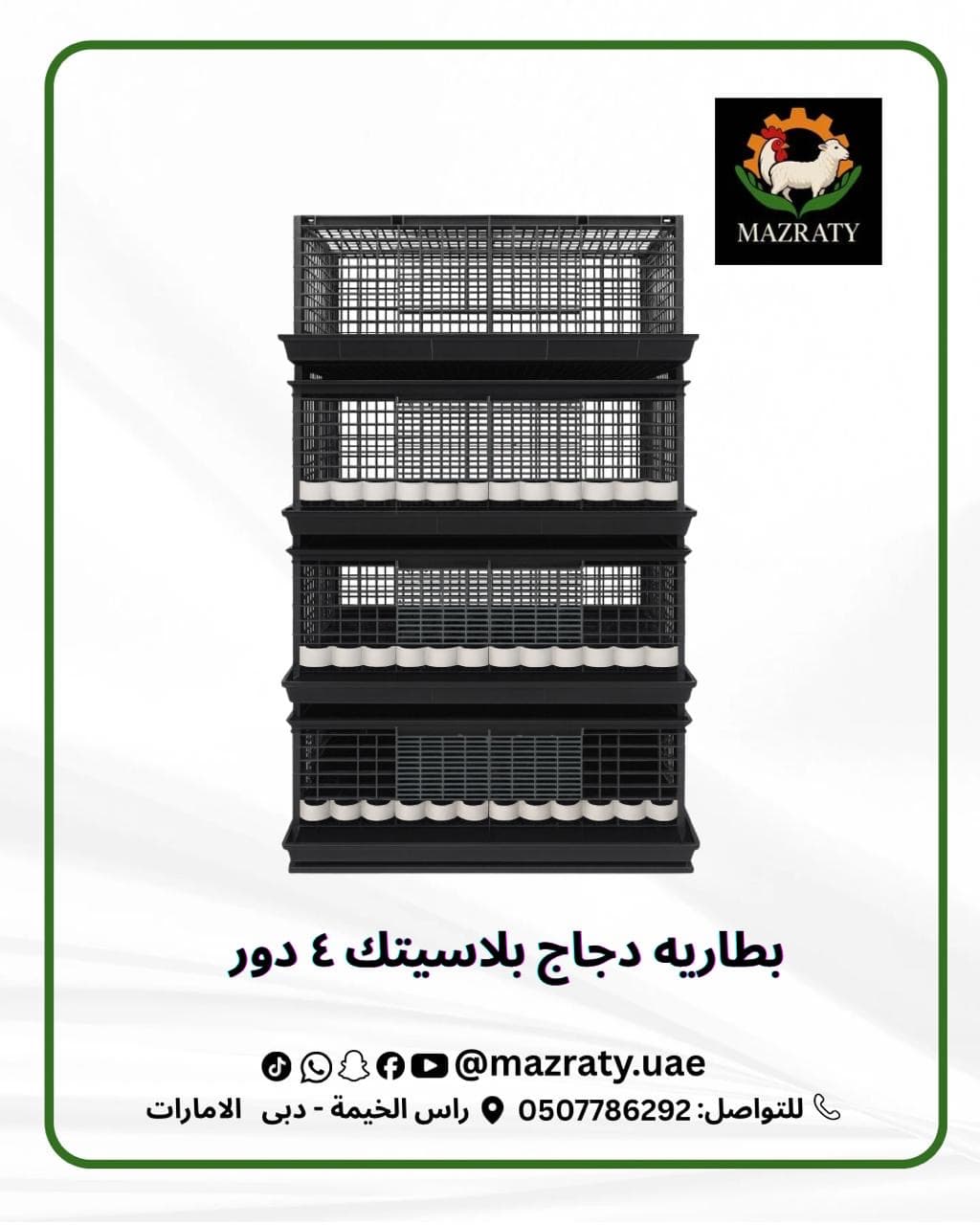
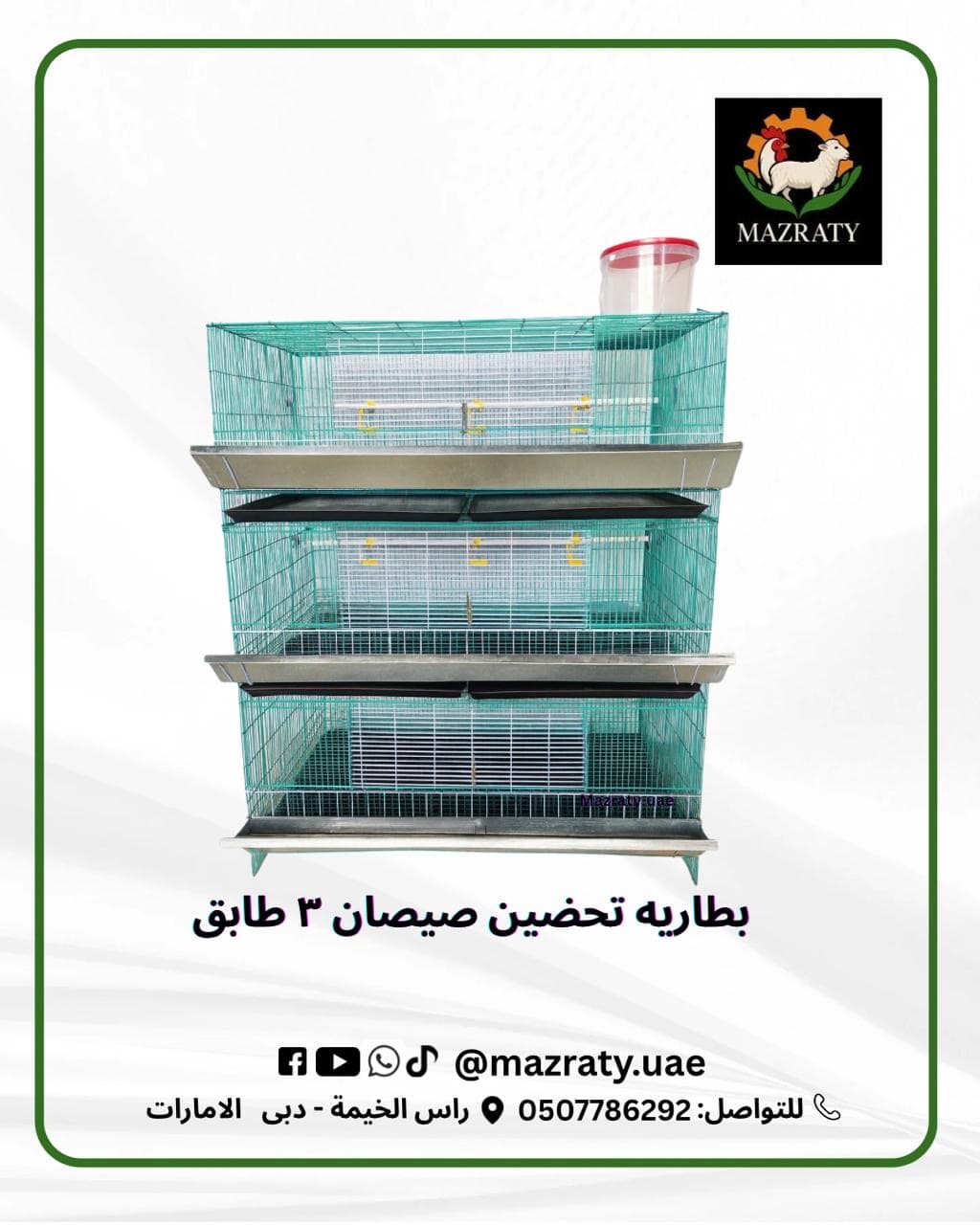
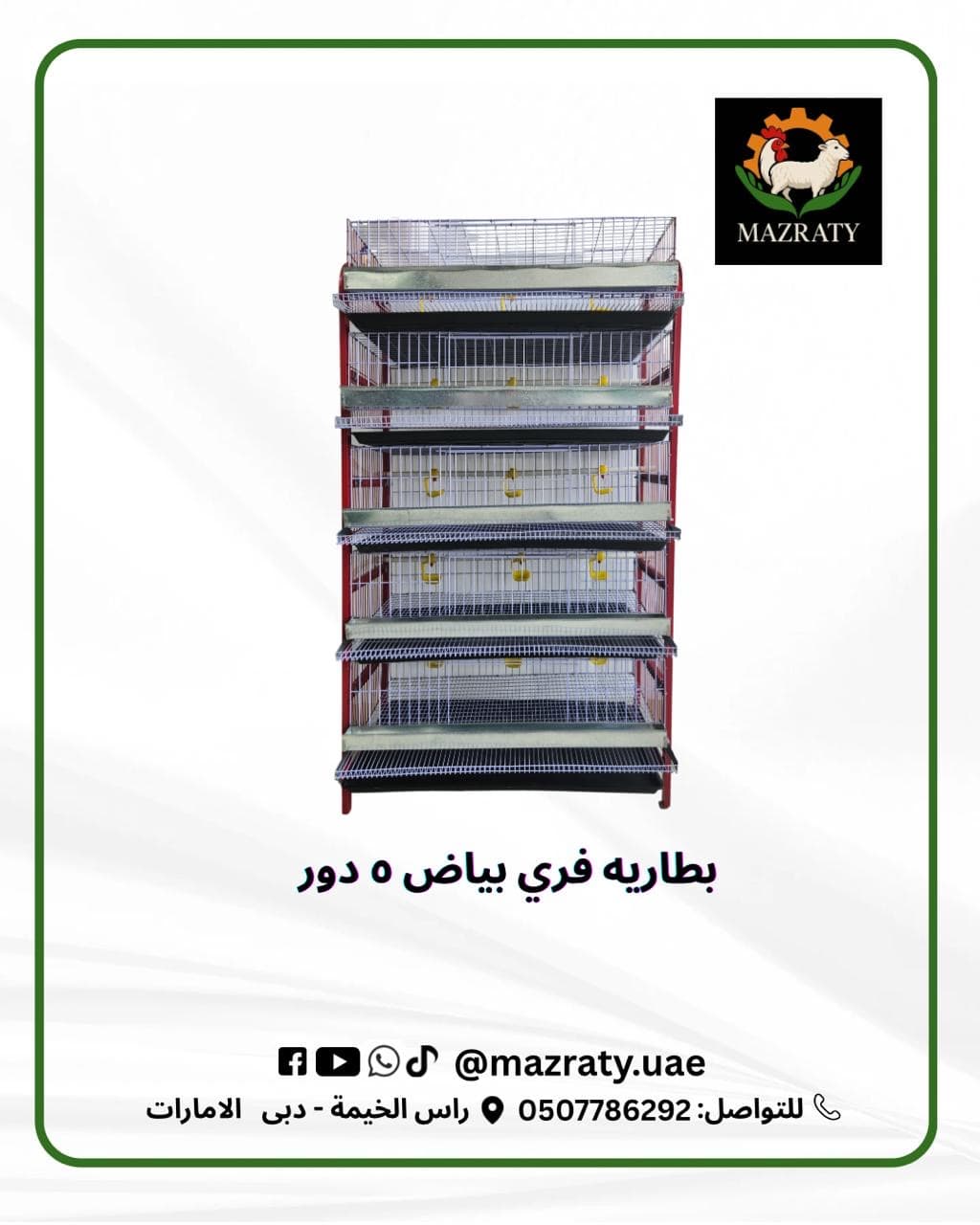
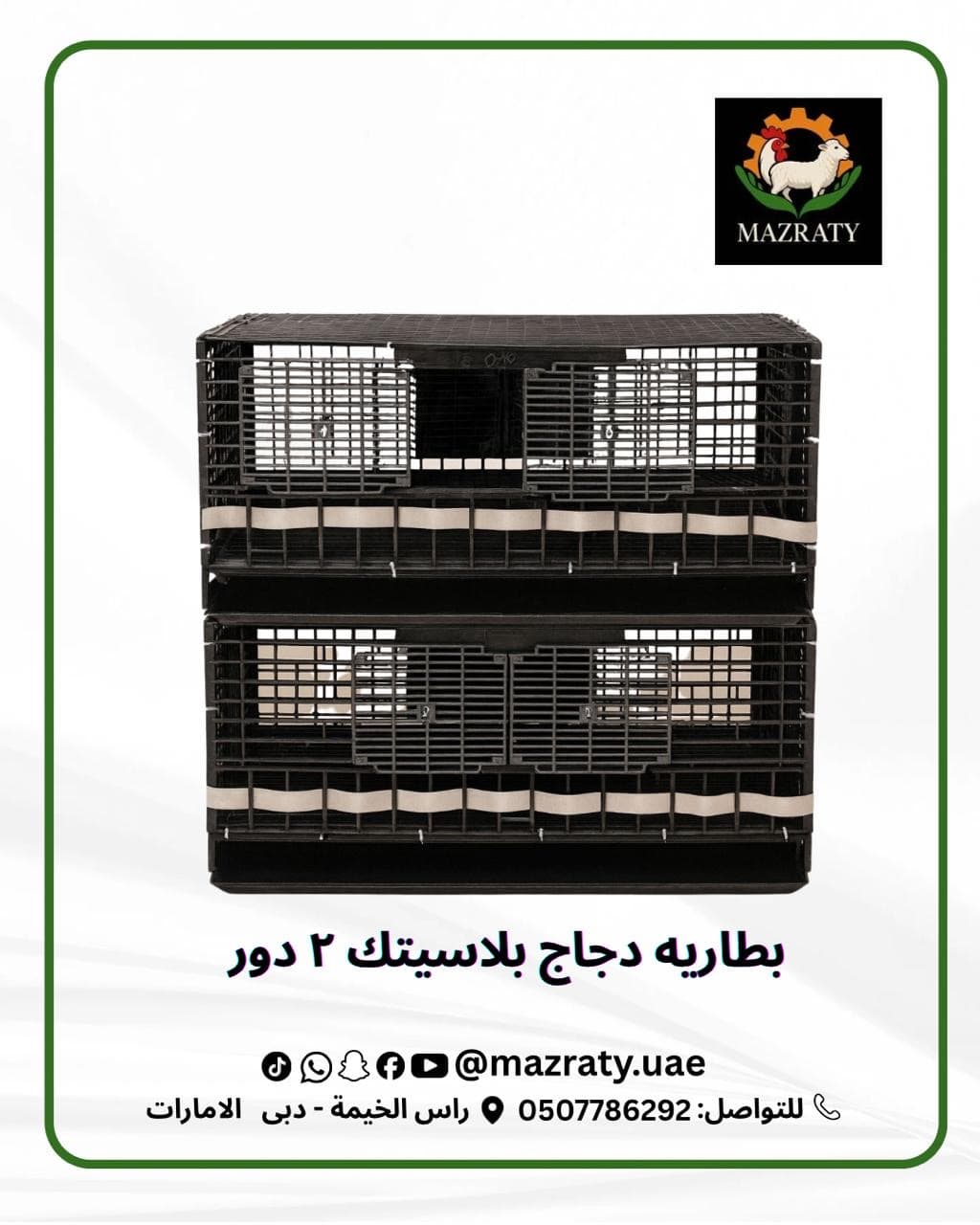
For a starter flock of 20 to 50 hens, a 3-tier or 4-tier battery cage unit with galvanized steel construction is the standard solution. Mazraty supplies units sized 2.0m x 0.5m x 1.8m (L x W x H) that house 40 to 60 birds comfortably at the UAE-standard stocking density of 450–500 cm² per bird. These units include:
- Automatic egg roll-out trays (eggs roll to the front for easy collection)
- Integrated manure trays with slide-out cleaning access
- Front-mounted galvanized wire feeding troughs (12 cm per bird)
- Nipple drinker lines with 1 nipple per 5–8 birds
- Hot-dip galvanized finish rated for 10+ years in Gulf humidity conditions
Price range for a 40-bird complete unit: AED 1,800 to AED 2,400 depending on tier configuration and accessories included. Delivery and installation in RAK and Northern Emirates is available through Mazraty.
Modular Panel Systems for 100–500 Birds
When you scale beyond 100 birds, modular H-frame cage panels allow you to configure the layout to your available space. Mazraty supplies 4-tier H-frame panels in 1.0m wide sections that can be linked to any required length. Each 1-metre section houses 16 birds (4 birds per tier), meaning a 500-bird setup requires approximately 32 metres of cage run, fitting comfortably in a 6m x 6m enclosed structure.
For 500 birds, the indicative equipment investment from Mazraty breaks down as follows:
| Component | Specification | Approx. Cost (AED) |
|---|
| H-frame cage panels | 32 x 1m sections, 4-tier | 14,000 – 18,000 |
| Nipple drinker system | 100 nipples on 10 lines | 1,200 – 1,800 |
| Feed hopper and trough | 32m continuous trough | 2,000 – 2,800 |
| Exhaust fans (2 units) | 50cm diameter, 3-speed | 1,400 – 2,000 |
| Misting system | High-pressure, 20 nozzles | 800 – 1,200 |
| Lighting timer | 16h photoperiod control | 200 – 400 |
| Total (approximate) | | 19,600 – 26,200 |
Feeding Systems: Complete Pellet vs Homemade Scratch
Feed is your largest recurring cost — typically 65–75% of total production cost per egg. Getting the feed strategy right determines whether your home flock is an enjoyable hobby or a frustrating money sink.
Commercial Complete Layer Pellets
Complete layer pellets (16–18% crude protein, 3.5–4.0% calcium, 0.35–0.45% available phosphorus) are the safest and most consistent feeding option for beginners. In the UAE, commercial layer pellets are available in 25 kg bags at AED 55–90 depending on brand and protein level. Consumption rate is approximately 110–130 grams per bird per day for a medium-sized layer breed. For 100 birds, expect to use one 25 kg bag every 2–2.5 days, costing approximately AED 900–1,100 per month in feed alone.
Homemade Scratch and Grain Mixes
Experienced keepers with access to grain suppliers can reduce feed costs by 20–35% using a home-mixed scratch diet. A practical UAE recipe for layers:
- 50% yellow maize (ground or whole)
- 20% wheat bran or barley
- 15% soybean meal (44% protein)
- 7% limestone powder (for calcium and shell quality)
- 5% fishmeal (local UAE source: dried sardine meal)
- 3% premix vitamins and minerals
This mix achieves approximately 16–17% crude protein. Mazraty stocks vitamin-mineral premix sachets suitable for home mixing.
Recommendation: Use complete pellets for your first six months. Once you understand your flock's production patterns and have reliable local grain suppliers, you can consider transitioning to a home mix with careful monitoring.
Automatic Nipple Drinkers: Essential for Small UAE Coops
Open water containers in UAE conditions are a biosecurity and management disaster. Within hours, open drinkers in a small coop accumulate feed debris, droppings, feathers, and algae — especially at summer temperatures above 40°C where bacterial growth is explosive. Automatic nipple drinkers are non-negotiable for any serious home flock.
Mazraty supplies nipple drinker systems in several configurations:
- Horizontal nipple systems: Best for cage setups. Flow rate 30–60 ml per minute per nipple. One nipple per 5–8 birds.
- 360-degree cup nipples: Better for chicks and slow drinkers. Catches drips to prevent litter wetting.
- Complete drinker kits for 50 birds: Include 10-metre PVC line, 10 nipples, header connector, pressure regulator, and float valve — AED 280–380 from Mazraty.
In summer, flush nipple lines with fresh water every morning to prevent warm stagnant water from the overnight period. Water temperature above 30°C significantly reduces voluntary intake — birds will drink 30–50% less, causing immediate production drops and heat stress risk.
Egg Production Targets for Home Hens in UAE Conditions
Setting realistic expectations prevents disappointment. Home flocks will not match commercial cage performance, and UAE summer conditions impose a seasonal production dip that every keeper must plan for.
Realistic annual production targets per hen in a well-managed UAE home setting:
- Australorp: 240–270 eggs/year (drops to 60–70% production rate July–September)
- Fayoumi: 140–170 eggs/year (maintains better summer production than most breeds)
- Bare Neck: 170–200 eggs/year (strong summer performance)
- Sultan Hejazi: 110–140 eggs/year (premium price offsets lower volume)
A flock of 20 Australorps in good condition will produce 12–16 eggs per day on average through the productive year — enough to supply a family of 6–8 with eggs and have surplus to share or sell to neighbours. At a conservative UAE home sale price of AED 1.50 per egg, 20 birds producing 200 eggs/month generates AED 300/month in egg value.
Neighbour, HOA, and Community Considerations in UAE Villas
Technical legality and social acceptance are two different things. In UAE villa compounds with homeowners associations or jointly managed facilities, keeping poultry — even legally — can create friction with neighbours. Proactive management prevents complaints before they become formal disputes.
Key considerations:
- Odour control: The primary complaint trigger. Manure must be removed at minimum every 48 hours in summer (24 hours is better). Composting manure on-site in a covered bin reduces odour significantly.
- Noise: Hens are relatively quiet. Roosters are not. Most UAE residential areas will not tolerate a rooster — keep an all-hen flock for eggs.
- Pest attraction: Secure feed storage in rodent-proof metal containers. Open feed bins attract rats within days in UAE conditions.
- Aesthetic management: A clean, enclosed cage system in a shaded corner of the garden is far more neighbour-friendly than a free-range setup. Mazraty's galvanized cage units look professional and contained.
Predator Protection: UAE-Specific Threats
The UAE has a specific set of predators that home poultry keepers must account for:
- Arabian Red Fox (Vulpes vulpes arabica): Common in semi-rural areas of RAK, Fujairah, and Al Ain outskirts. Highly intelligent, capable of digging under poorly secured enclosures. Will attack during both night and early morning hours.
- Feral and domestic cats: The UAE's enormous feral cat population poses a serious threat to chicks and young pullets. Even adult Fayoumis (1.5 kg) can be killed by a large tom cat. Ensure cage wire apertures are no larger than 2.5 cm x 2.5 cm on all sides.
- Dogs: Free-roaming domestic dogs in villa areas and feral dogs in industrial zones can cause mass panic deaths through stress even without physical contact.
- Rats: Serious overnight threat to chicks and eggs. Rats will kill chicks through cage wire and eat eggs. Secure all cage floors with no-gap hardware cloth and maintain a rat-bait perimeter.
Mazraty supplies heavy-gauge galvanized hardware cloth (14-gauge, 1-inch hex or 1/2-inch square mesh) for reinforcing cage enclosures, as well as predator-proof locking mechanisms for cage doors.
Seasonal Management: Surviving UAE Summers in Small Enclosures
This is where most home poultry projects in the UAE fail. Summer temperatures in Ras Al Khaimah regularly exceed 43°C ambient, with relative humidity reaching 85–95% during the Khareef period in late July and August. Inside an unventilated cage enclosure, temperatures can be 5–8°C higher than ambient — pushing birds into dangerous heat stress territory above 35°C core body temperature.
Shade and Structure
The enclosure must be in full shade between 9:00 AM and 6:00 PM. If natural shade is unavailable, install a shade net rated at 80% UV block above and on the southern and western faces of the cage structure. Shade nets from Mazraty in 6m widths: AED 8–12 per square metre installed.
Ventilation and Fans
Natural ventilation is insufficient during UAE summer. Install exhaust fans at the high point of the structure and intake openings at low points on the shaded side. For a 50-bird enclosure of 4m x 3m, a single 50 cm diameter fan moving 2,500–3,000 m³/hour provides adequate air exchange. Mazraty stocks agricultural exhaust fans with variable speed control: AED 380–650 per unit.
Misting Systems
High-pressure misting (operating at 50–80 bar) evaporates water before it reaches the birds, lowering ambient temperature by 6–10°C without wetting litter or birds. For small coops, a low-pressure garden misting kit (10–15 bar) provides 3–5°C cooling at much lower cost: AED 180–350 for a 20-nozzle kit. Run misting during the hottest hours (11:00 AM – 4:00 PM). Avoid over-misting when humidity exceeds 80%.
Electrolytes and Feed Timing
In extreme heat, provide electrolyte supplements in drinking water (Vitamin C + sodium bicarbonate + potassium chloride) to replace minerals lost through panting. Shift feeding times to early morning (5:00–7:00 AM) and late evening (6:00–8:00 PM). Mazraty stocks electrolyte sachets for poultry: AED 15–25 per pack (treats 500L of water).
Halal Slaughter and Home Processing
Many UAE home flock keepers maintain dual-purpose or meat breeds precisely because they want traceable, home-processed halal meat. The process is legal for personal consumption in all emirates, provided it is done hygienically and out of public view.
Practical home halal processing for 5–10 birds:
- Fast birds 8–12 hours before slaughter (water available throughout)
- Use a sharp, clean knife — the blade must sever the trachea, oesophagus, and both carotid arteries in a single continuous cut
- Allow full blood drainage (minimum 3 minutes) before scalding
- Scald at 60–62°C for 45–60 seconds for easy feather removal
- Eviscerate on a clean, sanitised surface; cool carcasses to below 4°C within 30 minutes
Mazraty can supply basic processing equipment including scalding pots and manual plucking drums for home use (12-bird manual drum: AED 450–650), and food-safe chilling containers.
Egg Handling Hygiene for Home Flocks
Home flock eggs are not sterile. Proper handling prevents Salmonella contamination and extends shelf life significantly.
- Collect eggs at least twice daily — once at 7:00 AM and once at 3:00 PM
- Do not wash eggs unless visibly soiled — washing removes the natural bloom (cuticle) that protects against bacterial penetration
- Wipe soiled eggs with a dry cloth or very slightly damp cloth, never soak
- Store at consistent temperature: refrigerator (4°C) gives 6–8 weeks shelf life; room temperature (25°C UAE) gives 10–14 days maximum
- Date stamp each egg with a pencil (never a pen — ink can penetrate the shell)
Mazraty stocks cardboard egg trays (30-egg, food-grade) in bulk for home and small-scale producers: AED 0.40–0.60 per tray in packs of 100.
Expanding from Backyard to Small Commercial: The 500-Bird Threshold
The transition from a hobby flock of 20–50 birds to a commercially viable small farm of 500 birds is not just a multiplication — it is a fundamentally different management operation. At 500 birds, you enter UAE small-farm licensing territory, require dedicated farm infrastructure, and need to think about market access for your eggs or birds.
Key milestones and considerations in the scale-up journey:
- 50–100 birds: Can be managed in 2–3 hours per day. Semi-automatic feeding and nipple drinkers are sufficient. One person can manage alone.
- 100–300 birds: Daily management time rises to 4–5 hours. Automatic egg collection trays become economically justified. Feed storage requires a dedicated 1-tonne bin. RAK Agriculture registration required.
- 300–500 birds: At this scale, you are producing 200–300 eggs per day with a well-performing flock. You need a dedicated farm assistant, formal feed purchasing contracts, and a plan for egg sales to restaurants, home delivery routes, or neighbourhood cooperatives.
At 500 birds producing 270 eggs/day (conservative 70% lay rate) and selling at AED 1.20 per egg wholesale, monthly egg revenue reaches approximately AED 9,720. Feed cost for 500 birds at 120g/day equals approximately AED 5,250/month. Gross margin before labour and depreciation: AED 4,470/month — a viable small business.
Mazraty offers a free consultancy visit for customers planning to scale to 200 birds or more, assessing your available space, water supply, ventilation potential, and recommending the specific cage configuration and ancillary equipment needed to hit production targets.
Get Your Complete Home Poultry Setup from Mazraty
Whether you are starting with 20 hens in a villa garden or planning a structured 500-bird small farm in Ras Al Khaimah, Mazraty is your single source for every piece of equipment covered in this guide — compact battery cage units, modular H-frame systems, automatic nipple drinker kits, exhaust fans, high-pressure misting systems, shade netting, hardware cloth, egg trays, electrolyte supplements, and complete layer pellet feed. Our team understands UAE poultry conditions because we operate in them every day. We deliver across Ras Al Khaimah, Fujairah, Umm Al Quwain, and Sharjah, and we offer installation support for cage systems. Call or WhatsApp us on +971 50 535 3412 to discuss your setup, get a personalised equipment list, and receive a competitive quotation. Starting your home flock the right way — with the right equipment from day one — is the difference between a rewarding experience and a costly frustration.
Reviewed planning sources
These references support operating and welfare principles. Final design and health programs remain site-, strain-, authority- and veterinarian-specific.
Frequently Asked Questions
Can chickens be kept at home in the UAE?
Check municipality, property and community rules first, then manage hygiene, noise, welfare and neighbour impact.
What equipment does a small flock need?
Safe shaded housing, suitable drinkers and feeders, ventilation, sealed feed storage, cleaning tools and monitoring.