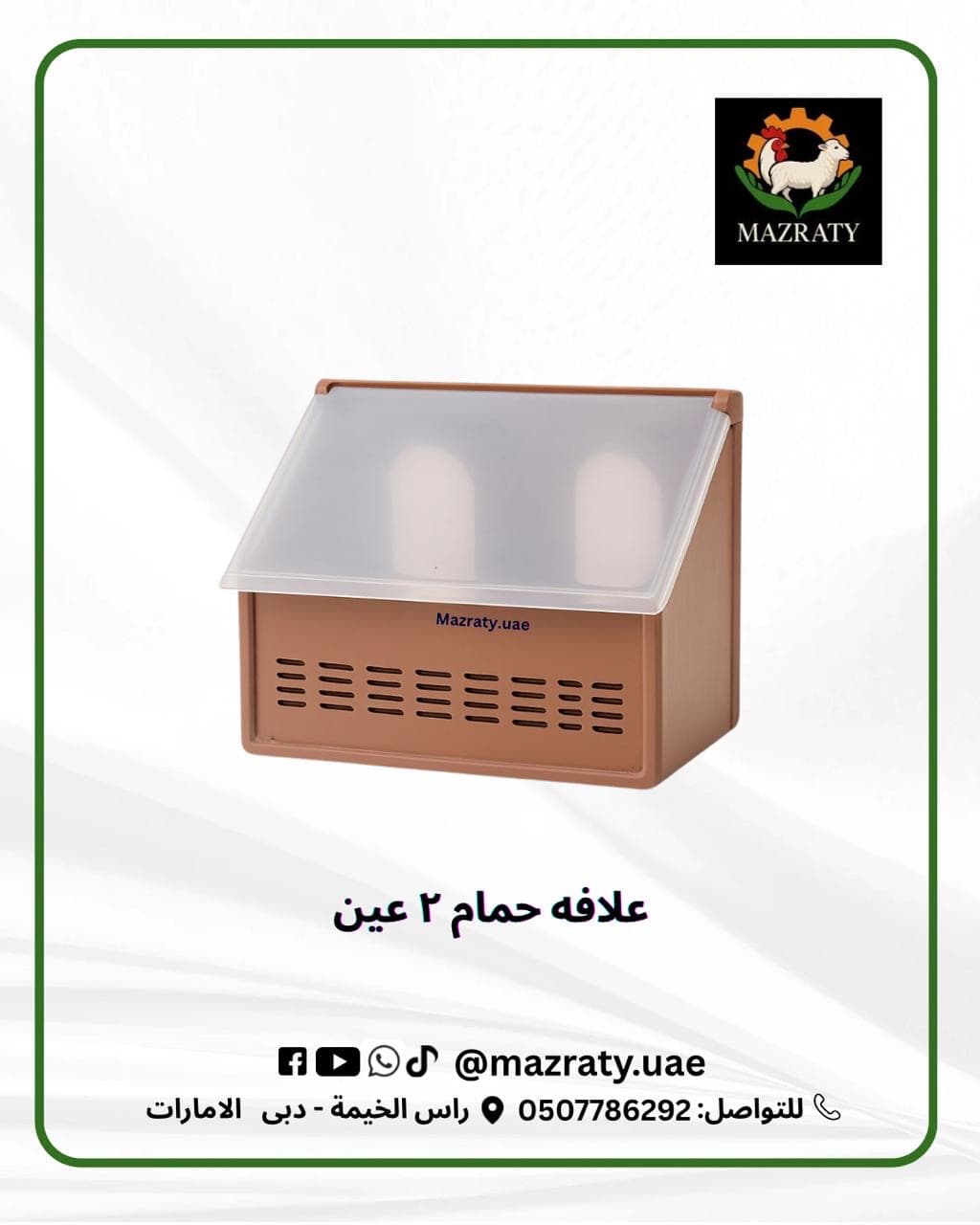
Compare automatic poultry feeders by bird age, stocking level, filling method, waste control, adjustment and cleaning access.
Why UAE Farms Need Automatic Poultry Feeders
The UAE poultry farming environment presents unique challenges that are largely absent in temperate climates. Summer temperatures regularly exceed 45°C, coastal humidity accelerates feed spoilage, and the cost of imported feed makes every gram of waste directly painful to your bottom line. On top of that, labour costs in the UAE are among the highest in the region, making manual feeding operations financially draining.
Field studies conducted across Gulf region poultry operations consistently show that manual feeding causes between 15% and 25% feed wastage compared to properly configured automatic feeder systems. For a mid-size farm of 5,000 birds, this translates to hundreds of kilograms of wasted feed every single month — feed that has already been purchased, transported, and stored at considerable expense.
- 15–25% reduction in total feed wastage versus manual feeding
- Improved feed conversion ratio across all production cycles
- Lower daily labour requirements and associated costs
- Consistent feeding schedules that support uniform flock growth
- Reduced flock stress from erratic human presence in the house
Types of Automatic Poultry Feeders: Which Is Right for Your Farm?
The UAE market offers three main categories of automatic poultry feeders, each with distinct advantages and ideal applications. Choosing the wrong type is a costly mistake, so understanding each system thoroughly is essential before committing your budget.
Pan Feeder Systems
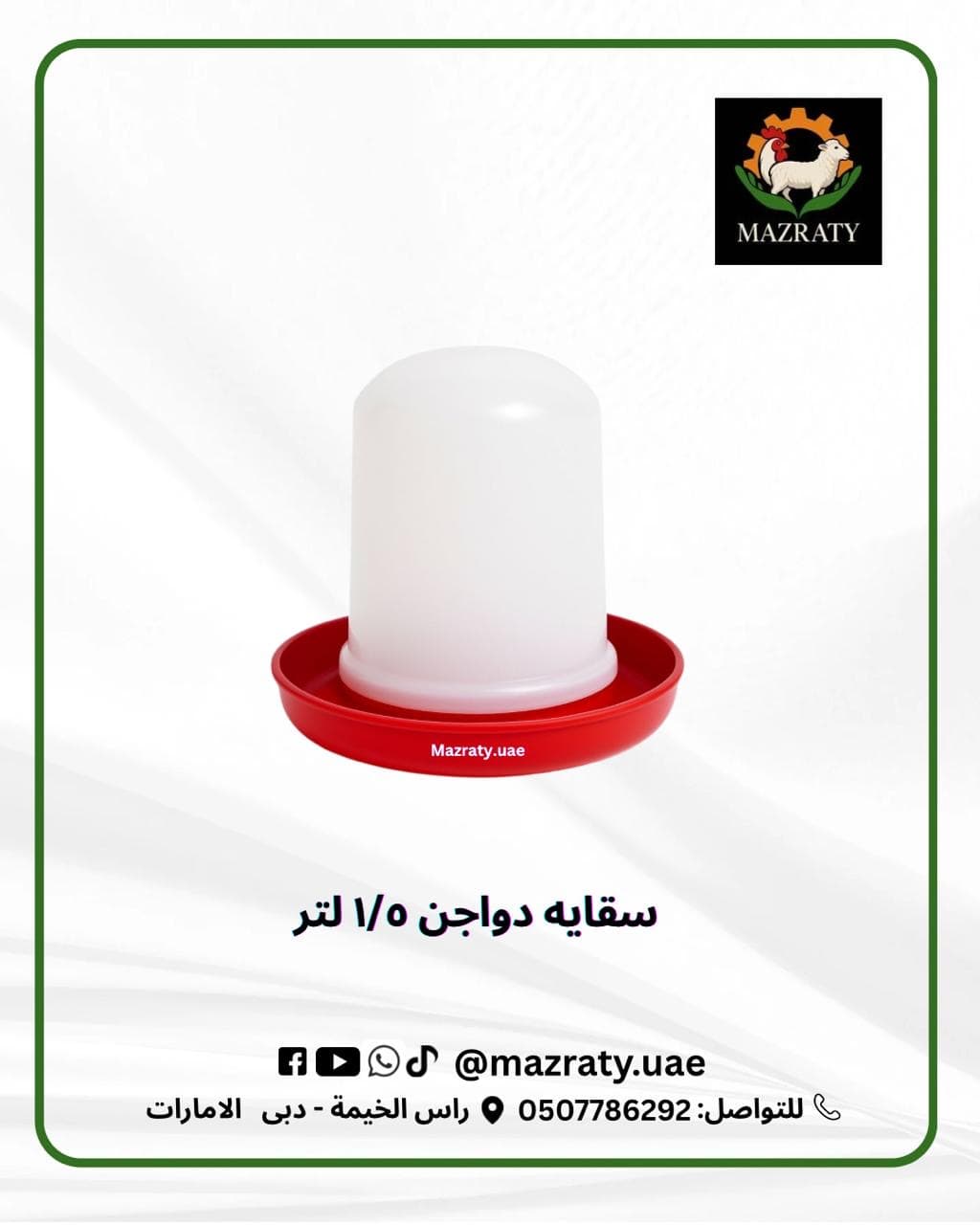
Pan feeders are the most widely used automatic feeding system for broiler farms across the UAE and the broader GCC region. They operate on a straightforward principle: a central pipe or tube distributes feed into circular hanging pans at adjustable heights. Birds feed from the pans, and the system automatically replenishes them from a central hopper as feed levels drop.
- Capacity per pan: One pan serves 40–60 birds depending on age and body size
- Height adjustment: Pans must be raised progressively as birds grow to minimise feed waste and faecal contamination
- Maintenance: Easy to disassemble and clean — critical given UAE summer conditions
- Cost range: Approximately AED 15–35 per pan unit depending on quality and origin
A key advantage of quality pan feeders is adjustable feed depth — restricting the amount of feed sitting in the pan at any time reduces scratching and billing waste, where birds flick feed out of the pan. In UAE summer heat, keeping lower feed volumes in pans also ensures faster turnover and prevents fat oxidation, a serious issue discussed in detail below.
Chain Feeder Systems
Chain feeders have long been the workhorse of large-scale laying hen operations. They operate by running a chain through a trough that stretches the full length of the house, continuously conveying feed from the hopper to every point along the run.
- Scale: Best suited for flocks of 10,000 birds or more in long-house configurations
- Distribution: Ensures all birds have equal access to feed regardless of flock hierarchy
- Maintenance needs: Chain, drive gears, and trough require regular inspection and cleaning
- UAE consideration: More frequent cleaning is needed during summer to prevent feed residue from becoming a bacterial and mould hazard
Chain feeders require a higher upfront investment but deliver excellent results in fully enclosed, air-conditioned houses. In the semi-open housing configurations still common in some UAE regions, pan feeders often prove more practical and easier to maintain.
Auger (Spiral) Feeder Systems
Auger feeding systems represent the most technologically advanced option in automatic poultry feeder design. A rotating spiral screw inside a sealed tube moves feed from large bulk storage silos to distribution points throughout the house with precision and minimal waste.
- Precision: Delivers measured feed quantities with high accuracy
- Efficiency: Minimises dust, spillage, and oxidation losses
- Programmability: Can be set for multiple small feeding sessions throughout the day
- Integration: Compatible with modern farm management software and environmental control systems
For larger UAE farms looking to automate fully, combining an auger delivery system with pan feeders at bird level creates one of the most efficient and lowest-waste feeding configurations available.
Feeder Height Adjustment by Bird Age: A Practical Guide
One of the most common and costly mistakes observed on UAE poultry farms is failure to adjust feeder height as birds grow. This single oversight creates daily cumulative waste that can amount to thousands of dirhams across a single production cycle.
Broiler Chickens: Height Adjustment Schedule
- Days 1–7 (Week 1): Feeders at floor level or raised just 2–3 cm. Use supplemental chick paper or shallow trays for first 3 days to encourage feeding
- Days 8–14 (Week 2): Raise pans to 5–8 cm. Pan rim should be level with the back of day-old chicks when raised this way
- Days 15–28 (Weeks 3–4): Progressive raising to 10–15 cm. Birds should be able to reach feed comfortably without straining downward
- Day 29 to slaughter: Pan height between 20–30 cm. The golden rule: pan rim at back height of the average bird in the flock
Getting this right has a measurable impact. Research consistently shows that correct feeder height reduces feed wastage from scratching and billing by 8–12% on its own — before any other efficiency improvement.
Laying Hens: Specific Considerations
Laying flocks require longer-lasting feeder configurations and slightly more linear feeder space per bird. Allow 3–4 cm of feeder space per adult laying hen in trough-style systems, and maintain pan rim height at back height of the birds throughout all production phases. Overcrowding at feeders is a common cause of production drops in laying flocks that is easily prevented with proper feeder placement.
UAE Summer Heat and Feed Refresh Frequency: Critical Guidance
This is perhaps the most important UAE-specific consideration when designing or operating any automatic poultry feeding system. The extreme summer temperatures that characterise the UAE climate have a direct and damaging effect on feed quality inside feeders — a fact that many farm operators underestimate until they see its impact on flock performance.
Fat Oxidation: The Silent Profit Killer
Commercial poultry feed typically contains between 3% and 7% fat depending on formulation. At high temperatures, these fats begin to oxidise and go rancid within just a few hours. Rancid feed does not merely lose nutritional value — it contains harmful free radicals and aldehydes that suppress feed intake, damage the gut lining, and reduce growth rates and egg production measurably.
- Winter (20–30°C): Feed in pans can remain fresh for up to 8–12 hours
- Spring and autumn (30–38°C): Refresh feed every 4–6 hours; reduce pan fill levels accordingly
- Peak summer (38–45°C and above): Refresh feed every 2–3 hours in non-air-conditioned environments; lower individual pan fill volumes significantly
Modern automatic poultry feeders solve this problem elegantly by allowing programmable micro-feeding sessions — small precise quantities delivered frequently throughout the day — rather than large dumps of feed that sit in pans for hours. Paired with the right timing controls, this alone can recover much of the investment in the system.
Additional Summer Management Tips for UAE Farms
- Schedule primary feeding sessions during pre-dawn hours and after sunset when temperatures are lowest
- Insulate or shade external feed hoppers and silos to reduce heat transmission into stored feed
- Clean feeders daily during summer months to prevent accumulation of moist, rancid residue
- Discuss antioxidant supplementation options with your veterinarian for extreme summer periods
- Monitor feed intake daily — a sudden drop in consumption is often the first indicator of feed quality problems
Not sure what refresh schedule and feeder configuration is right for your specific housing and flock type? The team at Mazraty has over 20 years of on-the-ground UAE experience and can advise you directly. Reach us on WhatsApp at +971 50 535 3412 for a free consultation.
Feed Capacity Planning for UAE Poultry Farms
Choosing the right storage and feeder capacity is a balancing act unique to the UAE climate. Bigger is not always better when it comes to hopper size — excessively large hoppers mean feed sits for longer periods at high ambient temperatures, increasing oxidation risk. Here are the key daily consumption figures to guide your planning:
- Broiler chickens (growing phase): Approximately 120–150 g per bird per day
- Laying hens (peak production): Approximately 100–120 g per bird per day
- Quail: Approximately 20–25 g per bird per day
- Pigeons: Approximately 30–40 g per bird per day depending on activity level
The Mazraty recommendation for UAE farms: choose a system with medium-capacity hoppers and schedule refilling two to three times daily during summer rather than relying on oversized hoppers that sit full in the heat. This simple practice can substantially extend the effective shelf life of feed at bird level and improve feed acceptance.
Manual vs Automatic Feeding: A Real Cost Comparison for UAE Farms
Before committing to an investment in automatic poultry feeders, it is worth putting real numbers against both options. This comparison is based on a mid-size UAE farm with 3,000 broiler birds:
True Cost of Manual Feeding
- Minimum one dedicated feeding labourer at AED 1,500–2,500 per month
- 15–25% daily feed wastage from improper distribution and bird behaviour
- Inconsistent feeding times causing growth variation and reduced uniformity
- Higher contamination risk from floor feeding and unclean manual equipment
- Increased flock stress from frequent and unpredictable human movement
Returns from Automatic Feeder Investment
- Investment typically recovered within 6–18 months depending on farm scale
- 15–25% reduction in monthly feed expenditure
- 5–10% improvement in feed conversion ratio in well-managed flocks
- Reduced mortality linked to malnutrition and uneven feed access
- Significant reduction in daily management time and owner stress
Ready to see what the numbers look like for your specific farm? Contact Mazraty on WhatsApp at +971 50 535 3412 and our team will walk you through an honest return-on-investment calculation based on your actual flock size and current feed costs.
Quality Standards to Check When Buying Automatic Feeders in UAE
Not all automatic poultry feeders sold in the UAE market are built to the same standard. The UAE's demanding climate conditions — extreme heat, high humidity in coastal areas, and abrasive sand — mean that build quality matters far more than it would in a temperate market.
Materials and Construction
- Plastics: Must be UV-stabilised and heat-rated to withstand continuous exposure to 50°C and above without warping, cracking, or leaching harmful compounds into feed
- Metals: Food-grade stainless steel or treated aluminium is strongly preferred in coastal UAE regions where salt air accelerates corrosion of lower-grade metals
- Drive motors: In powered systems, verify motors are rated for continuous operation at ambient temperatures above 50°C — standard motors can fail prematurely in UAE summer conditions
Ease of Cleaning and Maintenance
In the UAE climate, regular feeder cleaning is not optional — it is a biosecurity necessity. Select systems that can be fully disassembled without specialist tools, with smooth internal surfaces that do not trap feed residue, and with proper drainage to prevent moisture accumulation. Systems that look harder to clean will be cleaned less often, which leads to disease problems that cost far more than the price difference between feeder models.
Adjustability and Longevity
Quality automatic feeders should allow easy height adjustment as birds grow, have replaceable wear parts available locally or from the supplier, and carry a meaningful warranty. Always ask about parts availability in the UAE specifically — some imported systems have excellent build quality but practically no local spare parts support, which means a single component failure can shut down your feeding system for weeks.
Installation and Maintenance: What UAE Farm Owners Need to Know
Buying the right automatic feeding system is only the first step. Correct installation and consistent maintenance are what ensure the system delivers its promised efficiency gains over its full operating life.
Installation Requirements
- Verify house structure can support the weight of fully loaded hoppers before installation
- Design the suspension system to allow easy height adjustment without shutting down the line
- Space distribution points to ensure all birds in the flock have equal and unimpeded access
- For powered systems, ensure all electrical connections are moisture-rated and properly earthed
Recommended Maintenance Schedule
- Daily: Check hopper fill levels, inspect pan or trough condition, verify motors are running correctly
- Weekly: Clean pans and troughs, inspect pipe connections and suspension components
- Monthly: Full inspection of motors and electrical components, lubricate all moving parts per manufacturer guidelines
- Between flocks: Full disassembly, deep clean, disinfection, and drying before introduction of new birds
Mazraty provides installation support and after-sales technical assistance for all feeder systems we supply. We understand that a breakdown in your feeding system on a hot August afternoon in Ras Al Khaimah is a genuine emergency — which is why we maintain spare parts stock and offer responsive support. Call or WhatsApp us at +971 50 535 3412 and our team will be with you.
Reviewed planning sources
These references support operating and welfare principles. Final design and health programs remain site-, strain-, authority- and veterinarian-specific.
Frequently Asked Questions About Automatic Poultry Feeders in UAE
What is the best type of automatic feeder for a UAE broiler farm?
Pan feeders are generally the best fit for UAE broiler farms, particularly in enclosed, air-conditioned houses. They offer the flexibility needed to adjust height with bird growth, are straightforward to clean in summer conditions, and deliver reliable performance across the full production cycle. For larger farms exceeding 10,000 birds, a combination of an auger delivery system feeding into pan distribution points provides maximum automation and feed efficiency.
How often should I refresh feed in the pans during UAE summer?
During peak UAE summer with ambient temperatures above 40°C, feed should be refreshed every 2–3 hours in non-air-conditioned environments to prevent fat oxidation. In air-conditioned houses maintained below 30°C, refresh intervals of 4–6 hours are generally acceptable. The goal is to prevent the rancidity that develops rapidly when feed fats oxidise at high temperatures, as rancid feed reduces intake and impairs flock performance significantly.
What does a complete automatic feeder system cost for a 5,000-bird house in UAE?
Costs vary considerably by system type and quality. A complete pan feeder system for a 5,000-bird broiler house typically ranges from AED 3,000 to AED 8,000. A full chain feeder system for the same capacity runs AED 5,000 to AED 15,000. A fully integrated auger system can range from AED 15,000 to AED 30,000 or more depending on level of automation and control features. For an accurate quote matched to your specific house dimensions and requirements, contact Mazraty on WhatsApp at +971 50 535 3412.
Can automatic feeders be used for quail and small birds?
Yes, there are automatic feeder systems specifically designed for quail and other small poultry. The key differences from broiler or layer feeders are the smaller feed opening size and shallower pan depth to prevent birds from entering the pan and contaminating the feed. Mazraty stocks feeder solutions suitable for quail, pigeons, and other small-flock birds alongside our larger commercial systems.
How long does it take to recover the investment in automatic poultry feeders in UAE?
Given the UAE's relatively high feed costs, labour costs, and the significant gains from reduced wastage in hot-climate conditions, most UAE farm operators recover their investment in automatic poultry feeders within 6 to 18 months of installation. The larger the flock, the faster the payback period tends to be. For farms above 10,000 birds, recovery within a single production cycle is entirely realistic when both feed savings and labour cost reductions are counted together.
Why Choose Mazraty for Your Automatic Poultry Feeder Needs?
Mazraty in Ras Al Khaimah has been the trusted partner for UAE poultry and farm equipment needs for over 20 years. We do not simply sell equipment — we provide complete solutions including needs assessment, correct product selection, professional installation guidance, and ongoing technical support. Our team understands the specific challenges of farming in the UAE climate because we have been operating in it for two decades.
- Free delivery to all UAE emirates
- Expert team with deep knowledge of UAE poultry farming conditions
- After-sales warranty support and local spare parts availability
- Free consultation to identify the right system for your farm
Do not let UAE summer heat continue to erode your feed margins through oxidation, waste, and inconsistent manual feeding. Invest in a properly specified automatic poultry feeder system and start recovering those losses from day one of installation. Contact the Mazraty team now on WhatsApp at +971 50 535 3412 — we will be happy to assess your farm's needs and recommend the most cost-effective solution for your operation.